
ERBIL, Kurdistan Region - The United States defense bill for the upcoming fiscal year includes a provision repealing the Caesar Act sanctions on Syria, the document seen by Rudaw showed on Monday, as Syrian state media reports the provision is unamendable.
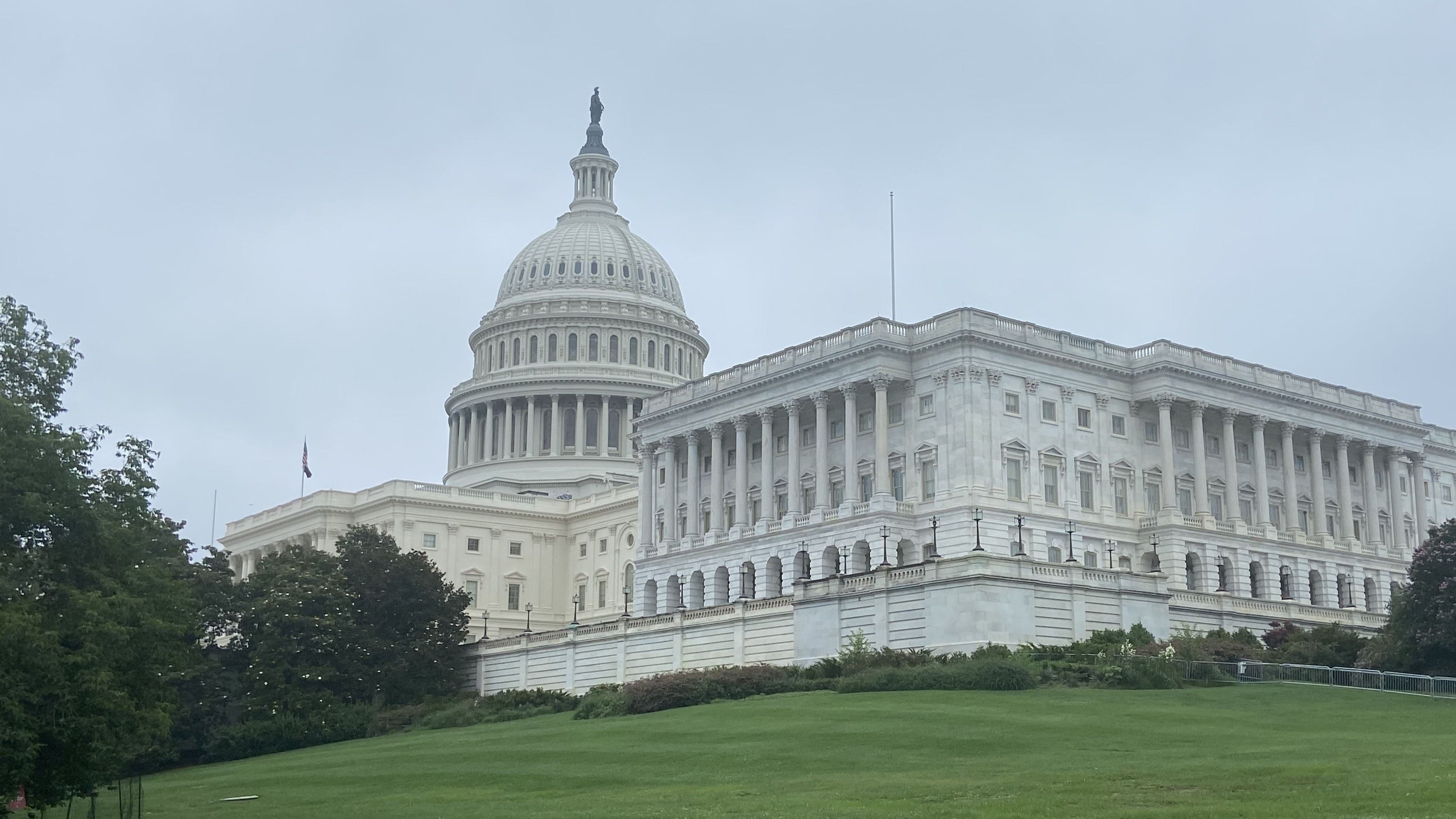
The National Defense Authorization Act (NDAA) published by Congress contains “Sec. 6211. Repeal of Caesar Syria Civilian Protection Act of 2019,” which formally terminates the sanctions, affirming the Act "is hereby repealed."
Earlier on Monday, the state-run Syrian Arab News Agency (SANA) cited Mohammed Alaa Ghanem, a member of the Syrian American Council (SAC), as stating the repeal clause “has been finalized” and has been approved by both the Senate and House.
“No amendments can be made to this clause,” Ghanem added, describing the repeal as a “long and fierce battle” that has now been “decisively settled.”
The Caesar Syria Civilian Protection Act of 2019, or Caesar Act, sanctions the former Syrian government, including ousted dictator Bashar al-Assad, for war crimes against civilians. Signed into law in December 2019, its provisions came into effect on June 17, 2020, with the first round of designations under the Act.
According to Ghanem, the repeal guarantees full removal of the Act before year-end and eliminates any mechanism for its automatic reinstatement. The term “conditions” was removed from the text and replaced with a congressional “expression of hope” that the Syrian government will address issues, including Captagon trafficking and implement the March 10 Agreement to integrate the Kurdish-led Syrian Democratic Forces (SDF).
The earliest vote on the NDAA is expected on Thursday, the Syrian political campaigner said, noting, after which the budget will be sent to President Donald Trump for signature before Christmas.
The development comes after the US Treasury Department had in early November announced a 180-day suspension of the Caesar Act sanctions, with exceptions for certain transactions involving Russia and Iran. The Treasury described this as part of Trump’s plan to give Syria “a chance at greatness.”
The suspension notably coincided with a meeting between Trump and Syrian interim President Ahmed al-Sharaa at the White House - the first visit by a Syrian leader in 80 years.
Since seizing power from Assad in December last year and being appointed interim president in late January, Sharaa has sought to restore international ties and lift sanctions, particularly US sanctions.
In May, Trump announced plans to lift broad, economy-wide sanctions on Syria. The Treasury’s Office of Foreign Assets Control (OFAC) issued General License 25, authorizing previously prohibited transactions, while the State Department issued a 180-day waiver for certain Caesar Act sanctions.
In late June, Trump signed an executive order revoking six prior orders that formed the sanctions framework, effective July 1. Accordingly, OFAC removed 518 individuals and entities, including the Central Bank of Syria, from the Specially Designated Nationals (SDN) List.
Nonetheless, targeted sanctions remain in place against Assad, his associates, individuals involved in drug trafficking, human rights abuses, and Iranian-backed actors. Syria’s designation by the US as a State Sponsor of Terrorism also remains, maintaining certain export controls and aid restrictions.