


By Dilxwaz Pahlawi
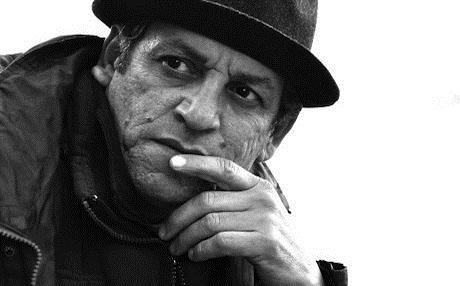
ERBIL, Kurdistan Region – Kurdish clothes are inspired by the diverse natural environment of the Kurds and influenced by their modest traditional lifestyles, says Hekmet Daoud, a designer from the Syrian Kurdish city of Qamishli whose creations regularly feature on Arab soap operas.
"Clothes are not only a social and moral necessity; clothes are a cultural mirror and a humanitarian necessity," Daoud said in an interview with Rudaw.
"The Kurds live on a diverse and wide geographical region that has a colorful nature. This has contributed to making Kurdish attire beautiful and colorful – they are the beauty and colors derived from nature," Daoud says.
"The modesty of the Kurdish costumes reflects the modest lives of the Kurdish men and women,” he adds, noting that Kurds can recognize each other’s geographical and regional origins by the clothes they wear.
With his unique designs, Daoud succeeded in introducing the Kurdish culture of Qamishli to Damascus fashion houses, and from there to a wider audience through Arab soap operas.
The 67-year-old Kurdish couturier has designed costumes for many Arab drama series, including Bab al-Hara. He has received many national and international awards for his presentations.
"Kurdish costumes reflect their connection to nature -- colors, values and God,” he says, noting that the common use of wool in Kurdish male attire is because “working as a shepherd is a unique feature of Kurdish society.
“This profession has led the Kurdish men to use wool in their costumes and adopt it as a part of their own culture.”
He adds that religious beliefs also play a part in fashion, noting that clothes worn by members of the Yezidi sect have their own unique identity.
“For example, the number of knots in their belts show one's nearness to God,” Daoud says, adding that on television “I use costumes as an artistic value to draw the viewers closer to the characters in the dramas."
Daoud says that, "Damascus has seen many civilizations, and this is reflected in the attire of the people. Many of those who worked as weavers, tailors, and tanners were Kurds. So, it is little surprise that we see similarities with Kurdish costumes.”
Comments
Rudaw moderates all comments submitted on our website. We welcome comments which are relevant to the article and encourage further discussion about the issues that matter to you. We also welcome constructive criticism about Rudaw.
To be approved for publication, however, your comments must meet our community guidelines.
We will not tolerate the following: profanity, threats, personal attacks, vulgarity, abuse (such as sexism, racism, homophobia or xenophobia), or commercial or personal promotion.
Comments that do not meet our guidelines will be rejected. Comments are not edited – they are either approved or rejected.
Post a comment