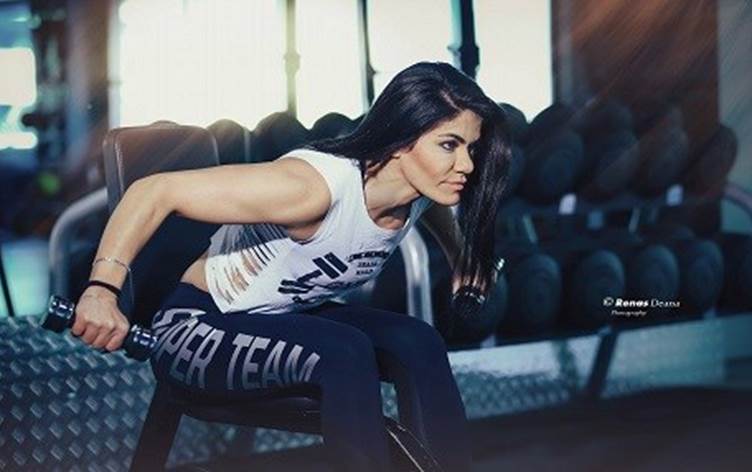


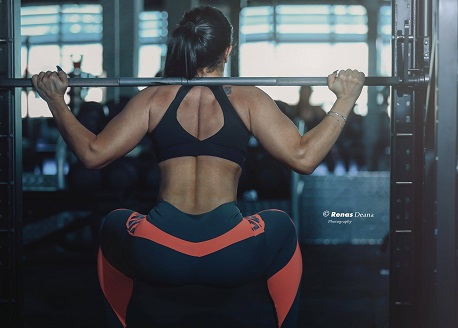
ERBIL, Kurdistan Region – Ziyan Yousif, a certified Zumba and Piloxing instructor and personal trainer living in Erbil, aims to be the first Kurdish female to compete in an international bodybuilding competition to be held in Sweden.
"I’m the first Kurdish woman because nobody has done this before. Ten countries will be involved in competition. I will have my Kurdish flag with me but because Kurdistan is not allowed for women to compete, so I’ll have to use my Swedish passport to enter,” the 35-year-old told Rudaw English.
Yousif describes herself as a Kurdish lady, but with Swedish nationality. Her family is from Duhok. She was born in Iran and returned to Kurdistan at age 8. The fitness guru decided to move to Sweden in her early 20s and has lived there for 10 years.
Life hasn’t always been so easy, she says. On a visit home one year, her friend commented on how big she had become which opened her eyes to how unhealthy she was.
"I’m the first Kurdish woman because nobody has done this before. Ten countries will be involved in competition. I will have my Kurdish flag with me but because Kurdistan is not allowed for women to compete, so I’ll have to use my Swedish passport to enter,” the 35-year-old told Rudaw English.
Yousif describes herself as a Kurdish lady, but with Swedish nationality. Her family is from Duhok. She was born in Iran and returned to Kurdistan at age 8. The fitness guru decided to move to Sweden in her early 20s and has lived there for 10 years.
Life hasn’t always been so easy, she says. On a visit home one year, her friend commented on how big she had become which opened her eyes to how unhealthy she was.
Upon returning to Sweden, she told herself that she had to change her life so she joined a Zumba class to lose weight.
Zumba is aerobic fitness featuring movements inspired by various styles of Latin American dance that came popular in the 1990s.
“I love Zumba because it changed my life, so I decided to become a Zumba instructor,” she said.
Zumba is aerobic fitness featuring movements inspired by various styles of Latin American dance that came popular in the 1990s.
“I love Zumba because it changed my life, so I decided to become a Zumba instructor,” she said.
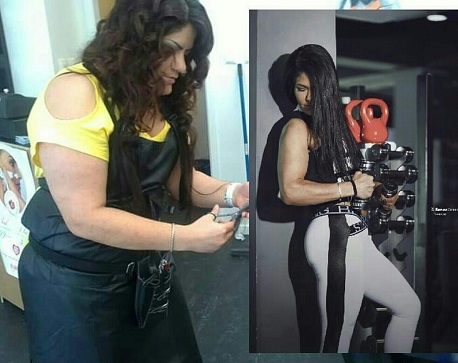
After practicing Zumba for months, Yousif went from 97 kilograms down to 67 kilograms.
She then received her certification to teach the Zumba professionally in September of 2012 in Sweden.
Yousif returned to Kurdistan in 2013 so that she could introduce the dance sport to women in the Kurdistan Region in hopes that they, too, could enjoy the sport and improve their health.
“When I came back, nobody knew about Zumba,” she said, “… everybody said it’s like a disco and women cannot participate because it’s not acceptable in our culture.”
Still, she opened a small studio in Erbil’s Massif area shortly after she returned, recalling only having a few students at first.
Yousif has since become certified to teach Piloxing, a sport that mixes boxing with Pilates and dance, as well as becoming a certified personal trainer for bodybuilding and teaches different classes daily at Esporta Fitness Center in Erbil.
“Now my classes have reached anywhere from 28 to 35 students so sometimes I have to turn people away,” she said. “I’m even eligible with my certifications now to open my own gym if I wanted to.”
Yousif mentioned that many women in Kurdistan depend on makeup, fake lashes or Botox fillers to try and look more beautiful, but she decided to do something different.
“I want Kurdish ladies here to know there is nothing to be ashamed of if you show your body, because you know you’re not doing anything wrong,” she said, adding that she’s faced harsh criticism from the Kurdish community for her fitness activities.
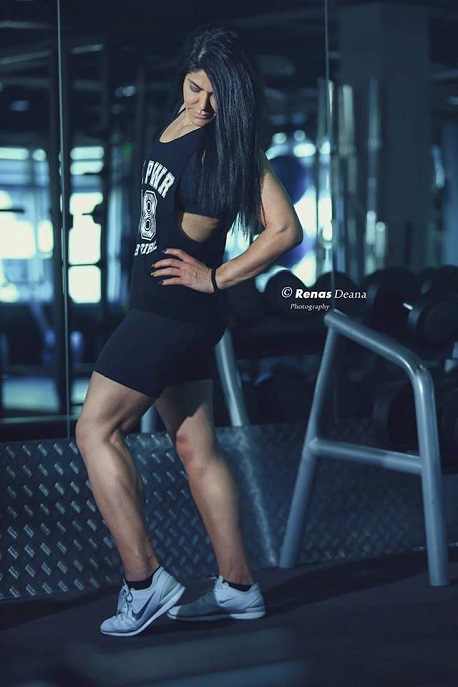
Yousif shares her workout and fitness photos on Facebook and Instagram to encourage a healthy lifestyle and fitness within her community.
“I don’t have any photos on my Instagram account that show my body, only in my workout clothes,” she explained. “But many people comment there, ‘She doesn’t have clothes on and she is showing us her body. It’s not good for ladies. It’s not good for my country.’ ”
Despite the public backlash, “I don’t listen to them because I want my dreams to come true,” she added.
She also had to sway her family’s minds.
“At first, my family told me that I cannot do this, put my pictures on Instagram. It’s not nice for our family,” she recalled. “But I explained to them, I’m not doing anything wrong. This is something for my health.”
Now, she says her family supports her work and her competing in the upcoming Swedish Bodybuilding & Fitness Federation bodybuilding competition.
When asked if she had any advice for Kurdish women regarding fitness and health, Yousif replied, “I want to tell them, don’t listen to people. Don’t listen to anyone. Speak with your family and explain that you are not doing anything wrong.”
“You can be nice; you can be beautiful with training, with your health, with your body, not only make-up.”
Yousif will travel to Sweden to begin her pre-contest training on September 24 which will last for several months. Once she arrives, a personal trainer will do a body check to see which division she will be eligible for. The competition will take place in Sweden on April 29 of next year.
“It’s my dream to compete, so I’m going to do it,” Yousif said — with her Kurdish flag in-hand.
Comments
Rudaw moderates all comments submitted on our website. We welcome comments which are relevant to the article and encourage further discussion about the issues that matter to you. We also welcome constructive criticism about Rudaw.
To be approved for publication, however, your comments must meet our community guidelines.
We will not tolerate the following: profanity, threats, personal attacks, vulgarity, abuse (such as sexism, racism, homophobia or xenophobia), or commercial or personal promotion.
Comments that do not meet our guidelines will be rejected. Comments are not edited – they are either approved or rejected.
Post a comment