

19 Photos
Photo Gallery
Kurdistan
International Workers’ Day: For cash-strapped Erbil laborers, the work doesn’t stop
It may be International Workers’ Day and the holy month of Ramadan, but for manual laborers in Erbil on Friday it was just another day.
Weeks under lockdown have hit their pockets hard. For Salah Sahir and his workmates, paid on a daily rate, it’s work or starve.
“Although we are always in danger, we continue to work, because we have no other choice but to do so,” Sahir, 27, told Rudaw on a local construction site.
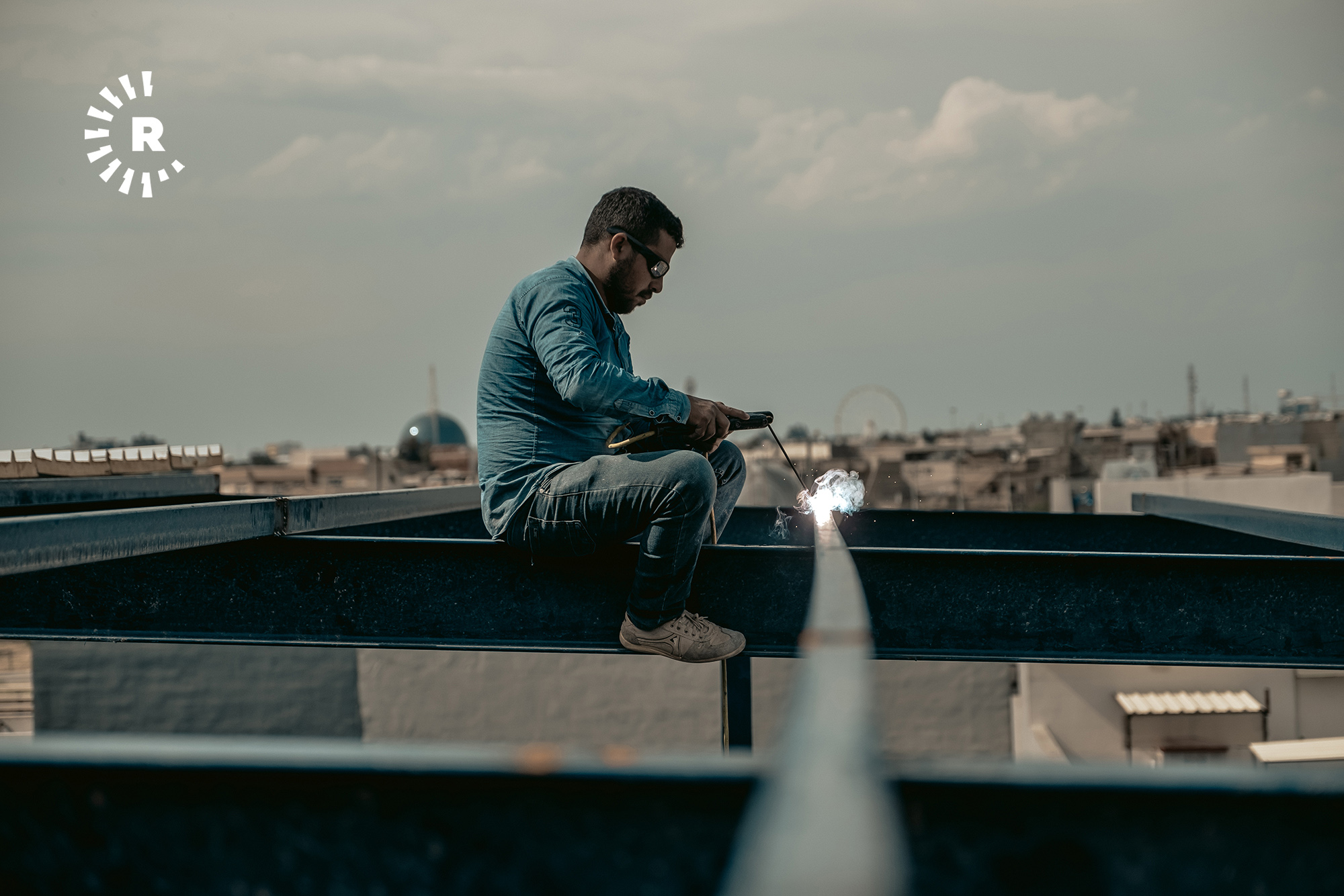
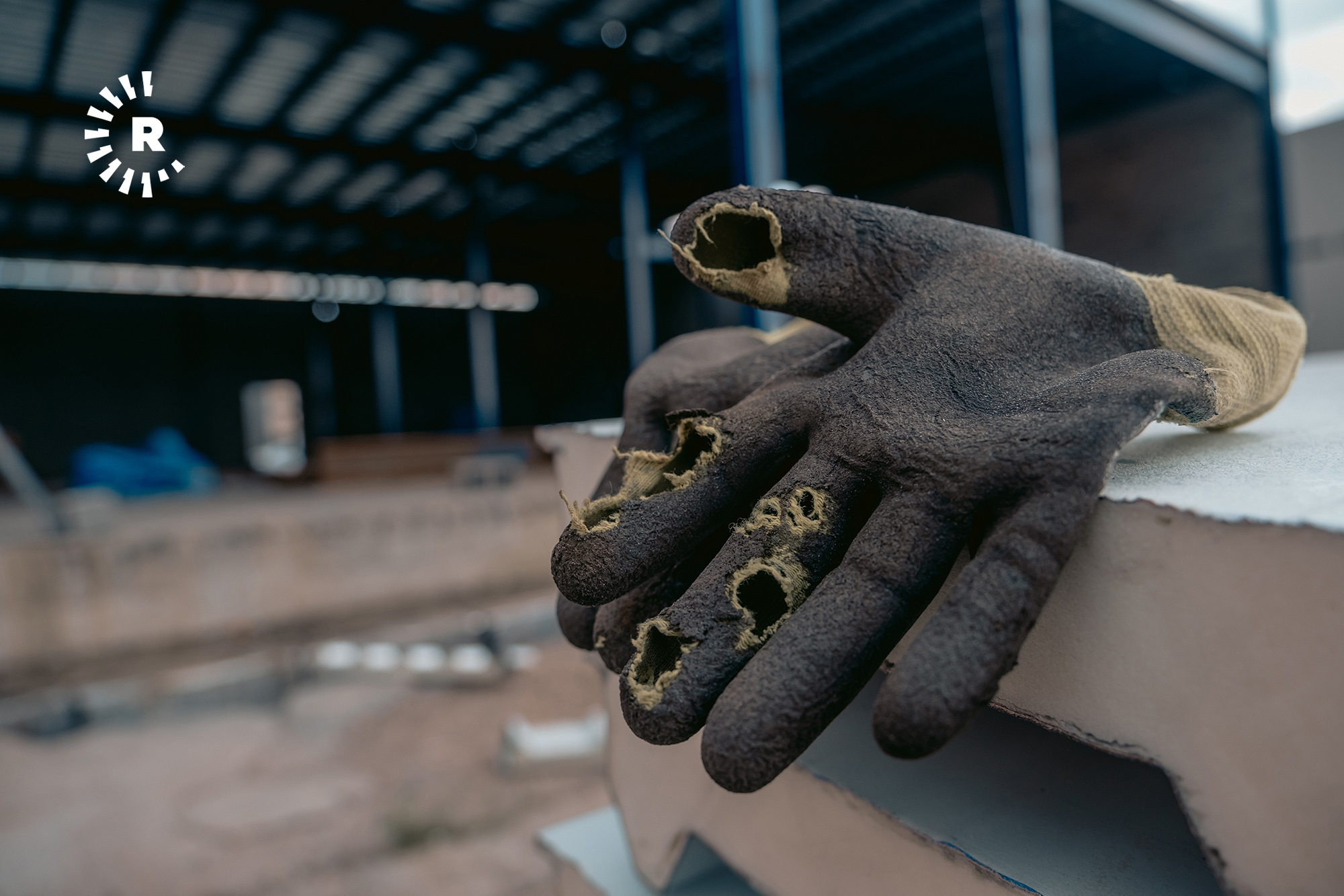
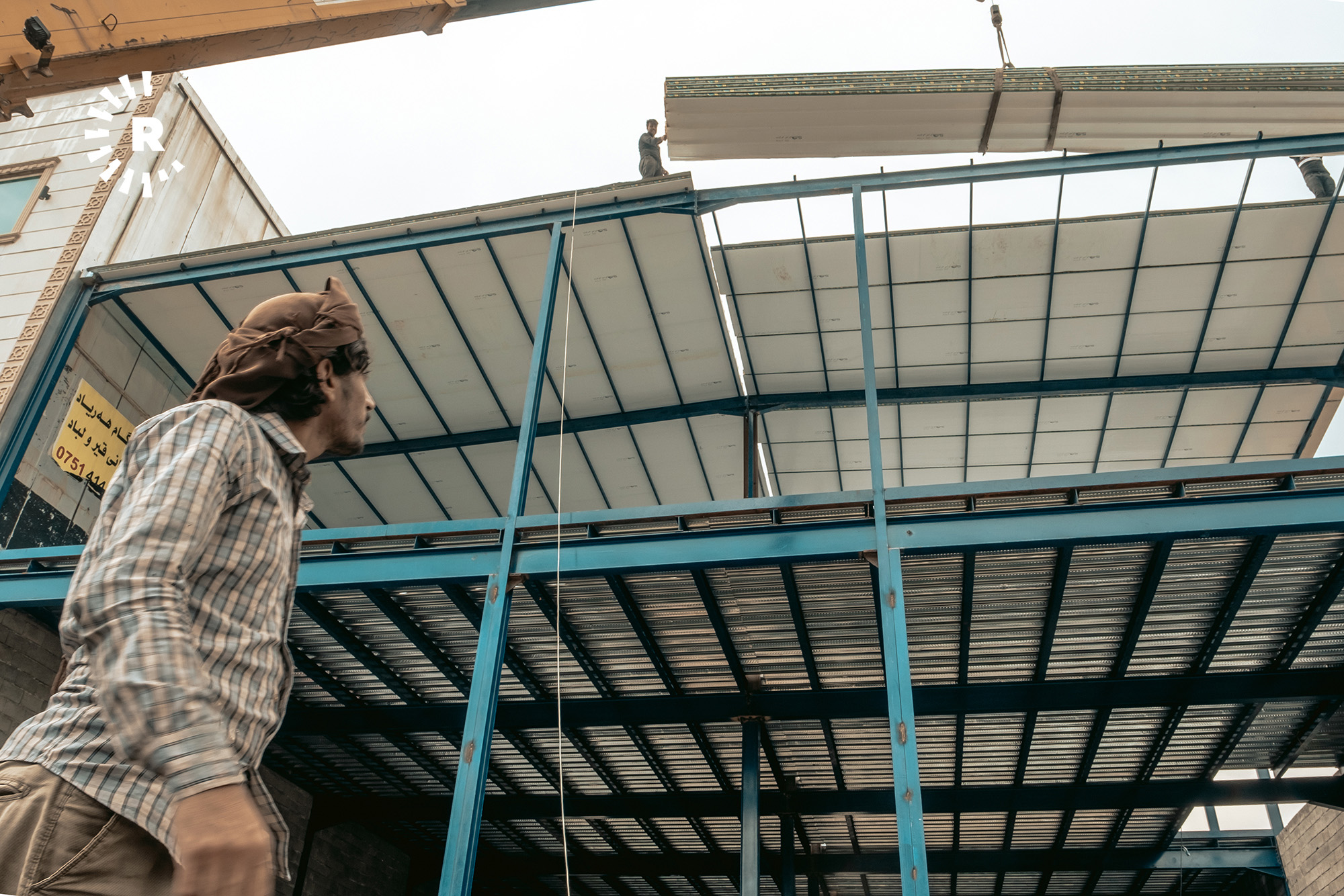
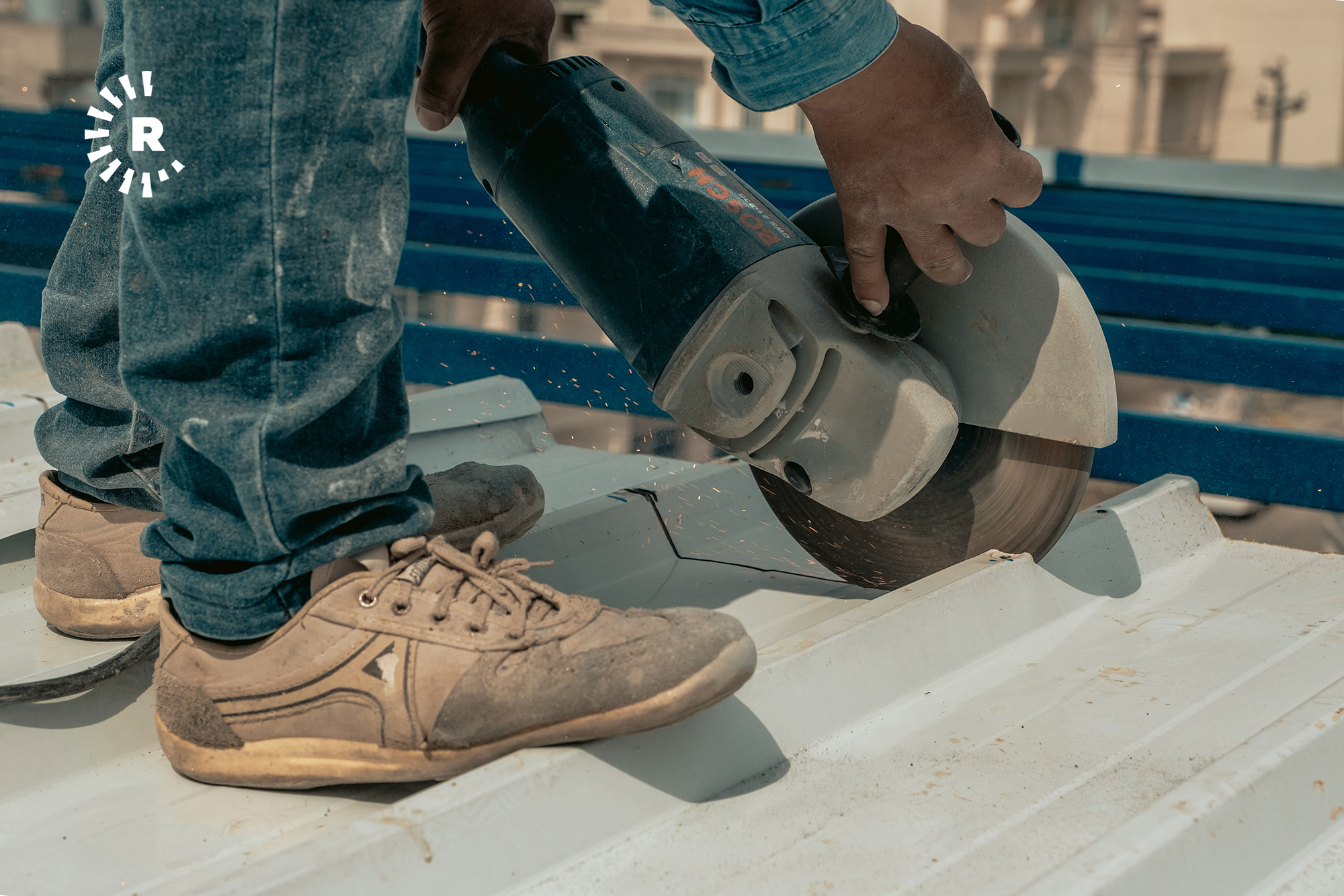
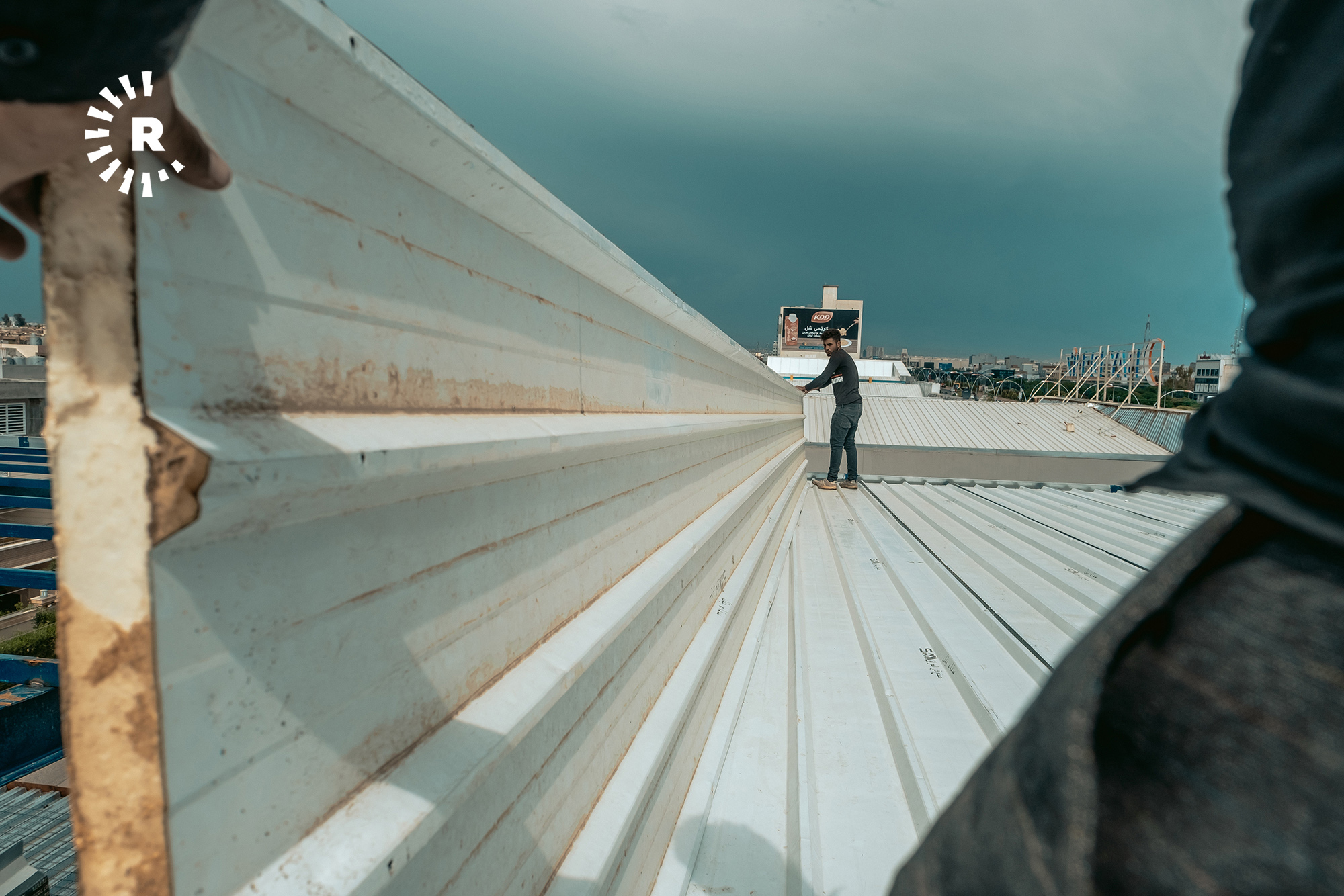
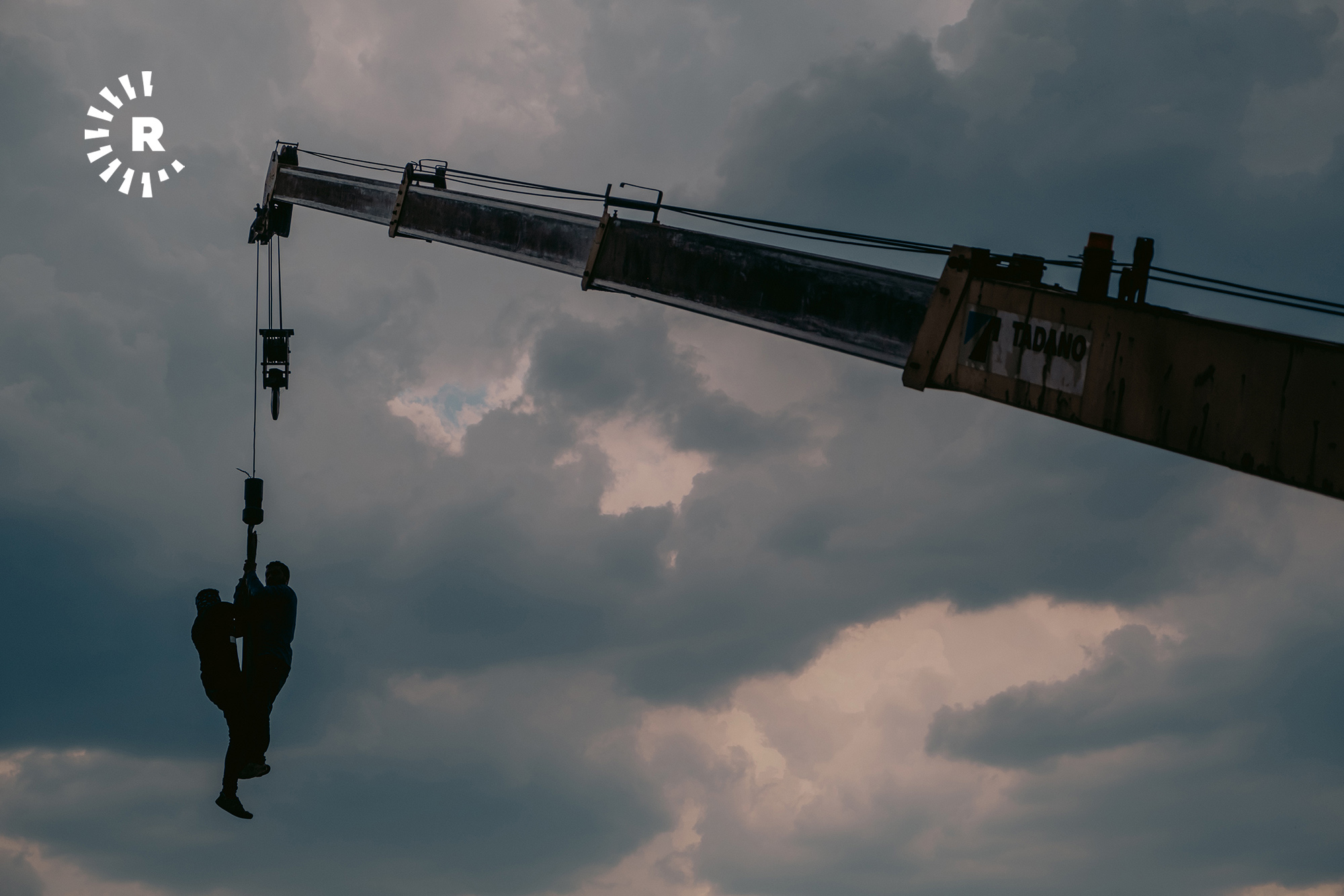
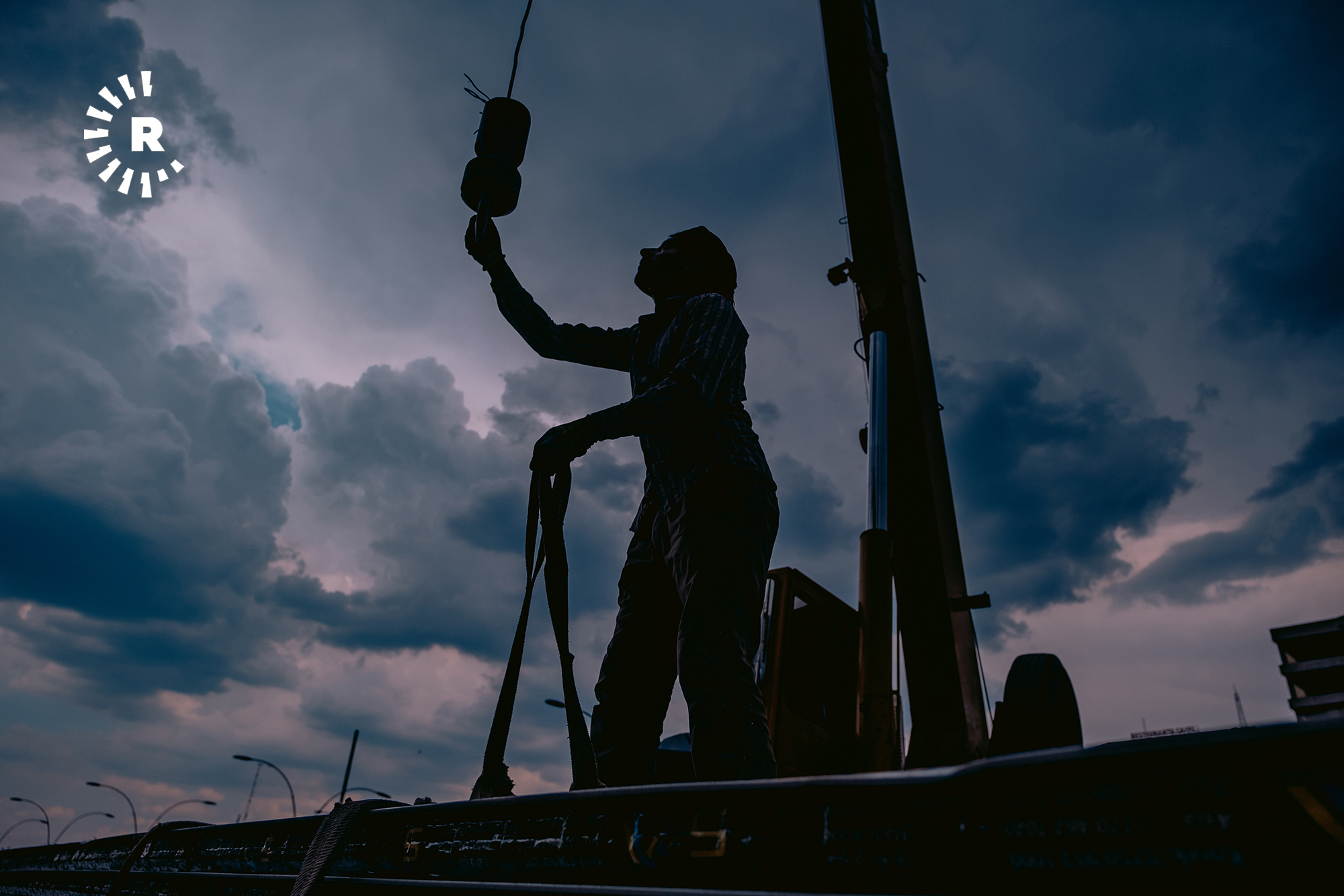
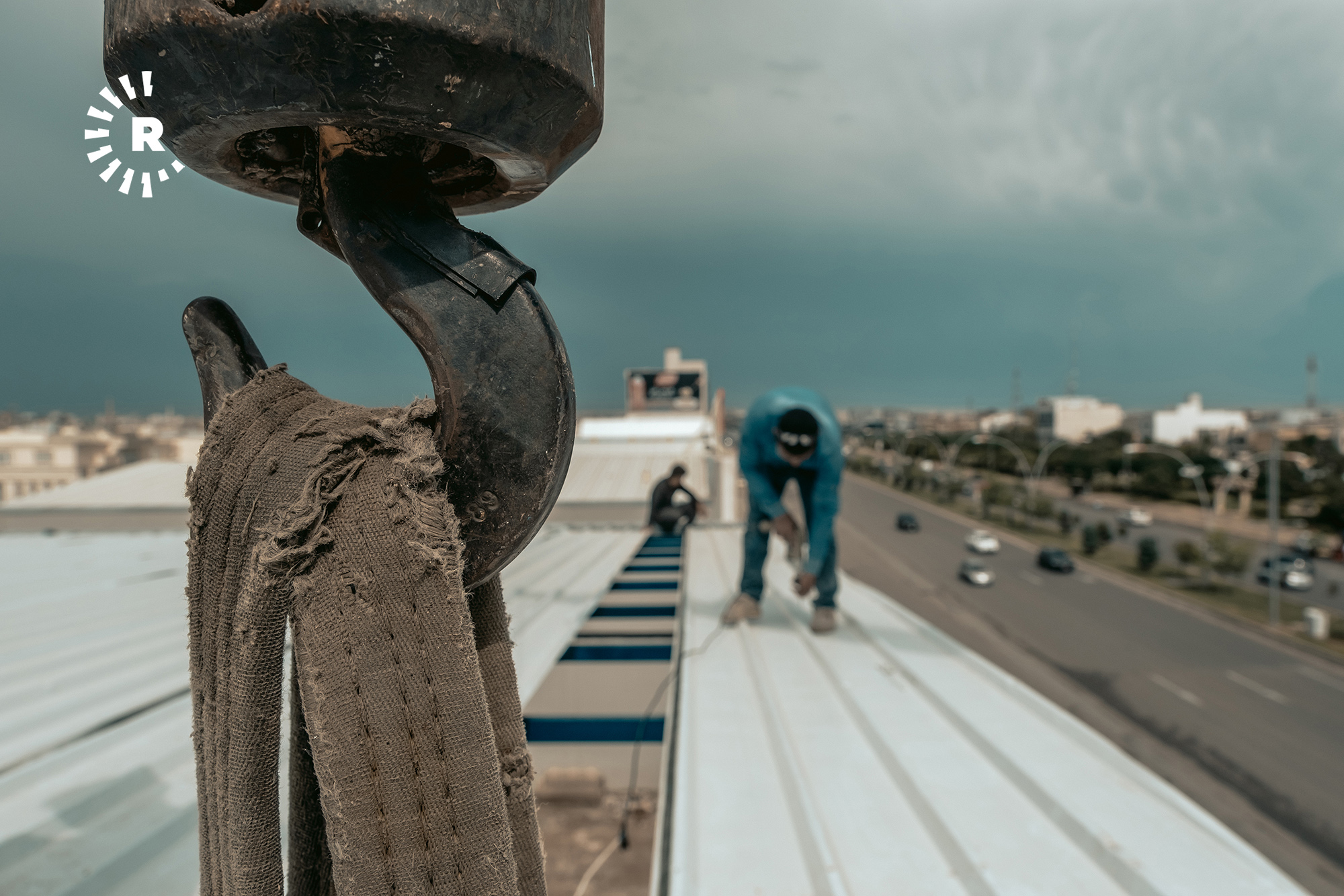
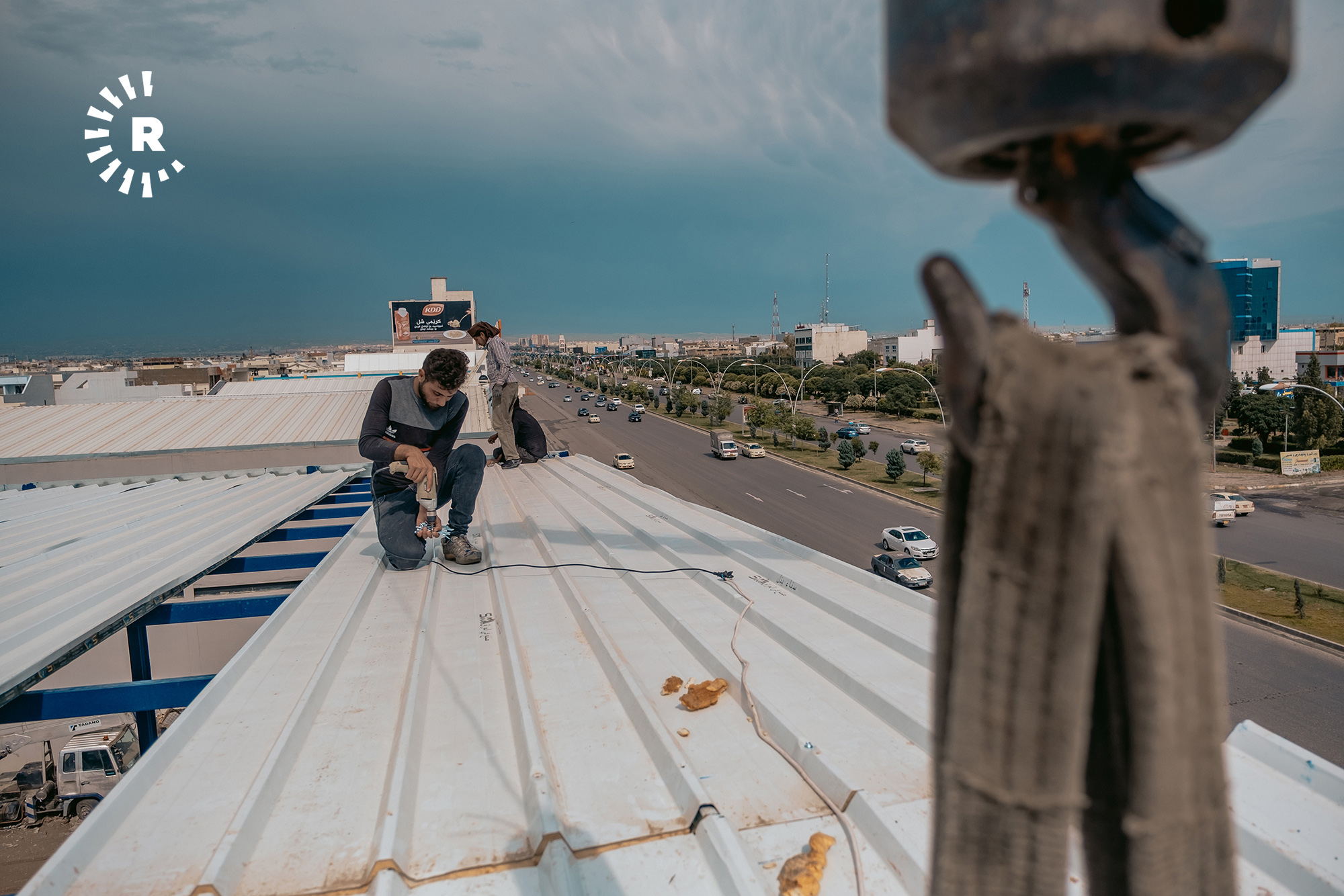
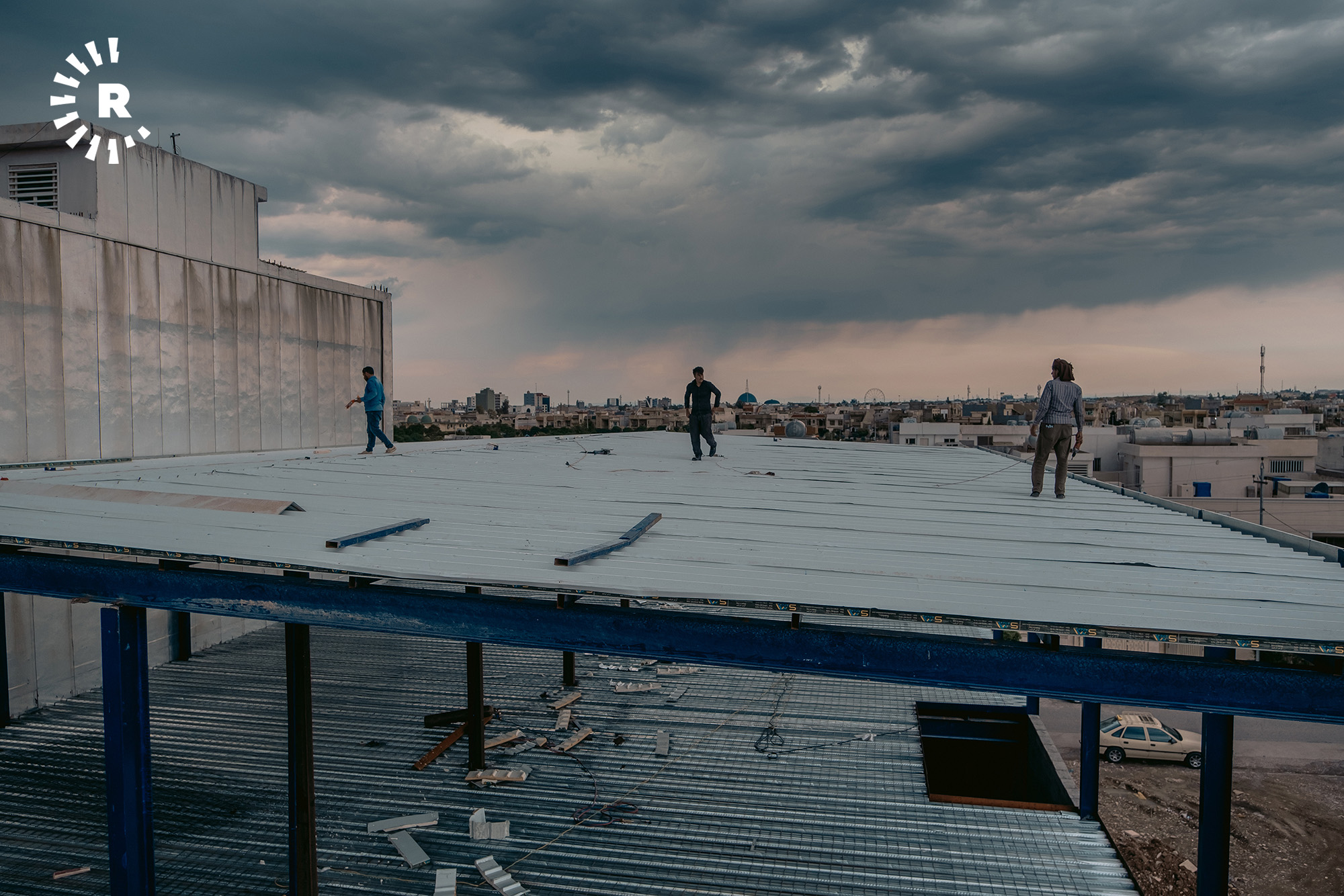
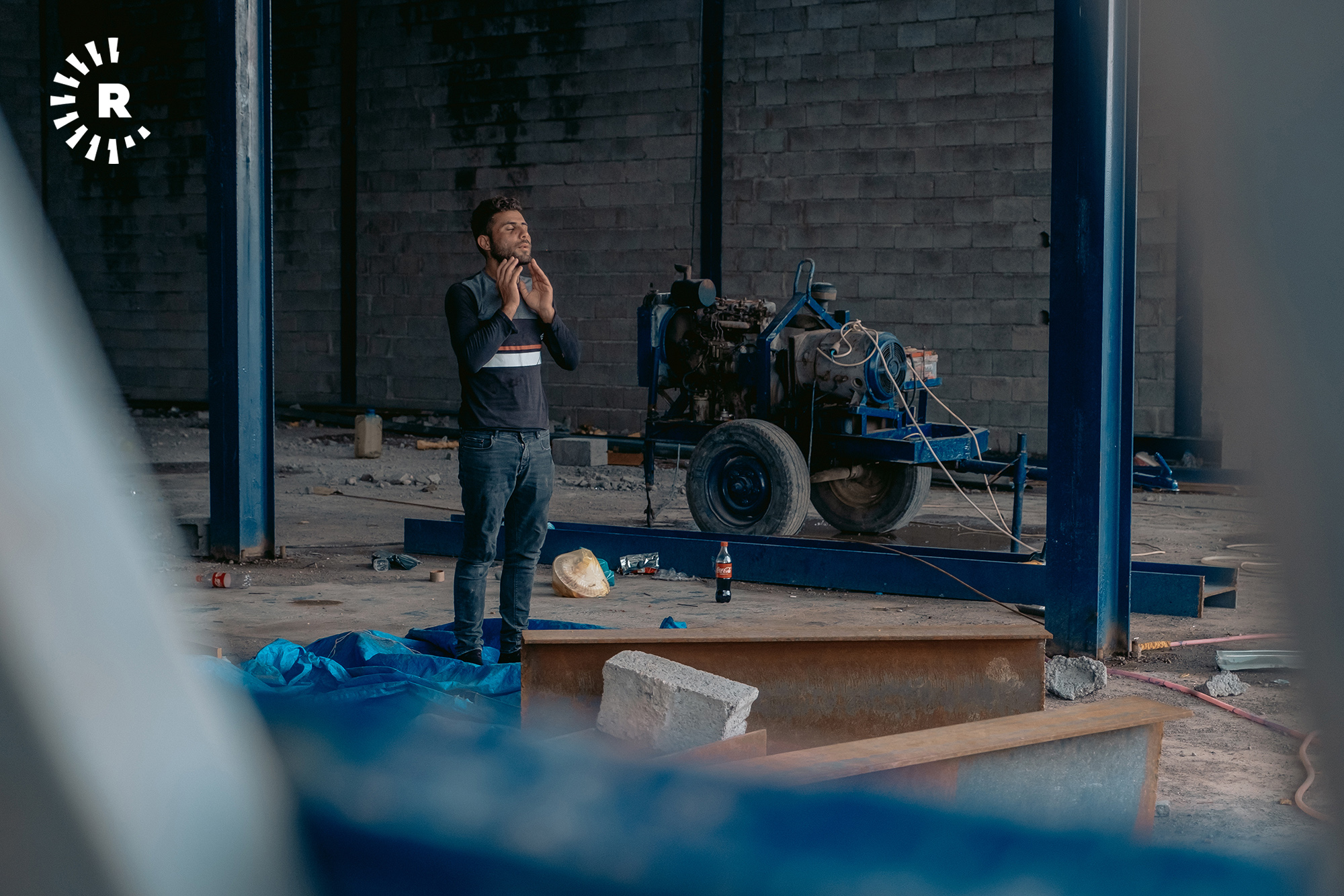
The men operate heavy machinery and power tools without helmets or work boots, exposed to the battering wind without harnesses or ropes.
“It is Ramadan now and we fast, so it is hard for us to work. But we have to overcome that hardship, because our lives are based on that,” Sahir said.
“I have to pay rent, and I have five children, so it is hard work for us.”
“May 1 means nothing to me. It’s a holiday but we still work.”
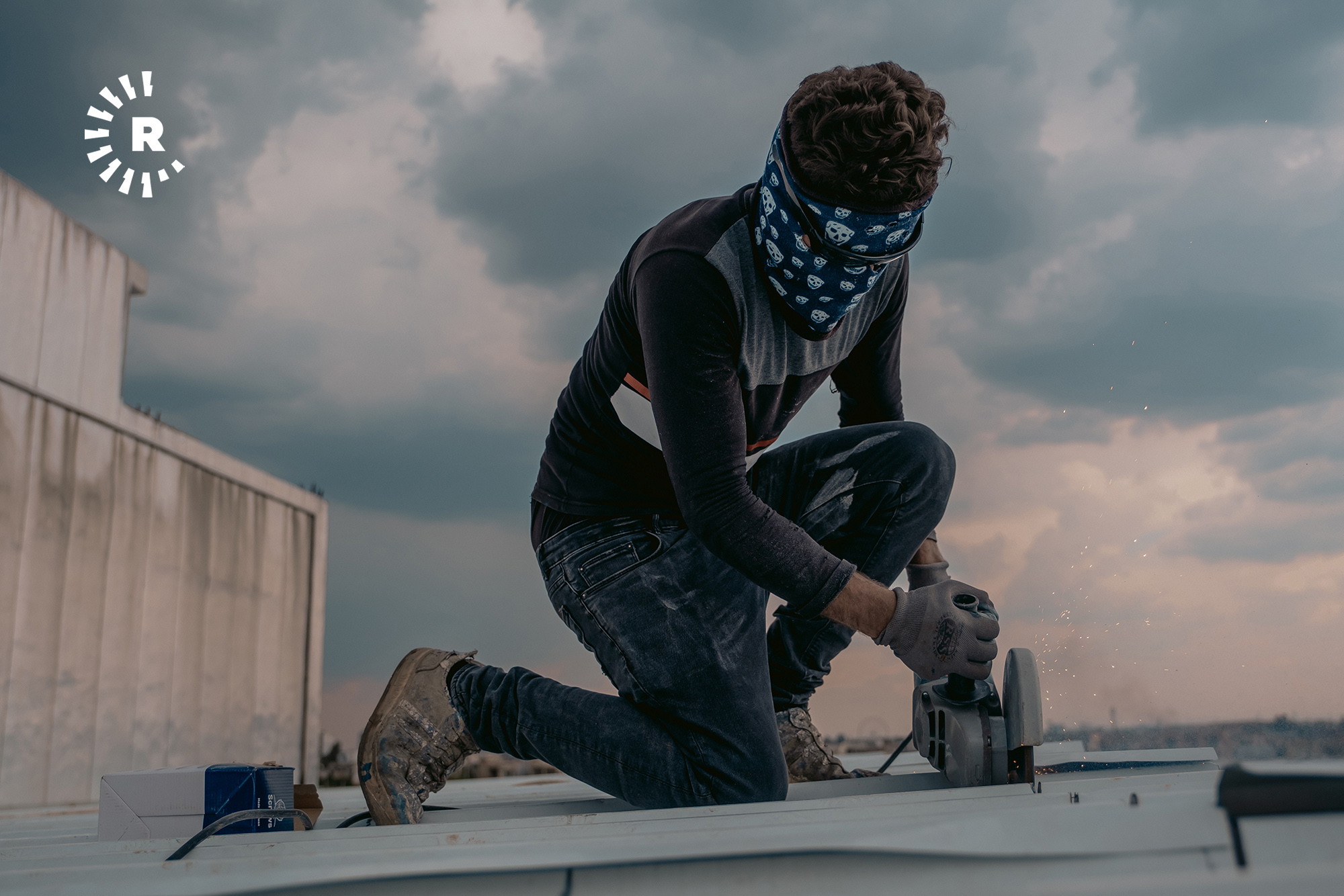
One of the men, Omar Shahab, wears a scarf around his face. He was injured earlier in the day and rushed to hospital after a stray spark burned his cheek.
A few hours later he is back on the construction site.
It’s the second time he’s been injured on the job, he says, a high price to pay for his daily wage of 20,000-30,000 IQD ($17-$25).
“I have been in Erbil for three years and I work constantly,” the 20-year-old from Anbar told Rudaw.
“We have no insurance while we are doing this hard work. No one is responsible for our lives.”
Omar dreams of someday affording his own home and getting married.
“I want to make money in order to build my future,” he said. “But in the future I have to work even harder because I will have children and I need to raise them well.”
International Workers’ Day is marked every year on May 1 to highlight the dignity of labor, the right to organize trade unions, and the struggle for better pay, terms, and safe working conditions.
Keyworkers who have kept services running through coronavirus lockdowns were feted worldwide on Friday. However, for millions of workers left jobless by the crisis, this is a time of hardship and uncertainly.
Photos and reporting by Bilind T. Abdullah

01-05-2020 1

01-05-2020 2

01-05-2020 3
01-05-2020 4
01-05-2020 5
01-05-2020 6
01-05-2020 7
01-05-2020 8

01-05-2020 9
01-05-2020 10
01-05-2020 11

01-05-2020 12

01-05-2020 13
01-05-2020 14
01-05-2020 15
01-05-2020 16

01-05-2020 17
01-05-2020 18
01-05-2020 19
International Workers’ Day: For cash-strapped Erbil laborers, the work doesn’t stop
International Workers’ Day: For cash-strapped Erbil laborers, the work doesn’t stop
International Workers’ Day: For cash-strapped Erbil laborers, the work doesn’t stop
International Workers’ Day: For cash-strapped Erbil laborers, the work doesn’t stop
International Workers’ Day: For cash-strapped Erbil laborers, the work doesn’t stop
International Workers’ Day: For cash-strapped Erbil laborers, the work doesn’t stop
International Workers’ Day: For cash-strapped Erbil laborers, the work doesn’t stop
International Workers’ Day: For cash-strapped Erbil laborers, the work doesn’t stop
International Workers’ Day: For cash-strapped Erbil laborers, the work doesn’t stop
International Workers’ Day: For cash-strapped Erbil laborers, the work doesn’t stop
International Workers’ Day: For cash-strapped Erbil laborers, the work doesn’t stop
International Workers’ Day: For cash-strapped Erbil laborers, the work doesn’t stop
International Workers’ Day: For cash-strapped Erbil laborers, the work doesn’t stop
International Workers’ Day: For cash-strapped Erbil laborers, the work doesn’t stop
International Workers’ Day: For cash-strapped Erbil laborers, the work doesn’t stop
International Workers’ Day: For cash-strapped Erbil laborers, the work doesn’t stop
International Workers’ Day: For cash-strapped Erbil laborers, the work doesn’t stop
International Workers’ Day: For cash-strapped Erbil laborers, the work doesn’t stop