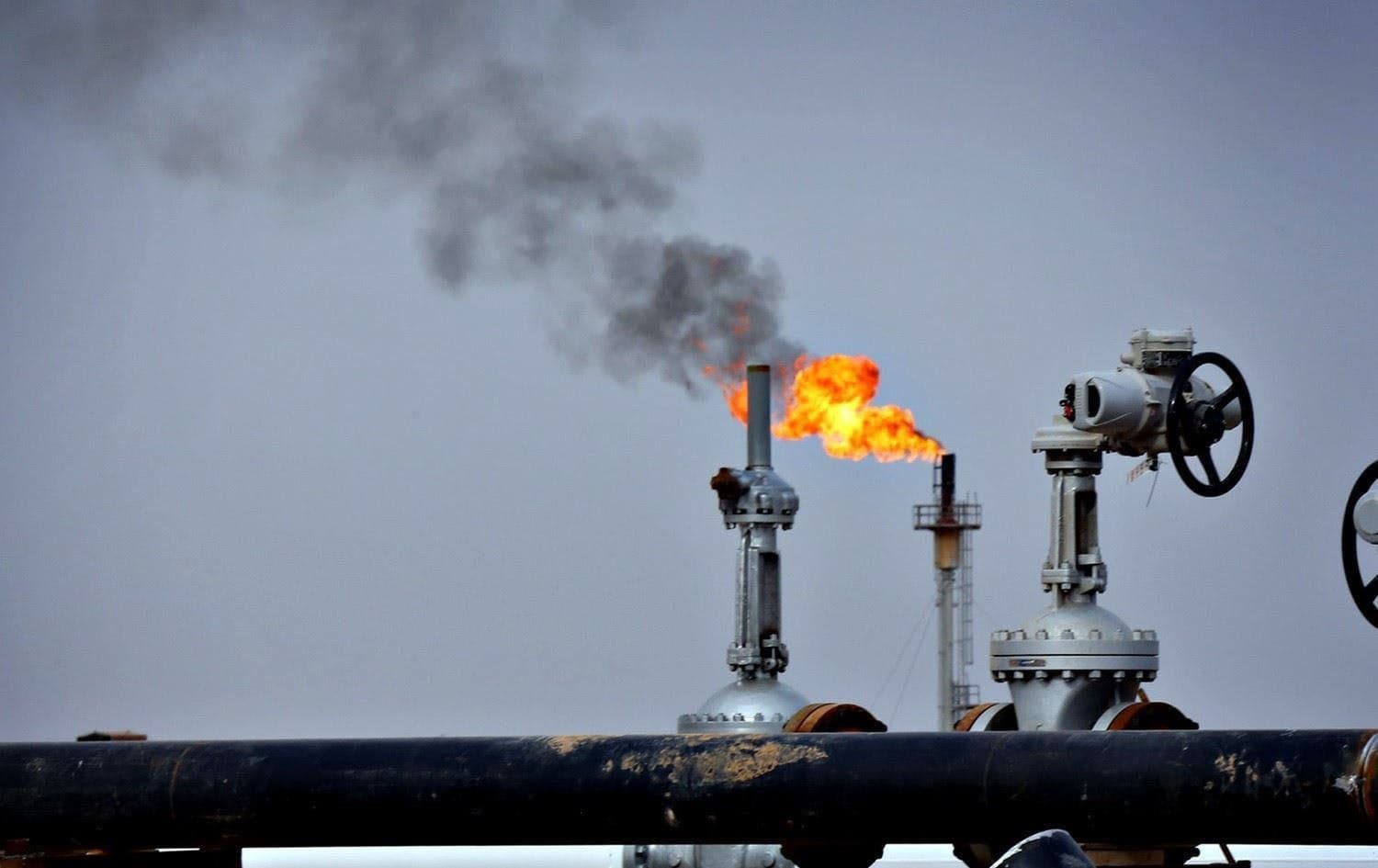
“The decision to suspend oil exports was made by the oil companies,” a senior source from Iraq’s North Oil Company said. A senior official from the Iraqi oil ministry also confirmed the suspension.
A senior official from one of the oil-producing companies told Rudaw that most companies halted operations hours after the US and Israel launched their war with Iran on Saturday. They added that Kar Group, Gazprom, and Addax Petroleum continued operations. The official confirmed that most companies have now stopped production, except for a couple of them.
The widening war between the United States, Israel, and Iran has disrupted fuel transportation and heightened the risk of supply cuts of Middle Eastern oil and gas, particularly amid concerns over a potential closure of the Strait of Hormuz. These developments have driven up global oil prices.
Mazhar Mohammed Salih, economic advisor to the Iraqi prime minister, told Rudaw that any closure of the Strait of Hormuz would pose a serious challenge to Iraq’s economy, as the country heavily relies on the waterway for oil exports. He noted that 94 percent of Iraq’s oil is exported through southern ports.
Iraq needs to export 3.5 million barrels of oil per day to cover public sector salaries, ministry expenditures, and development projects.
“If the situation continues like this for 25 days and oil is not exported, an economic catastrophe will occur,” the senior official from the Iraqi oil ministry warned.
The three sources spoke on condition of anonymity.
Oil exports from the Kurdistan Region through the Iraq-Turkey pipeline were suspended in March 2023, when a Paris-based arbitration court ruled in favor of Baghdad against Ankara, saying the latter had violated a 1973 pipeline agreement by allowing Erbil to begin exporting oil independently in 2014. Before the halt, Erbil exported around 400,000 barrels per day through the pipeline, in addition to some 75,000 barrels of Kirkuk’s oil.
The exports resumed last September last year following a tripartite agreement between Baghdad, Erbil, and international oil companies. The three sides agreed in late December to extend the deal for an additional three months to allow continued exports from the Kurdistan Region.
Updated at 5:58 pm
Malik Mohammed contributed to this article.