


Error occured during this request! Please try again later.
Kurdistan

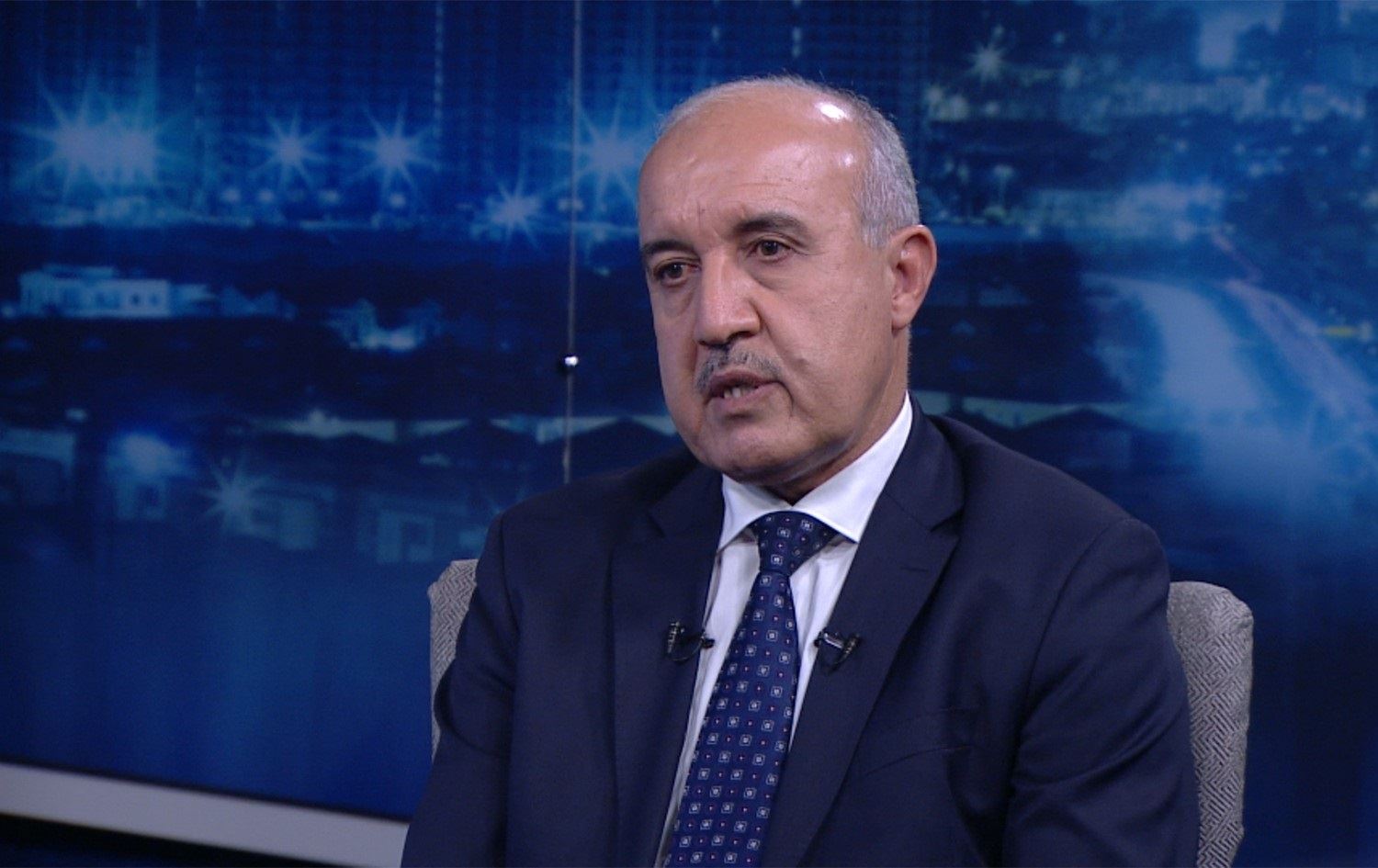
Kurdistan Region Electricity Minister Kamal Mohammed speaks to Rudaw on September 26, 2021. Photo: Rudaw/screengrab
ERBIL, Kurdistan Region - The Kurdistan Regional Government (KRG) is making progress in its efforts to control demand for electricity and reduce theft by installing smart metres and cutting illegal lines, the minister of electricity said in an interview.
“In the last two years, more than 18,000 illegal lines have been cut,” Minister Kamal Mohammed told Rudaw’s Bakhtyar Abdulaziz in an interview filmed on September 26 and aired Sunday.
Demand for electricity far outpaces supply in the Kurdistan Region, leaving customers without power or reliant on private diesel-fueled generators for hours a day when the national grid cuts out. Theft through illegal lines tapping into the grid or manipulation of old-style metres is part of the problem.
Mohammed said that they fine each culprit 30,000 dinars ($20) plus a fee calculated by estimating how much electricity the guilty house or business consumed in two years.
The ministry has installed nearly a million smart meters so far, more than 65 percent of the total, according to Mohammed.
In addition to theft, electricity generation is operating at just a fraction of capacity. The electricity sector has the capacity to generate 7,000 megawatts of electricity, but actual production is just half that, because of fuel shortages. The minister said they are trying to switch to natural gas because it is much cheaper than diesel and crude oil, almost half the price.
Demand is also growing. Mohammed said they add 80,000 new subscribers annually.
The Kurdistan Region and Iraq see annual protests over lack of electricity.
The KRG is also an exporter of electricity, earning billions of dinars that is spent on repairs and salaries of public servants, according to the minister. The electricity is sold to areas disputed between Erbil and Baghdad.
“In the last two years, more than 18,000 illegal lines have been cut,” Minister Kamal Mohammed told Rudaw’s Bakhtyar Abdulaziz in an interview filmed on September 26 and aired Sunday.
Demand for electricity far outpaces supply in the Kurdistan Region, leaving customers without power or reliant on private diesel-fueled generators for hours a day when the national grid cuts out. Theft through illegal lines tapping into the grid or manipulation of old-style metres is part of the problem.
Mohammed said that they fine each culprit 30,000 dinars ($20) plus a fee calculated by estimating how much electricity the guilty house or business consumed in two years.
The ministry has installed nearly a million smart meters so far, more than 65 percent of the total, according to Mohammed.
In addition to theft, electricity generation is operating at just a fraction of capacity. The electricity sector has the capacity to generate 7,000 megawatts of electricity, but actual production is just half that, because of fuel shortages. The minister said they are trying to switch to natural gas because it is much cheaper than diesel and crude oil, almost half the price.
Demand is also growing. Mohammed said they add 80,000 new subscribers annually.
The Kurdistan Region and Iraq see annual protests over lack of electricity.
The KRG is also an exporter of electricity, earning billions of dinars that is spent on repairs and salaries of public servants, according to the minister. The electricity is sold to areas disputed between Erbil and Baghdad.


Comments
Rudaw moderates all comments submitted on our website. We welcome comments which are relevant to the article and encourage further discussion about the issues that matter to you. We also welcome constructive criticism about Rudaw.
To be approved for publication, however, your comments must meet our community guidelines.
We will not tolerate the following: profanity, threats, personal attacks, vulgarity, abuse (such as sexism, racism, homophobia or xenophobia), or commercial or personal promotion.
Comments that do not meet our guidelines will be rejected. Comments are not edited – they are either approved or rejected.
Post a comment