


Kurdistan

Afghan students graduating from the American University of Iraq-Sulaimani, photo taken on June 8, 2022. Photo: Rudaw
ERBIL, Kurdistan Region - Riaz Nasseri was dreading what would happen to him and dozens of other students from the American University in Kabul if the Taliban stopped their vehicle as it made its way towards Kabul airport almost two months after the group took over the country. Thinking about his family and his siblings gave him peace as he made it out of the country on a Qatar Airways flight to Doha.
Nasseri’s flight from Doha landed just before midday on October 25 at Sulaimani airport in the Kurdistan Region thanks to the efforts of numerous people and NGOs who worked hard to find a place at the American University of Iraq-Sulaimani (AUIS) for the fleeing students.
Eight months later, Nasseri and around three dozen other Afghan students are amongst nearly 300 undergraduate and postgraduate students celebrating the end of their studies in a ceremony attended by Iraqi and Kurdish officials in the city of Sulaimani.
The Afghan students say they feel at home and they are grateful for the reception they have received in the Kurdistan Region.
“When I arrived the other students were very welcoming and asked about our families and if they were safe,” Nasseri, 22, told Rudaw English. “I have gone on hiking trips and go to different malls, I feel safe here.”
In total, around 110 Afghan students arrived at AUIS late last year, and around ten have managed to obtain visas and opportunities to continue their studies in Europe and the United States.
Nasseri says that he cannot go back to Afghanistan because he would face arrest or even death.
“I speak to my close friend every evening and he always tells me not go back,” Nasseri said, adding that Taliban has forced his friend to grow beard and imposed face cover on girls and women. While his family is relatively safe, Nasseri prefers not to disclose where they reside for fear of reprisal.
Other Afghan students are praying for a better future for their country and for their people to live a normal life.
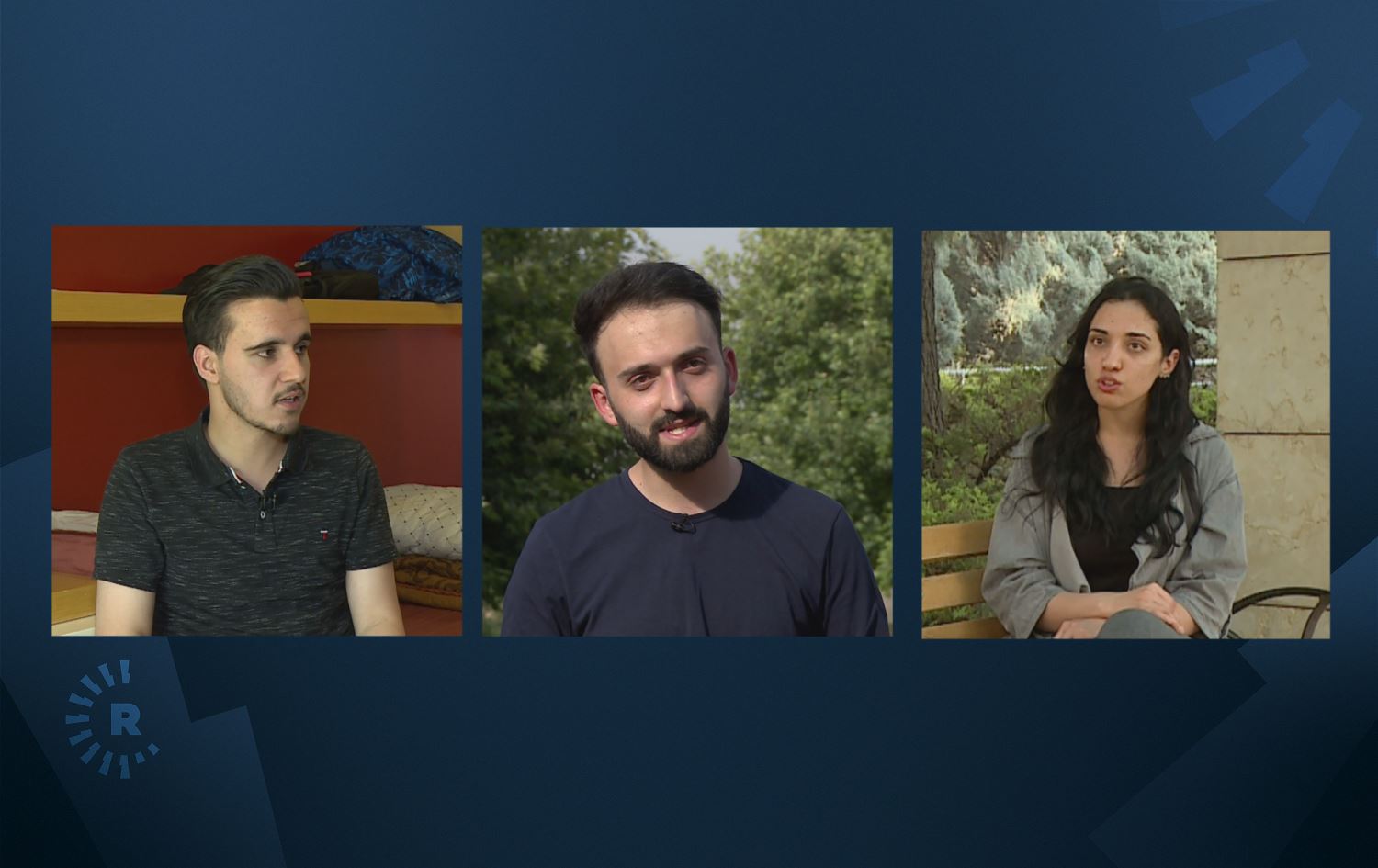
“The evacuation itself was extremely difficult, given that we had to leave our entire livelihood behind and then start everything from scratch here, in the Kurdistan Region of Iraq,” Nikhat Sadeq a female student told Rudaw’s Horvan Rafat on Tuesday.
“We are extremely grateful for the hospitable people of Kurdistan for their kindness towards us. As Afghans….the mode that we have always been in has been survival mode, I hope one day we can get out of survival mode and actually get to live life”
Nasseri is less optimistic but wants to pursue a Masters in Global studies and has applied for a program in the US. “I prefer to go to the US and continue my studies there.” he said.
The future is uncertain for these students, and it is not clear when they will be able to see their families again, but for the time being, they are happy that they are safe in the Kurdistan Region and are focusing on their studies.
“I hope there is one day that Afghanistan as accommodating and welcoming as it used to be to foreigners and its own citizens such as myself,” another student Esmatollah Sahak told Rudaw on Tuesday.
Thousands of Afghans fled their country after the Taliban took full control of Afghanistan in August following a two-decade civil war.
Afghan women have endured the biggest violation of rights since the Taliban takeover, with secondary education and most jobs being banned. On May 7, the Taliban announced that women should not leave their homes unless strictly necessary and can only do so with their entire bodies and faces covered.


Comments
Rudaw moderates all comments submitted on our website. We welcome comments which are relevant to the article and encourage further discussion about the issues that matter to you. We also welcome constructive criticism about Rudaw.
To be approved for publication, however, your comments must meet our community guidelines.
We will not tolerate the following: profanity, threats, personal attacks, vulgarity, abuse (such as sexism, racism, homophobia or xenophobia), or commercial or personal promotion.
Comments that do not meet our guidelines will be rejected. Comments are not edited – they are either approved or rejected.
Post a comment