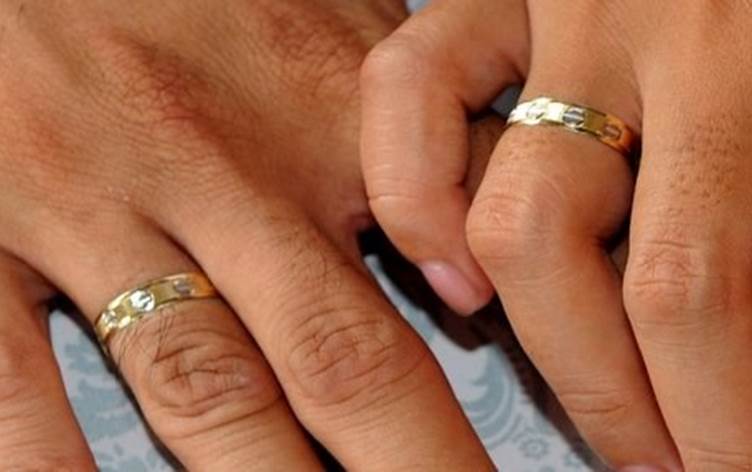


ERBIL, Kurdistan Region - Official data show that the divorce rate in the Kurdistan Region has increased by more than 60 percent since 2012, a worrying trend in a region with predominantly conservative values.
The number of couples that filed for divorce in 2015 was 9,295, while three years earlier only 6,079 marriages had ended in divorces, according to the region's high court of justice, which records marriage and divorce cases in the country.
The rate is considerably higher among young couples between 22 and 35, with almost half of the marriages ending up in painful divorces, the records show. Nearly half of the couples have more than one child when they file for divorce.
Officials say domestic violence is a common reason for women to file for divorce but other factors such as infidelity and economic hardship are among main reasons for the upsurge.
"We have daily cases in which married women turn to us for protection or assistance due to their marital circumstances at home," said Zhilamo Abdulqadir, manager of a government-backed office to confront violence against women.
"Many of these cases end up in divorces when we see that reconciliation is not an option," Abdulqadir said.
The data also show that the number of marriages has seen a 25 percent fall in the same period, from 56,002 to 44,524 couples tying the knot.
Some researchers believe the modernization of Kurdish society in terms of information technology and access to better communication means are part of the reason for the dramatic increase in divorces.
"People, and especially the young, have unprecedented access to communication tools through the Internet and smart phones which has made it easier for women and men to communicate and create the circumstances for them to find other possible partners," said Karzan Abdulla, a social researcher at Erbil's district court.
Abdulla said infidelity -- both by married women and men -- is on the rise because of better communication possibilities with members of the opposition sex.
Comments
Rudaw moderates all comments submitted on our website. We welcome comments which are relevant to the article and encourage further discussion about the issues that matter to you. We also welcome constructive criticism about Rudaw.
To be approved for publication, however, your comments must meet our community guidelines.
We will not tolerate the following: profanity, threats, personal attacks, vulgarity, abuse (such as sexism, racism, homophobia or xenophobia), or commercial or personal promotion.
Comments that do not meet our guidelines will be rejected. Comments are not edited – they are either approved or rejected.
Post a comment