


Kurdistan

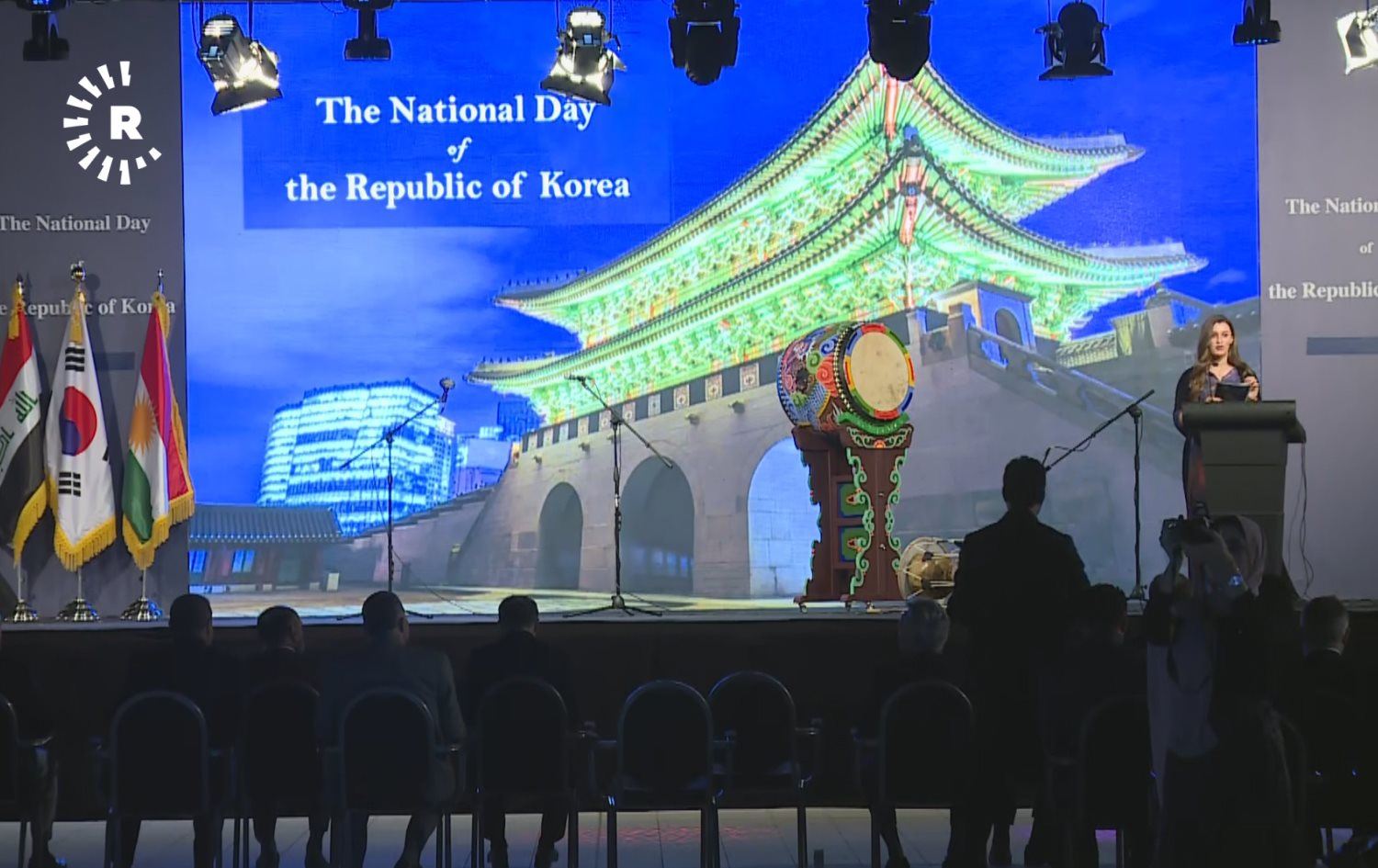
National day of Korea celebrations were held in Erbil by the South Korean consulate on Thursday, October 14, 2021. Photo: Rudaw
ERBIL, Kurdistan Region - The South Korean consulate in Erbil held its National Day on Thursday, celebrating the close ties for almost two decades between the country and the Kurdistan Region.
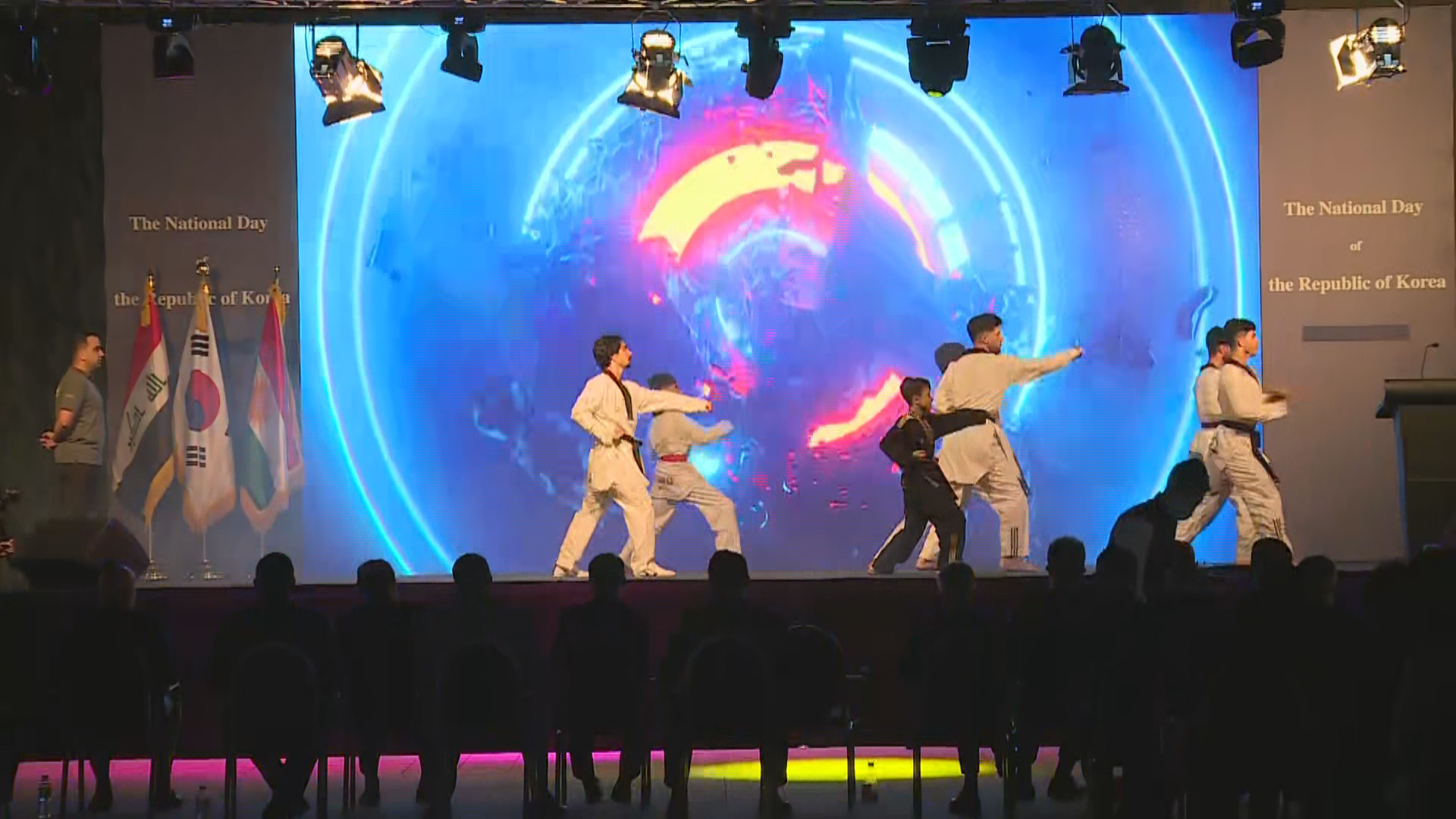
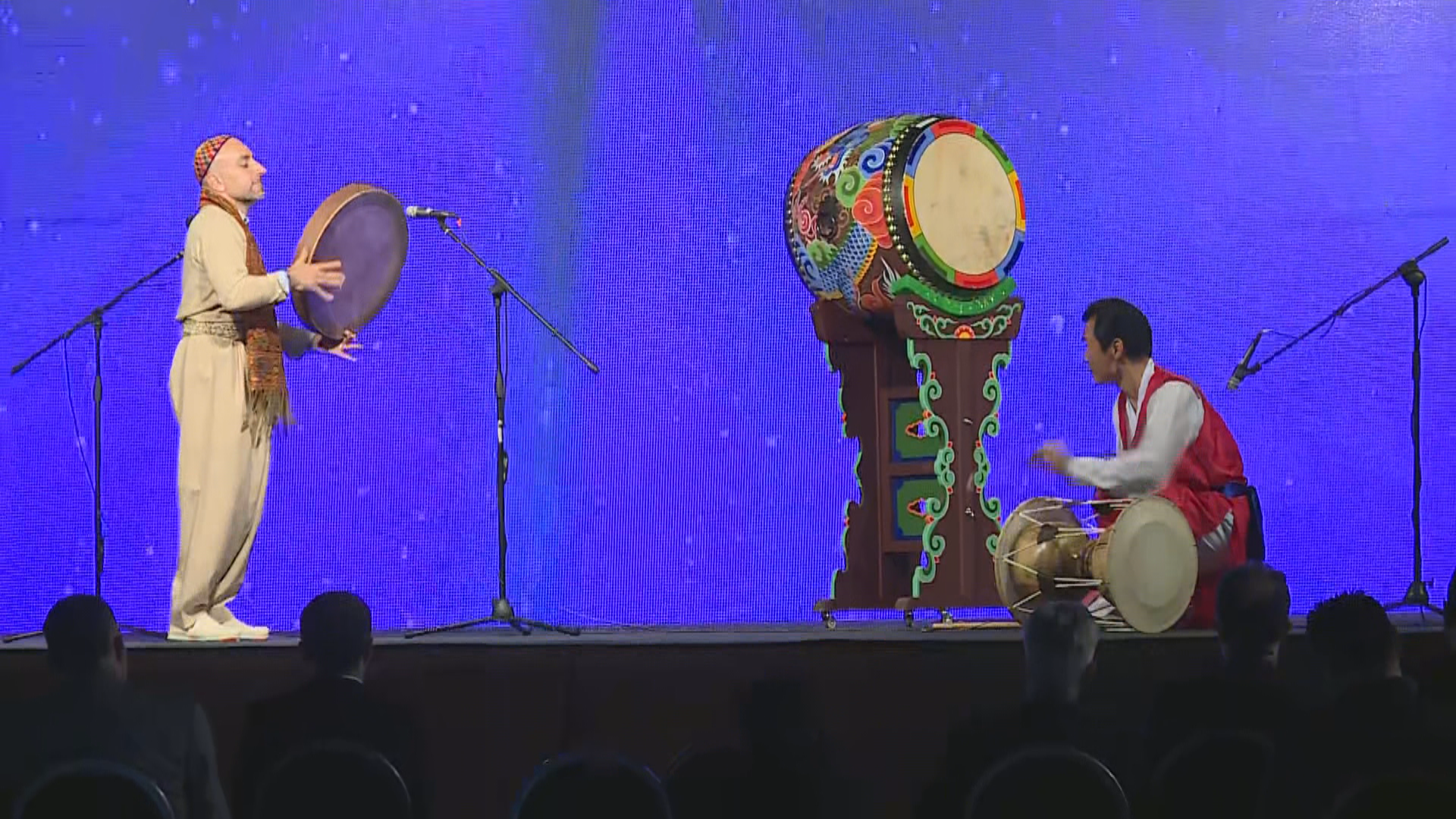
Taekwondo, music and dance dominated the consulate’s event in Erbil, with consul general Choi Kwang-Jin singing in Kurdish. Senior officials from the Kurdistan Regional Government (KRG) and Kurdish artists also attended the celebration.
Taekwondo, music and dance dominated the consulate’s event in Erbil, with consul general Choi Kwang-Jin singing in Kurdish. Senior officials from the Kurdistan Regional Government (KRG) and Kurdish artists also attended the celebration.
Seoul and Erbil have enjoyed good relations for nearly two decades.
The consul general said in an op-ed published on Rudaw English in September 2020 that since 2004, the Korean humanitarian-military Zaytun division and the KOICA (Korea International Cooperation Agency) have successfully constructed more than 250 facilities in the Kurdistan Region, including 59 schools, 15 public health centers, the Zaytun hospital, the Zaytun library, the establishment of the KIPA (Kurdistan Institute of Public Administration) and e-procurement system, the provision of medical support for refugees, and the training of 1,500 Kurdistan Regional Government officials in Korea, as well as in-kind assistance worth of more than 60 million dollars.”
“Fifteen years ago, the Kurdistan Region was in turmoil and there were a lot of political situations, economic situations, and the social and cultural situation is worse than you could expect,” he told Rudaw’s Kani Halabjayi on July 8, 2020.
“Fifteen years later, I came and then I saw a sea of changes in Kurdistan. I think Kurdistan Region is going in the right direction for the development of economy, politics and international relationships,” he added.
In 2016, South Korea upgraded its diplomatic mission in the Kurdistan Region from an embassy office to a consulate. Since 2015, annually, Korea has provided donations to the IDPs and refugees in the Kurdistan Region.
When coronavirus spread in the Kurdistan Region in 2020, Seoul provided testing kits to Erbil. The country has also trained 1,500 KRG officials in Korea.
Korea has provided several projects for supporting the education sector in Kurdistan Region, including building schools, educational compounds and training for the educational staff.


Comments
Rudaw moderates all comments submitted on our website. We welcome comments which are relevant to the article and encourage further discussion about the issues that matter to you. We also welcome constructive criticism about Rudaw.
To be approved for publication, however, your comments must meet our community guidelines.
We will not tolerate the following: profanity, threats, personal attacks, vulgarity, abuse (such as sexism, racism, homophobia or xenophobia), or commercial or personal promotion.
Comments that do not meet our guidelines will be rejected. Comments are not edited – they are either approved or rejected.
Post a comment