ERBIL, Kurdistan Region - A specialized committee affiliated with the Kurdistan Region’s agriculture and water resources ministry on Wednesday rejected Baghdad’s wheat purchasing quota for local farmers, describing the federal government’s allocation criteria as “unscientific and unrealistic” amid expectations of a bumper harvest.
Following the federal government’s decision to cap wheat purchases from the Kurdistan Region at 292,000 tons as part of a nationwide plan to procure 3.8 million tons at 700,000 Iraqi dinars (about $455) per ton, Erbil’s Supreme Committee for Wheat Reception stated that “the criteria set by Iraq for receiving wheat from Kurdistan Region farmers are unscientific and unrealistic.”
The Committee added that, as the Region’s specialized body, it has “rejected the contents of the proposal presented by Baghdad” for local farmers.
Due to abundant rainfall, wheat production in the Kurdistan Region is expected to be exceptionally high this year as farmers have planted an estimated 3.3 million Iraqi dunams (about 8,250 square kilometers) of wheat this season, with total yields projected to range between 1.5 million and 2 million tons.
Despite the surplus, the federal government’s cap of 292,000 tons represents approximately 15 to 20 percent of the Kurdistan Region’s projected yield.
Kurdish agricultural officials have censured Baghdad’s move, arguing that the allocation falls far short of equitable standards.
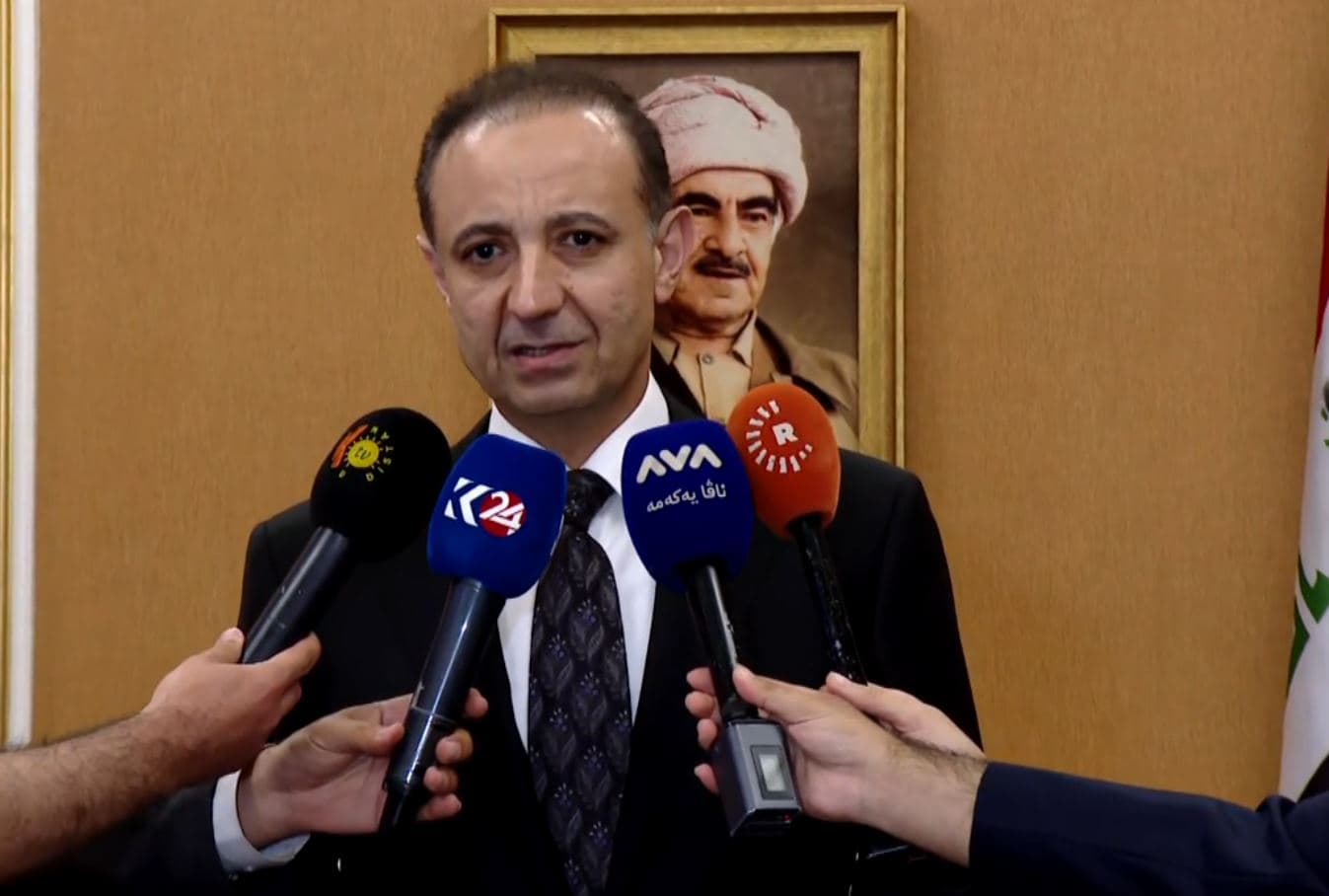
Rizgar Mohammed, an advisor to the Kurdish agriculture and water resources ministry and member of the Wheat Reception Committee, said in a Wednesday statement that the Region's quota “should have been set at a minimum of 400,000 tons.”
He added that the current limit “does not reflect population density, the Region’s share of the federal budget, or even standard agricultural metrics.” Consequently, an official letter of protest is being prepared and will be sent to the relevant authorities in Baghdad, Mohammed noted.
Moreover, the Committee emphasized that farmers in the Kurdistan Region must be granted the same marketing and delivery rights at silos as those afforded to farmers in other parts of the country, namely central and southern Iraq.
Highlighting the Region’s role as a vital food basket and noting a local storage capacity exceeding one million tons, Erbil’s agriculture and water resources ministry said it is actively exploring alternative measures to manage the surplus. These plans include supporting private-sector initiatives to process the remaining wheat crop into flour for export markets.