


Error occured during this request! Please try again later.
Kurdistan

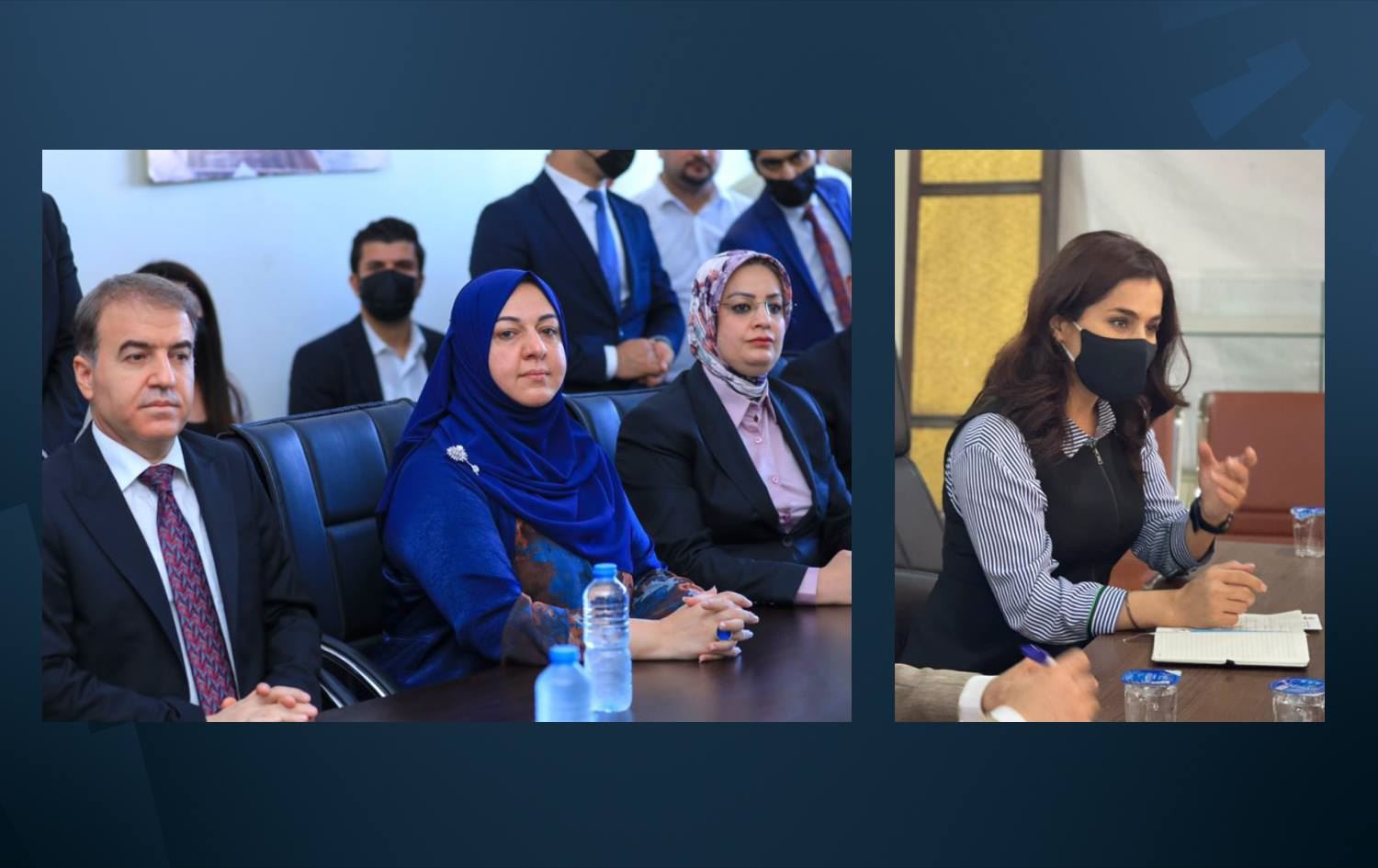
Kurdistan parliament speaker Rewaz Fayaq (left). Photo: Twitter. Mayor of Halabja Nuxsha Nasih (right). Photo: Facebook
ERBIL, Kurdistan Region — Women in the Kurdistan Region now hold more prominent roles in government and official institutions than ever before, according to the directorate of Combating Violence Against Women.
Eighty-three women are faculty heads and deans at governmental universities, while 2983 others hold scientific titles, according to statistics released by the directorate. Around 483 women work in the judiciary.
“After 1993 the rate of women taking part in the parliament increased from 0 to 25 percent,” the directorate's deputy director-general Ari Rafiq told Rudaw on Saturday. “The law was amended in 2009 and the rate increased from 25 percent to 30 percent.”
The Kurdistan Region legally requires that 30 percent of parliamentarians are women.
Mayor of Halabja Nuxsha Nasih was appointed to the position in 2016. She is the second woman to hold the top office in Halabja.
Kurdish parliament speaker Rewaz Fayaq is also the second woman in succession to hold that post in the region.
Despite the advancements, women in the Kurdistan Region still often face various kinds of gender-based violence, including honor killings, and child marriage. Another form of abuse that is seen more often now is online harassment, which Rafiq describes as a “modern phenomenon.”
“We send around 11,000 official complaints to courts annually,” he added.
Three women were killed in April and May, nine committed suicide while another 17 set themselves on fire, according to data from the directorate.
Zahra Jassim, 21, was killed by her husband in Erbil in mid-April. She was married off to him when she was only 12. After years of domestic violence, she separated from her husband in late 2020 and sought shelter at her family's house and a woman's shelter - only to be killed later when found.
A support helpline for victims of gender-based violence was launched at the end of 2018. It has received a total of 45,060 calls from 2019 until April 2021.


Comments
Rudaw moderates all comments submitted on our website. We welcome comments which are relevant to the article and encourage further discussion about the issues that matter to you. We also welcome constructive criticism about Rudaw.
To be approved for publication, however, your comments must meet our community guidelines.
We will not tolerate the following: profanity, threats, personal attacks, vulgarity, abuse (such as sexism, racism, homophobia or xenophobia), or commercial or personal promotion.
Comments that do not meet our guidelines will be rejected. Comments are not edited – they are either approved or rejected.
Post a comment