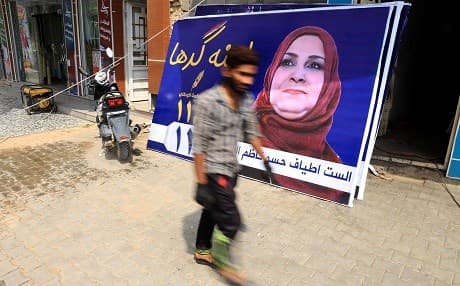
ERBIL, Kurdistan Region – After reports that some family members were running for election to Iraq’s parliament on an Arab list, descendants of legendary Kurdish King Sheikh Mahmoud Hafid Barzinji have disassociated themselves from the candidates, saying they cannot support anyone who works against the Kurdish nation.
Mahmood Hafid Zada, a grandson of Sheikh Mahmoud Hafid Barzani, disowned his brother Mustafa Sheikh Kawa after he decided to run on the list of the National Hikma (Wisdom) Movement led by Ammar al-Hakim.
Mustafa Sheikh Kawa is heading the office of the National Hikma (Wisdom) Movement in Sulaimani.
Hafid Zada added that another candidate who has identified himself as Isa Barzinji and claiming to be a member of the family is in no way connected them.
“The person named Isa who is campaigning for the elections in the name of Sheikh Mahmoud Hafid on the Hikma Movement, near and far, is not associated with us at all and we have even warned him to not repeat such things because it is unacceptable and will make him face court and law,” Hafid Zada stated.
With Erbil-Baghdad relations improving, but still imperfect, candidates are campaigning to mend relations between the two governments and several Arab lists are fielding candidates in the Kurdistan Region where Arab campaign posters and slogans are not a common site.
The office of the National Wisdom Movement was opened in Sulaimani in January 2018.
In addition to the National Wisdom Movement, Prime Minister Haider al-Abadi’s Victory (Nasr) Coalition and former Prime Minister Ayad Allawi’s Wataniya (National) Coalition have lists in Sulaimani and other provinces of the Kurdistan Region.
King Mahmoud established a Kurdish state from 1920-1922, leading uprisings against the British Empire and declaring himself king. He led another revolution in 1930. The charismatic leader garnered nationalistic acclaim. Sheikh Salar Hafid oversees the shrine of King Mahmoud Barzinji in Sulaimani’s Grand Mosque.
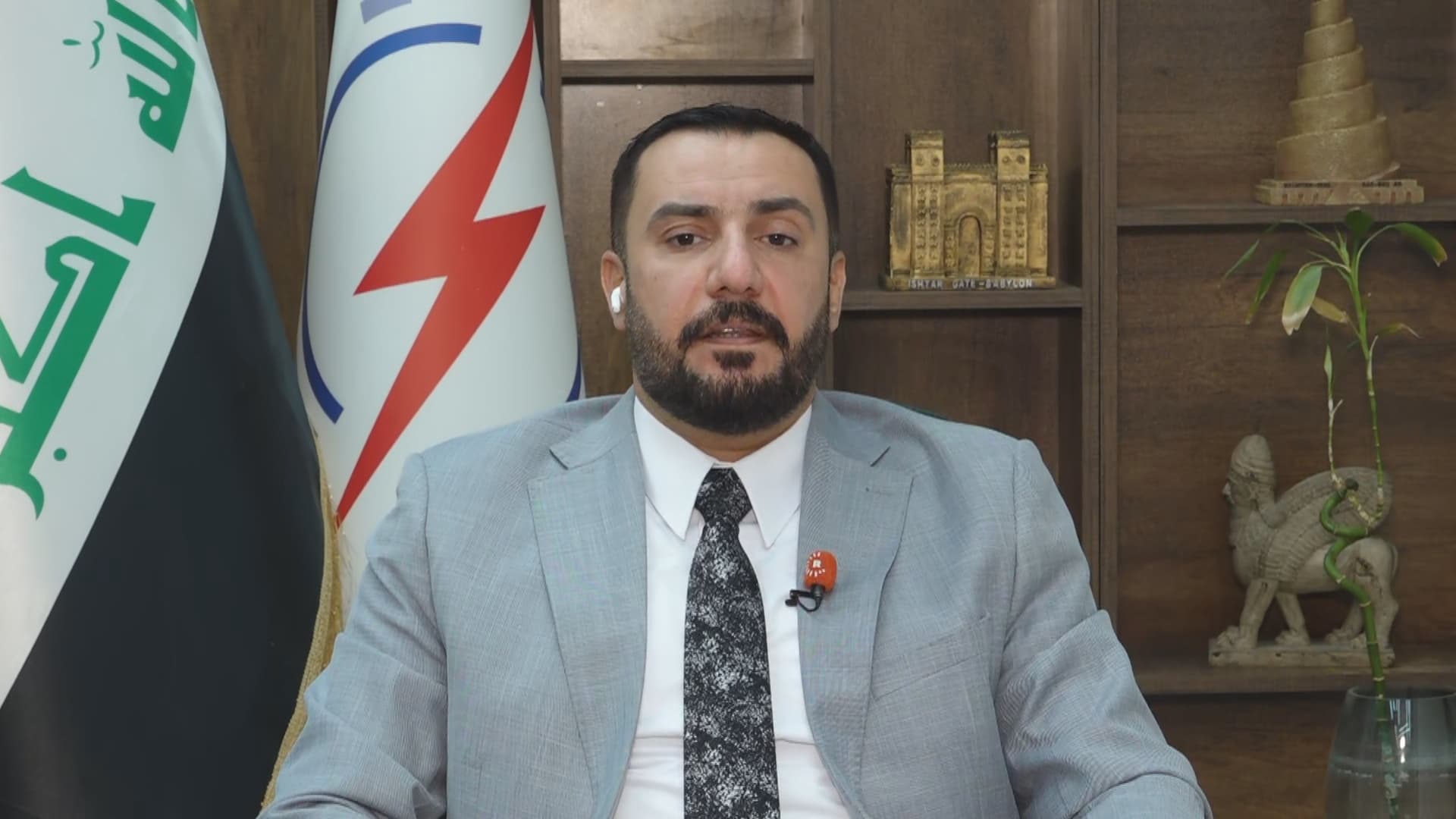
Mahmood Hafid Zada, a grandson of Sheikh Mahmoud Hafid Barzani, disowned his brother Mustafa Sheikh Kawa after he decided to run on the list of the National Hikma (Wisdom) Movement led by Ammar al-Hakim.
“There is no common point with the path and direction that he and his friends have taken with the struggle, path and revolution of Sheikh Mahmoud,” Hafid Zada announced in a Facebook post on Thursday. “We are also advising the beloved people that my brother Mustafa who has joined the Hikma Movement has been dissociated from the Hafid family.”
Mustafa Sheikh Kawa is heading the office of the National Hikma (Wisdom) Movement in Sulaimani.
Hafid Zada added that another candidate who has identified himself as Isa Barzinji and claiming to be a member of the family is in no way connected them.
“The person named Isa who is campaigning for the elections in the name of Sheikh Mahmoud Hafid on the Hikma Movement, near and far, is not associated with us at all and we have even warned him to not repeat such things because it is unacceptable and will make him face court and law,” Hafid Zada stated.
With Erbil-Baghdad relations improving, but still imperfect, candidates are campaigning to mend relations between the two governments and several Arab lists are fielding candidates in the Kurdistan Region where Arab campaign posters and slogans are not a common site.
The office of the National Wisdom Movement was opened in Sulaimani in January 2018.
In addition to the National Wisdom Movement, Prime Minister Haider al-Abadi’s Victory (Nasr) Coalition and former Prime Minister Ayad Allawi’s Wataniya (National) Coalition have lists in Sulaimani and other provinces of the Kurdistan Region.
King Mahmoud established a Kurdish state from 1920-1922, leading uprisings against the British Empire and declaring himself king. He led another revolution in 1930. The charismatic leader garnered nationalistic acclaim. Sheikh Salar Hafid oversees the shrine of King Mahmoud Barzinji in Sulaimani’s Grand Mosque.
Comments
Rudaw moderates all comments submitted on our website. We welcome comments which are relevant to the article and encourage further discussion about the issues that matter to you. We also welcome constructive criticism about Rudaw.
To be approved for publication, however, your comments must meet our community guidelines.
We will not tolerate the following: profanity, threats, personal attacks, vulgarity, abuse (such as sexism, racism, homophobia or xenophobia), or commercial or personal promotion.
Comments that do not meet our guidelines will be rejected. Comments are not edited – they are either approved or rejected.
Post a comment