By Shkar Ahmad
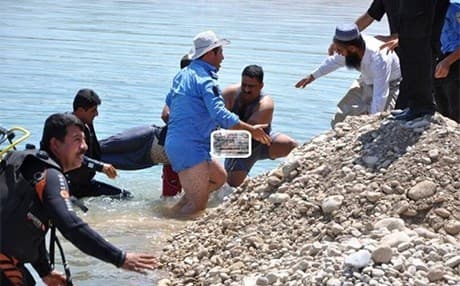
ERBIL, Kurdistan Region – Around 300 people have drowned in Kurdistan Region’s lakes and rivers over the past three years – many of them tourists from southern Iraq – according to figures released by the emergency services.
Duhok has the highest rate of drowning, with 29 deaths in 2017 and 25 deaths in 2018.
“This year till mid-July, 25 individuals drowned in the water. Twenty-two were from the Kurdistan Region, two from Syrian Kurdistan, and one was an Arab,” Bewar Abdul Aziz, spokesman for the Duhok civil emergency services, told Rudaw.
“Our emergency teams rescued some from drowning, otherwise more people could die. Duhok is large and we need more emergency teams,” Abdul Aziz added.
Ninety percent of the people who have drowned in Sulaimani province are tourists. The province’s famous Lake Dukan attracts visitors from across the country and abroad.
“Although in the last 18 months, only 17 people drowned in Sulaimani Province, the victims are tourists because they are not familiar with the place and do not follow rules and guidance,” Rekan Jamal Mahmod, spokesman for Sulaimani province civil emergency services, told Rudaw.
“In 2016, 43 people; in 2017, 26 people; and this year 17 people drowned in Erbil province. Over the total of 86 victims, 46 were Arabs and Syrian Kurds,” Beston Farhad, the director of technical section at Erbil civil emergency services, told Rudaw.
The majority of victims are young men.
“Most of those drowned in Duhok province are young between 18 and 28 years,” Abdul Aziz said.
In June, a young Kurdish man drowned while trying to save a woman who was swept away in the Choman River. Both were killed.
Three tourists from Baghdad also drowned in June while swimming in Lake Dukan.