


08-04-2020
20:49
Turkey sees its highest number of new COVID-19 cases in a day
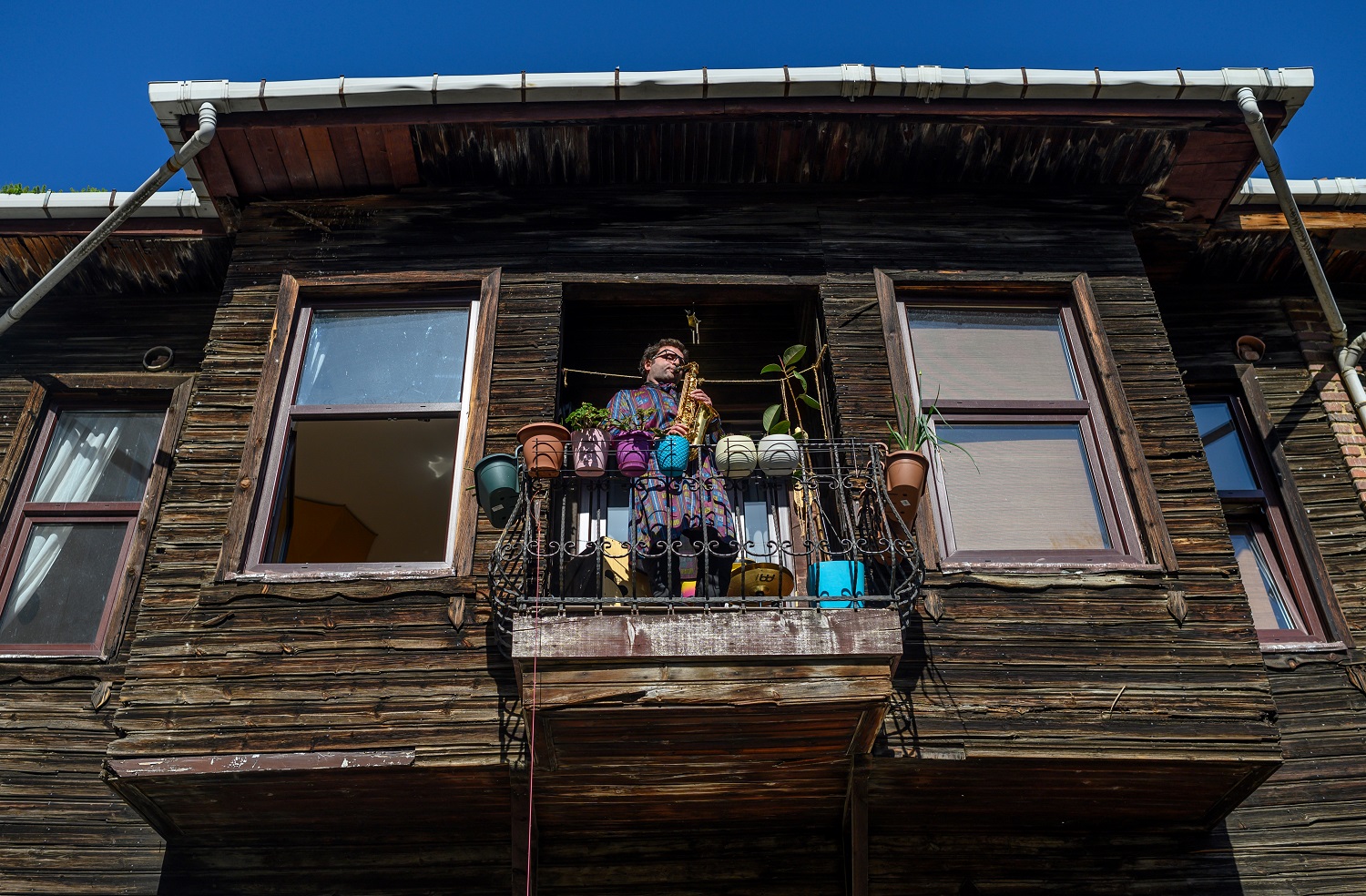
Musician Alper Kalaycioglu holds a concert for his neighbours and social media followers in Kadikoy district, Istanbul, on April 8, 2020. Photo: Bulent Kilic/ AFP
Turkey has recorded its highest number of new COVID-19 cases in a single day, with 4,117 people newly testing positive for the virus, Turkish health minister Fahrettin Koca said late Wednesday.
Eighty-seven people have also died of coronavirus during this period, added the minister.
April has thus far seen the the highest reported daily numbers in country, with the previous month only seeing numbers as high as 2,704 on March 31.
This jump could be the result of the government's decision to conduct more daily testing, which increased from less than 10,000 to 24,900.
There has not been a significant change in the daily death rate.
Turkey has taken a number of measures to curb the spread of the virus, however, the central government has stopped short of a total lockdown, only requiring senior citizens and those under 20 to stay at home.
The country's latest regulations obligate people to wear masks in public and/or crowded areas.
The minister also relayed the news that 264 coronavirus patients have recovered in the last 24 hours.
Turkey's total case number stands at 38,226 as of Wednesday evening, including 812 deaths and 1,846 recoveries.
By Karwan Faidhi Dri
18:39
Kurdistan Region sees 21 new COVID-19 cases: health ministry
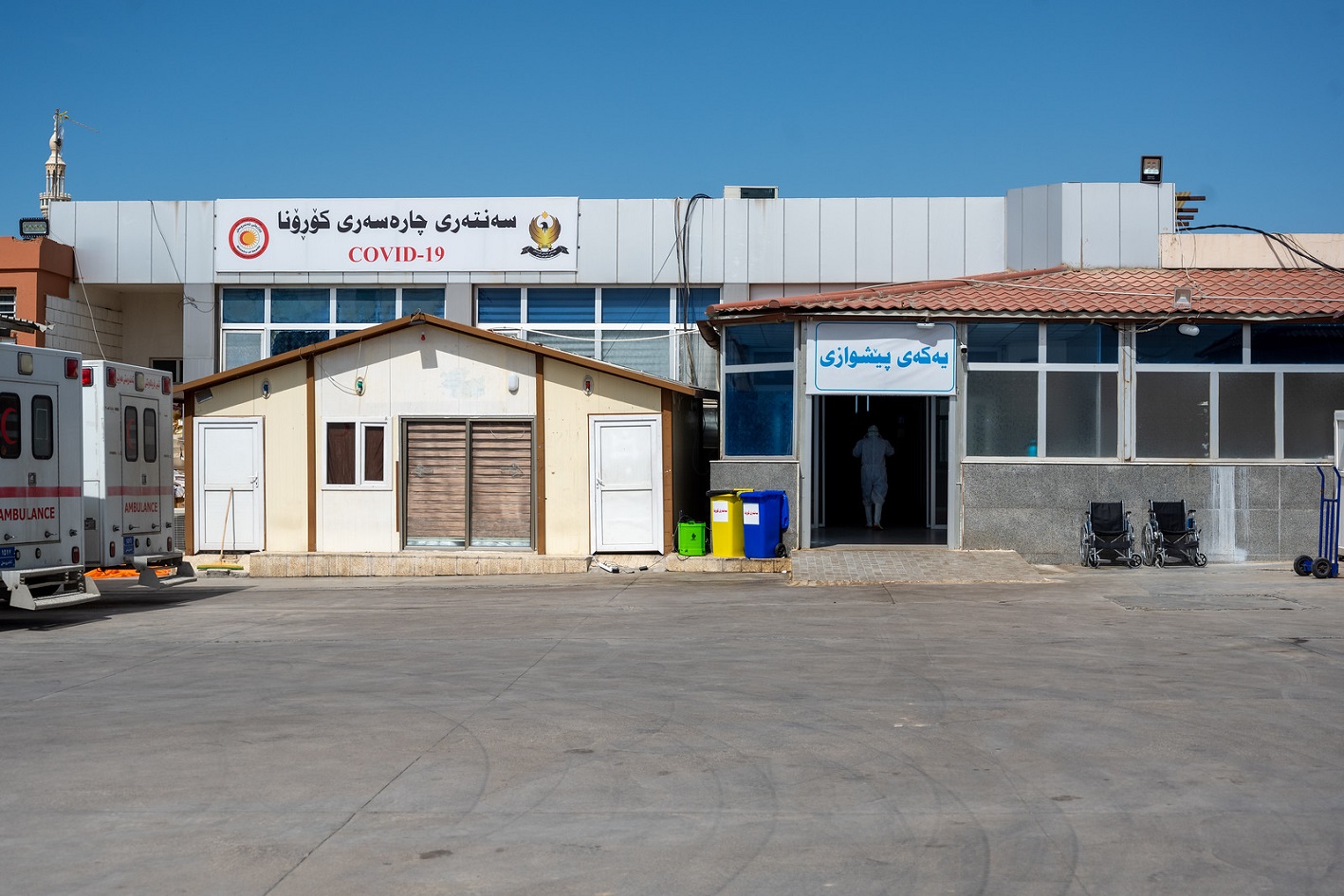
Photo: Bilind T. Abdullah
Twenty-one new people, largely from Erbil, have been found to have contracted COVID-19, according to a KRG health ministry statement released Wednesday.
Of the new cases, one case is in Sulaimani and 20 in Erbil. Most of the people who tested positive in the Region's capital have been found to have violated the curfew and attended on one of the two wakes held in Erbil on March 21 and 23. These two illegal gatherings have so far caused the infection of nearly a hundred people.
Eleven neighborhoods in Erbil have been shut down temporarily for further assessment, with the possibility of health officials imposing harsher quarantine measures on the areas shortly.
Wednesday’s data brings the total number of the cases in the Region to 309, including three deaths and 119 recoveries.
Most of those who have tested positive for COVID-19 in Duhok and Sulaimani provinces have recovered. Erbil is currently the epicenter of the pandemic in the Kurdistan Region.
By Karwan Faidhi Dri
Of the new cases, one case is in Sulaimani and 20 in Erbil. Most of the people who tested positive in the Region's capital have been found to have violated the curfew and attended on one of the two wakes held in Erbil on March 21 and 23. These two illegal gatherings have so far caused the infection of nearly a hundred people.
Eleven neighborhoods in Erbil have been shut down temporarily for further assessment, with the possibility of health officials imposing harsher quarantine measures on the areas shortly.
Wednesday’s data brings the total number of the cases in the Region to 309, including three deaths and 119 recoveries.
Most of those who have tested positive for COVID-19 in Duhok and Sulaimani provinces have recovered. Erbil is currently the epicenter of the pandemic in the Kurdistan Region.
By Karwan Faidhi Dri
18:36
Iraq reports 80 new coronavirus cases, four deaths
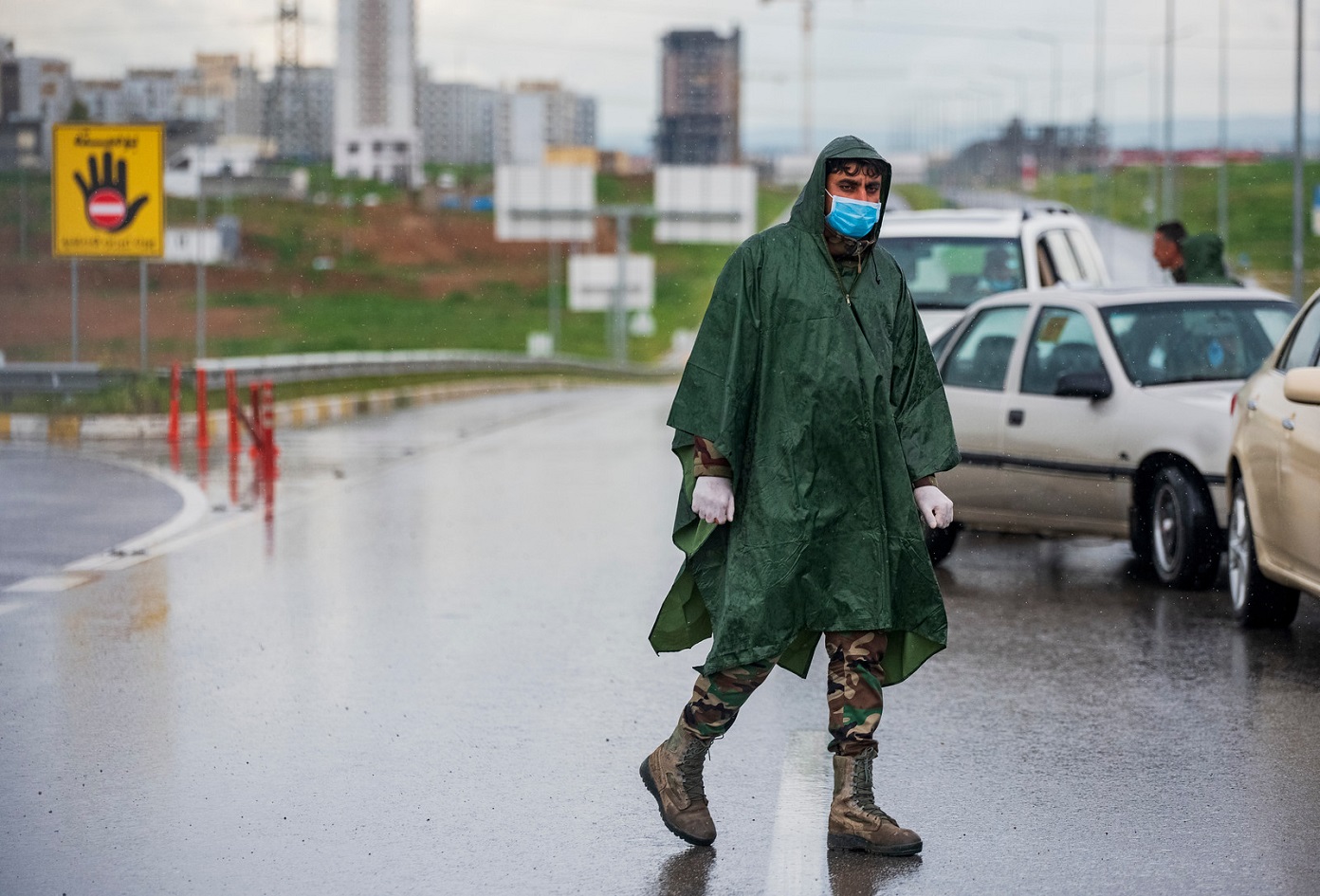
Photo: Bilind T. Abdullah
Eighty new COVID-19 cases have been identified in Iraq, alongside four virus-related deaths, announced the Iraqi health ministry on Wednesday afternoon.
Seventy-nine patients have also recoverred, reported the ministry in a statement.
Najaf province has the lion’s share of the new cases, with 24 people testing positive. It is followed by Erbil, which has 20 new cases.
The new data puts the national total at 1202, including 69 deaths and 425 recoveries.
By Karwan Faidhi Dri
Seventy-nine patients have also recoverred, reported the ministry in a statement.
Najaf province has the lion’s share of the new cases, with 24 people testing positive. It is followed by Erbil, which has 20 new cases.
The new data puts the national total at 1202, including 69 deaths and 425 recoveries.
By Karwan Faidhi Dri
15:40
Iran urges IMF to approve $5 billion loan to fight coronavirus
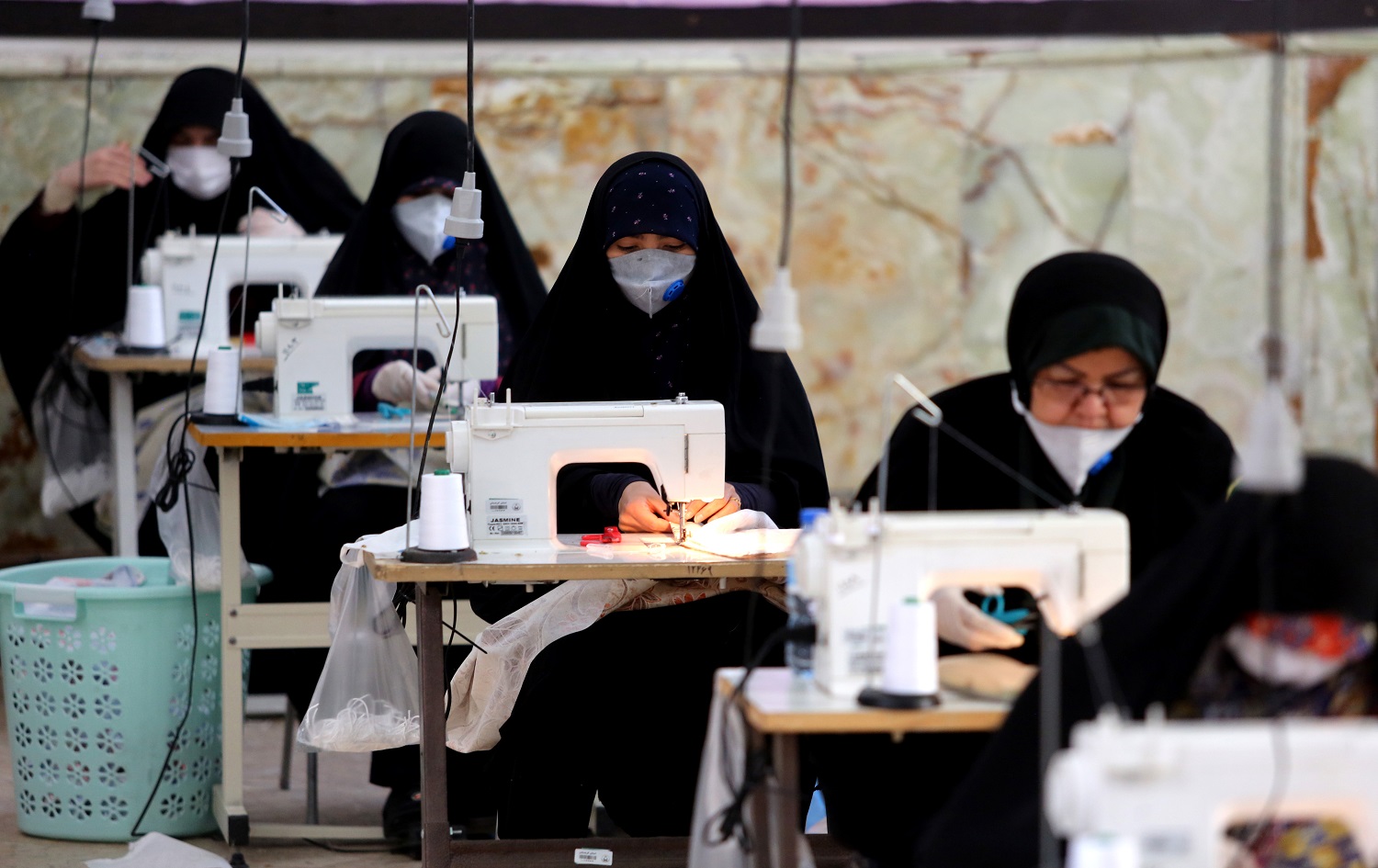
Iranian women make face masks and other protective items at a mosque in the capital Tehran on April 5, 2020/ Photo: Atta Kenare/AFP
Iranian President Hassan Rouhani has urged the International Monetary Fund (IMF) to proceed with a $5 billion emergency loan as the US seeks to block funding to Tehran amid the coronavirus pandemic.
The regional epicenter of the COVID-19 outbreak, Iran has seen 62,586 confirmed cases of the virus, with 3,993 deaths as of Wednesday afternoon. Tehran has introduced measures to curb the spread of the virus, including inter-city travel restrictions, but it has continued to ravage the country- prompting Iran to request an emergency loan last month.
"We are a member of the IMF... if there's going to be any discrimination between Iran and others in giving loans, neither we nor world opinion will tolerate it," Rouhani said in cabinet meeting, according to AFP.
The US has imposed crippling sanctions on Iran since President Donald Trump withdrew from the 2015 Joint Comphensive Plan of Action in 2015, which aimed to curb Iranian nuclear ambitions. Leaders have urged Washington to ease sanctions as Iran grapples with COVID-19, with European nations sending medical supplies to Iran through the INSTEX mechanism at the end of last month.
Iranian officials have hit out at the US ahead of their expected veto of the IMF loan, calling US restrictions on medical equipment "illegal" and "inhumane."
"The US opposition to granting facilities to Iran by the International Monetary Fund to meet the required medical items to fight against the coronavirus is a real example of crimes against humanity," tweeted Ali Shamkhani, secretary of Iran's Supreme National Security Council.
"Trump is more dangerous than coronavirus," he added.
By Holly Johnston
The regional epicenter of the COVID-19 outbreak, Iran has seen 62,586 confirmed cases of the virus, with 3,993 deaths as of Wednesday afternoon. Tehran has introduced measures to curb the spread of the virus, including inter-city travel restrictions, but it has continued to ravage the country- prompting Iran to request an emergency loan last month.
"We are a member of the IMF... if there's going to be any discrimination between Iran and others in giving loans, neither we nor world opinion will tolerate it," Rouhani said in cabinet meeting, according to AFP.
The US has imposed crippling sanctions on Iran since President Donald Trump withdrew from the 2015 Joint Comphensive Plan of Action in 2015, which aimed to curb Iranian nuclear ambitions. Leaders have urged Washington to ease sanctions as Iran grapples with COVID-19, with European nations sending medical supplies to Iran through the INSTEX mechanism at the end of last month.
Iranian officials have hit out at the US ahead of their expected veto of the IMF loan, calling US restrictions on medical equipment "illegal" and "inhumane."
"The US opposition to granting facilities to Iran by the International Monetary Fund to meet the required medical items to fight against the coronavirus is a real example of crimes against humanity," tweeted Ali Shamkhani, secretary of Iran's Supreme National Security Council.
"Trump is more dangerous than coronavirus," he added.
By Holly Johnston
13:51
COVID-19 curfew traps dozens of people between Erbil checkpoints
Video editing by Sarkawt Mohammed
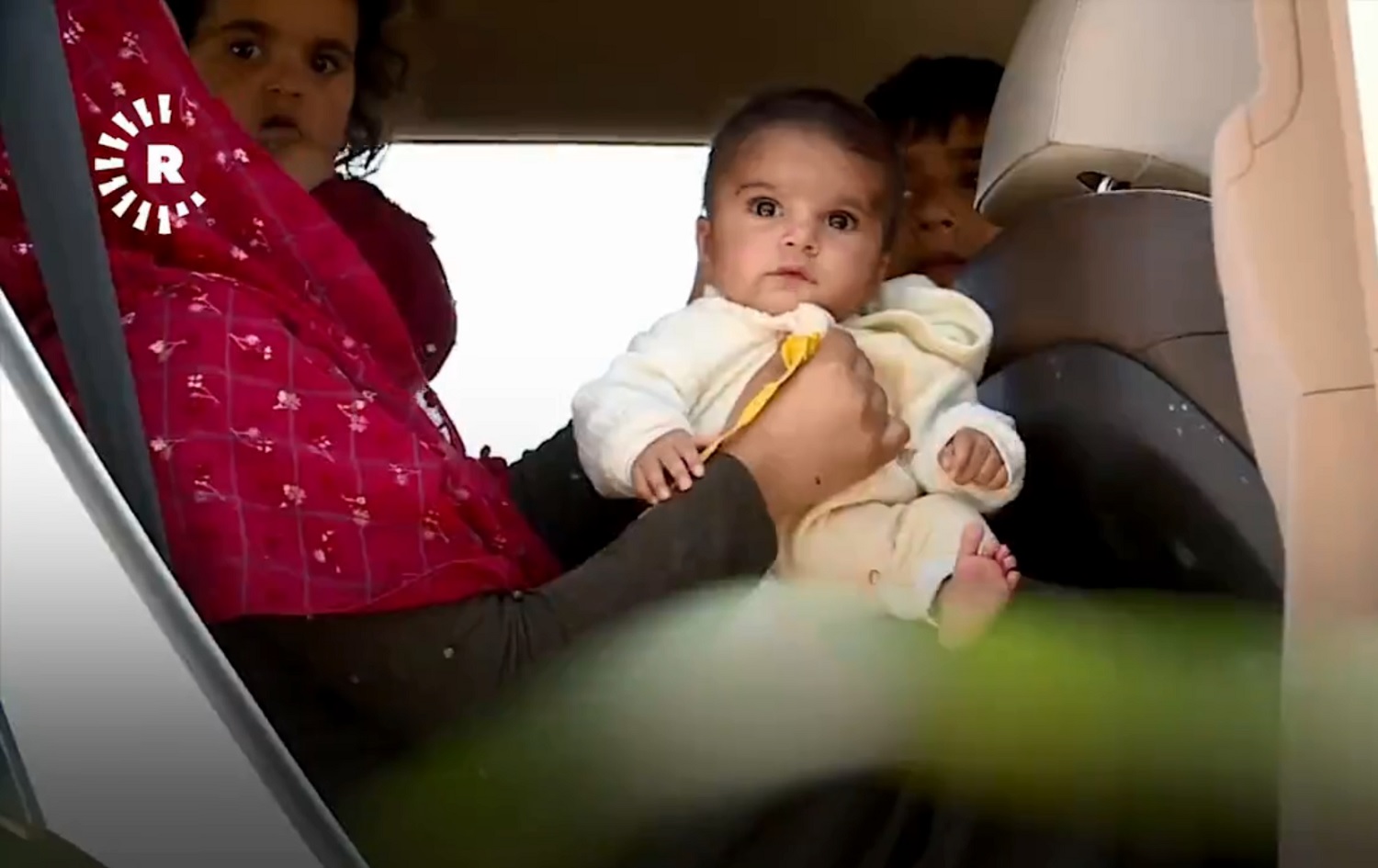
Coronavirus containment measures have left dozens of people trapped between checkpoints east of Erbil, unable to enter the city but also unable to leave.
For the last 4-5 days, more than a hundred civilians, soldiers, Asayesh personnel, and policemen have been left stranded at the Degala checkpoint, forced to sleep in their cars with limited access to food and water.
One end of the checkpoint is controlled by security forces loyal to the Kurdistan Democratic Party (KDP), the other end by security forces loyal to the Patriotic Union of Kurdistan (PUK).
Degala, like several other checkpoints between the rival spheres of influence, is a legacy of the four-year civil war between the two factions, which took place in the 1990s.
Although relations between the KDP and PUK have vastly improved since then, the rivals still maintain separate security forces, despite repeated efforts to fully integrate the Kurdistan Region’s defense apparatus.
As a result, rules are often inconsistent, contradictory, and maddeningly inefficient. Their failure to coordinate on the pandemic response has now left these travelers trapped in limbo.
Matters have been made worse by widespread public ignorance and disregard for containment rules.
Under the containment measures, military rotations had been suspended. However, many of the security forces personnel trapped at the checkpoint had apparently chosen to ignore the order.
Families with young children have also found themselves stuck at the checkpoint. Erbil Province Operations Room says it is working with the interior ministry to free them.
The Kurdistan Regional Government imposed restrictions on free movement within cities and between provinces in March.
Although designated key workers and members of the security forces are exempt from the ban, many people have continued to violate the measures, causing the virus to spread.
In mid-March, soon after the KRG closed its borders with federal Iraq, more than a hundred people were left stranded in the buffer zone between the Peshmerga and federal government checkpoints north of Mosul after the two sides failed to coordinate.
By Sarkawt Mohammed, with additional reporting by Ranja Jamal
11:23
Universities unlikely to reopen this academic year: minister
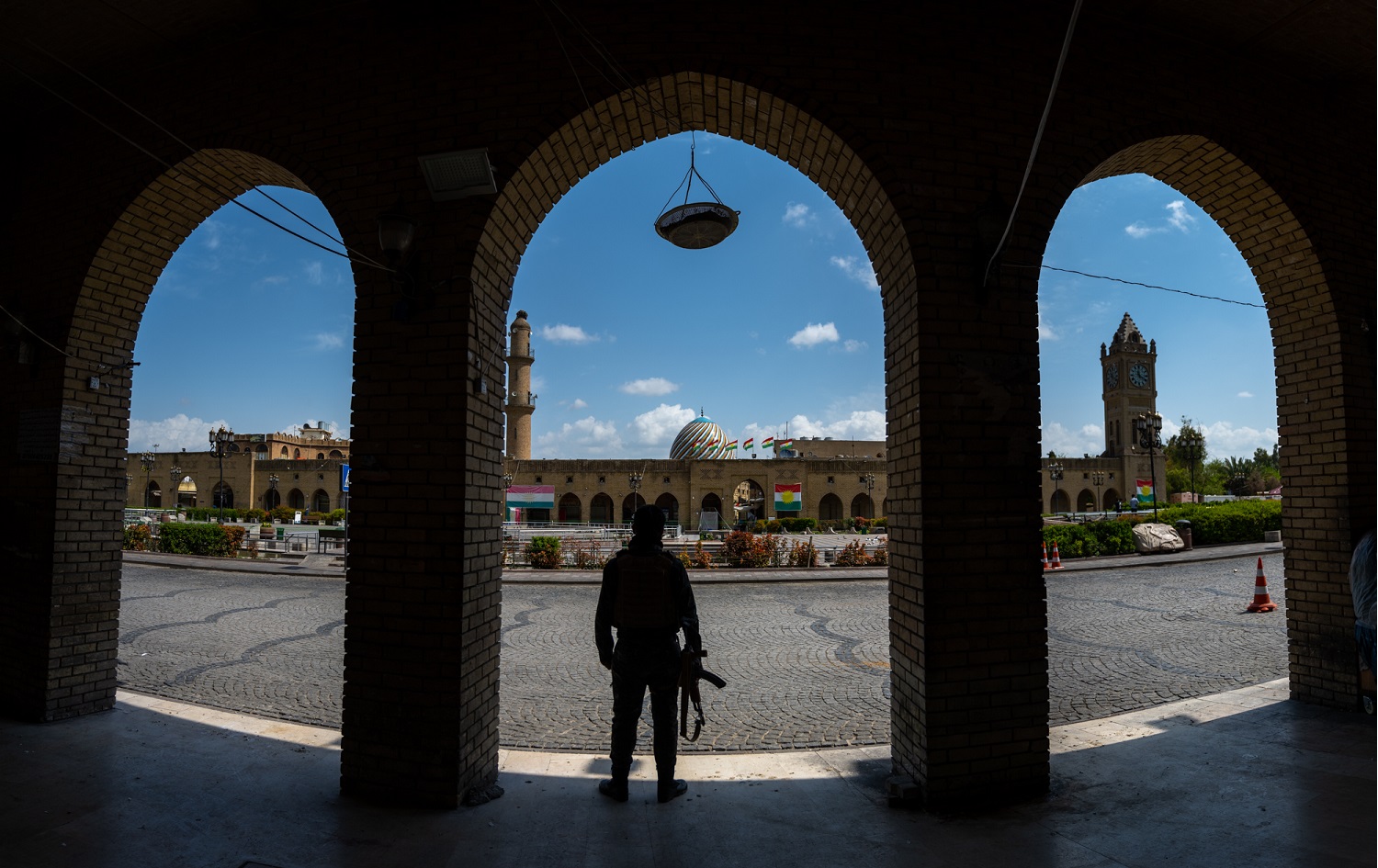
Photo: Bilind T. Abdullah / Rudaw
Universities in the Kurdistan Region are unlikely to resume studies before the end of the academic year due to the ongoing coronavirus lockdown, the higher education minister told Rudaw on Tuesday night.
The Kurdistan Regional Government (KRG) ordered the closure of schools and colleges in late February to help prevent the spread of coronavirus.
As cases of COVID-19 continue to rise, earlier hopes of reopening institutions in May are fading fast.
“Due to the coronavirus, indications on the ground are that we cannot resume studies,” Aram Mohammed said.
“On Wednesday, we will have a meeting of our ministry’s council. We are working with presidents of all the universities in order to precisely assess the situation.”
“We hope we will be able to resume the studies. But our top priority is to abide by the health instructions,” he added.
Other countries, where academic institutions have been closed to help contain the virus, have launched online and televised lessons to make sure students don’t have gaps in their education.
Many countries have postponed or canceled exams.
Mohammed indicated the Kurdistan Region is unlikely to launch an e-learning platform of its own because many students do not own a personal computer.
“We have good resources at government and private universities to embark on e-learning. There is only one problem – some of the students, because of their financial status, might not have access to a smartphone, tablet, iPad, or a computer,” the minister said.
By contrast, the Iraqi Ministry of Higher Education and Scientific Research adopted an e-learning system just a month after the federal government shut down schools.
By Zhelwan Z. Wali
11:17
April 8: Latest COVID-19 updates from the Kurdistan Region and beyond
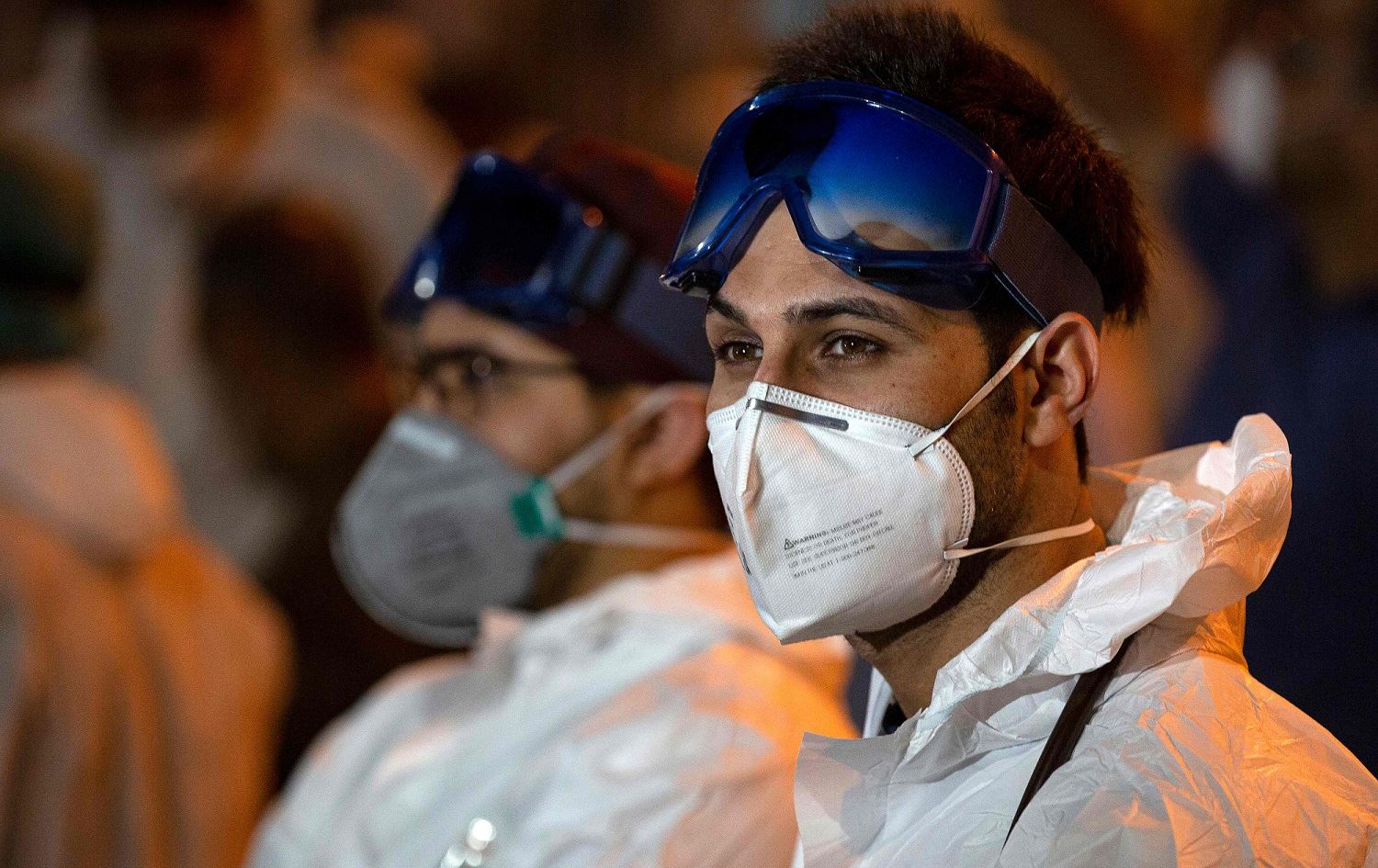
Iraqi health personnel in Basra, southern Iraq, April 07, 2020. Photo: Hussein Faleh / AFP
How are you coping under the lockdown? Send your comments and photos to our Facebook and Twitter pages.
The Kurdistan Regional Government advises anyone in the Kurdistan Region displaying coronavirus symptoms to call its emergency hotline on 122. This service is available in Kurdish and Arabic 24 hours a day, 7 days a week. More information can be found on the government’s website.
Catch up on past updates here