
ERBIL, Kurdistan Region - The US Central Command (CENTCOM) said on Friday that American forces had “disabled” two vessels attempting to enter an Iranian port in violation of a naval blockade Washington imposed on the Islamic republic in mid-April amid the ongoing regional conflict.
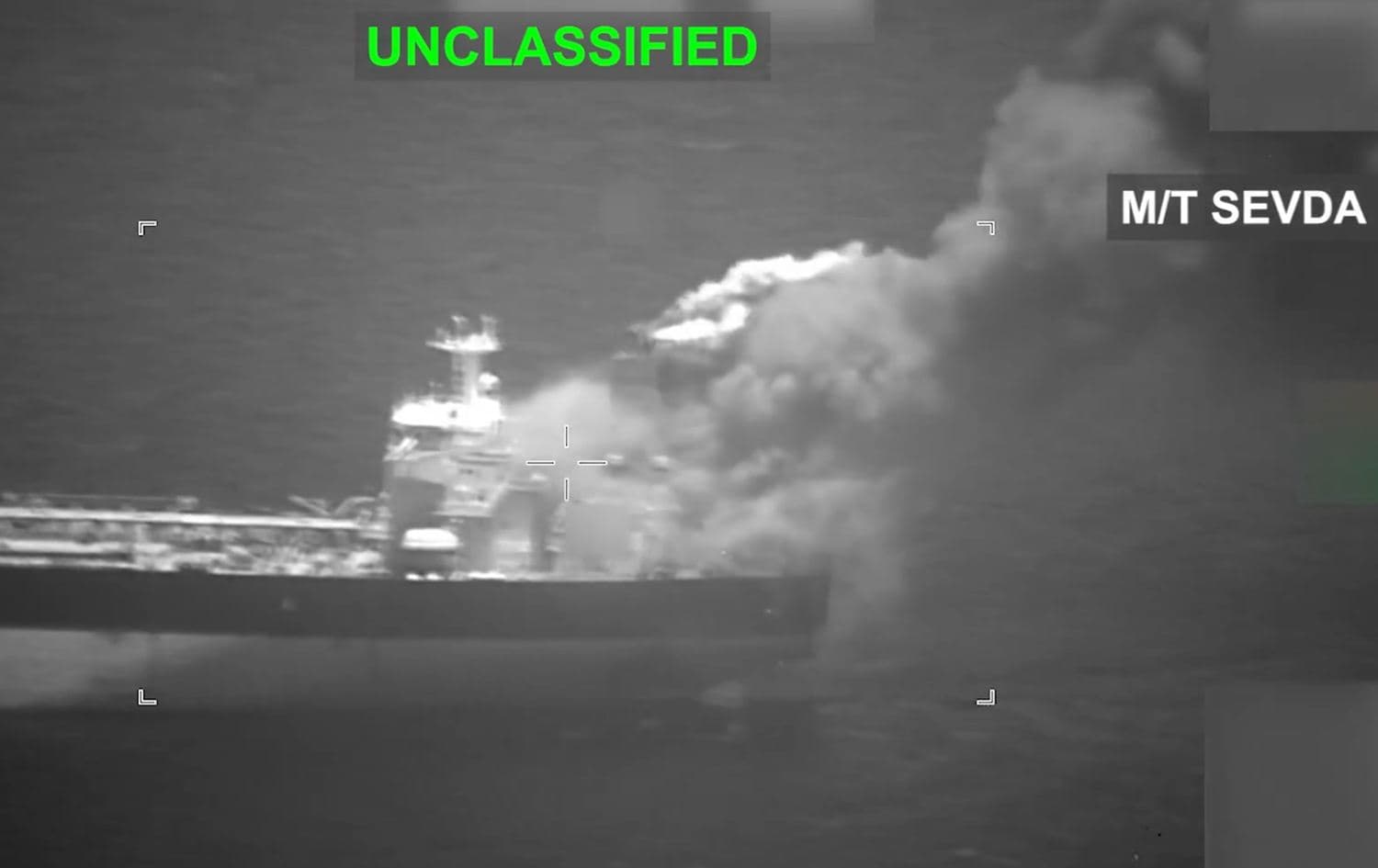
“U.S. forces disabled M/T Sea Star III and M/T Sevda on May 8 prior to both vessels entering an Iranian port on the Gulf of Oman in violation of the ongoing U.S. blockade,” CENTCOM said in a statement.
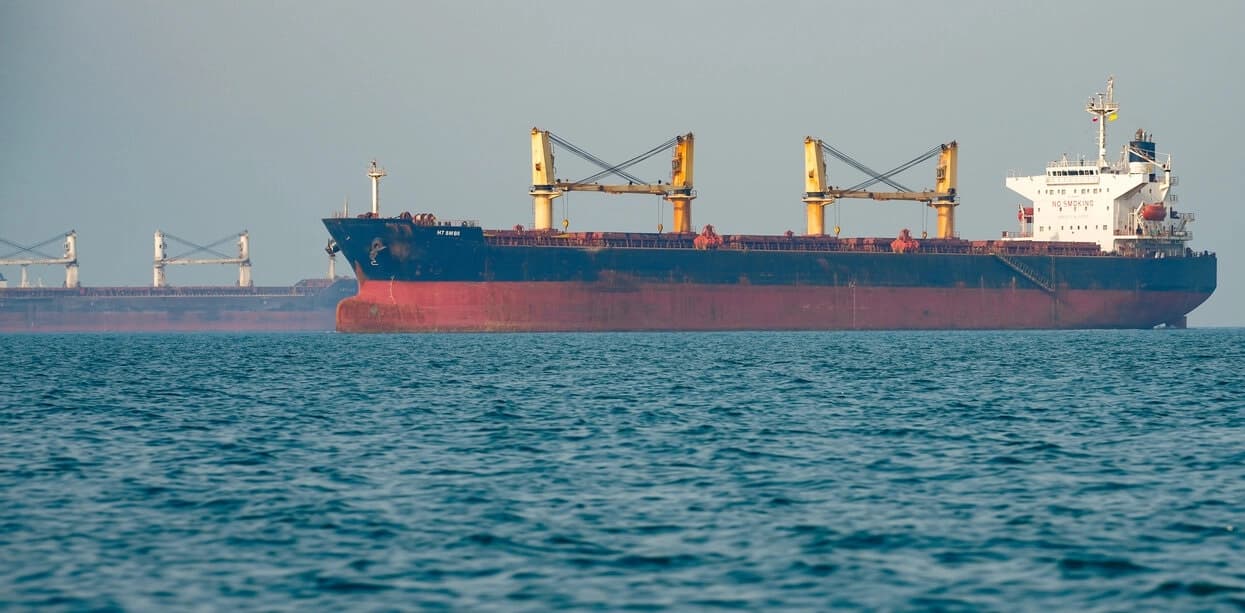
The command said the two Iranian-flagged oil tankers were intercepted while attempting to dock at an Iranian port on the Gulf of Oman.
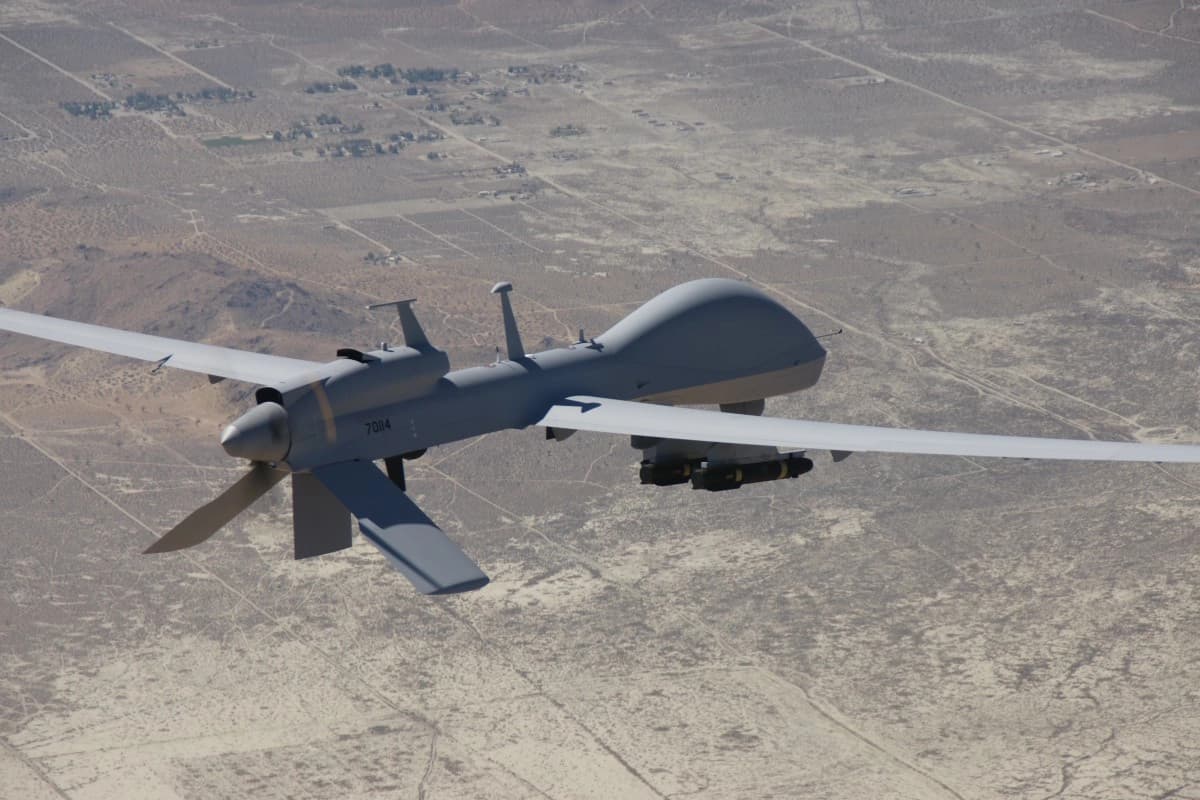
“U.S. Central Command (CENTCOM) enforced blockade measures against two Iranian-flagged unladen oil tankers attempting to pull into an Iranian port on the Gulf of Oman. A U.S. Navy F/A-18 Super Hornet from USS George H.W. Bush (CVN 77) disabled both tankers after firing precision munitions into their smokestacks, preventing the non-compliant ships from entering Iran,” the statement added.
“U.S. forces in the Middle East remain committed to full enforcement of the blockade of vessels entering or leaving Iran,” CENTCOM commander Adm. Brad Cooper said. “Our highly trained men and women in uniform are doing incredible work.”
According to CENTCOM, multiple commercial vessels have been “disabled,” while more than 50 others have been redirected by US forces to “ensure compliance” with the blockade.
The escalation came as Iran said it was still reviewing a US proposal aimed at ending the conflict.
Hours before the CENTCOM announcement, Iranian Foreign Minister Abbas Araghchi accused Washington of resorting to “reckless military adventure” whenever a diplomatic solution appeared within reach.
Meanwhile, the Iranian military accused the United States on Friday of “violating the ceasefire” by targeting two vessels near the Strait of Hormuz and striking what it described as “civilian areas” in the southern province of Hormozgan.
The accusations came after CENTCOM said its forces had intercepted “unprovoked Iranian attacks” near the Strait of Hormuz, while US President Donald Trump warned that a stronger response would follow if a deal was not reached “fast.”
The United States and Israel launched a large-scale aerial campaign against Iran on February 28, striking more than 17,000 sites across the country during six weeks of hostilities before the sides agreed to a Pakistan-mediated ceasefire on April 8. The truce halted the fighting and paved the way for negotiations.