
Tehran has long accused the Kurdistan Regional Government (KRG) of harboring opposition groups it considers “terrorists” and allowing them to use the border areas as a launchpad for attacks against Iran.
In March, Iran and Iraq signed a border protection deal, in which Baghdad agreed to a September 19 deadline to disarm the Kurdish opposition groups and secure the border regions. The Iranian military in July threatened to use military action if Baghdad fails to meet the deadline.
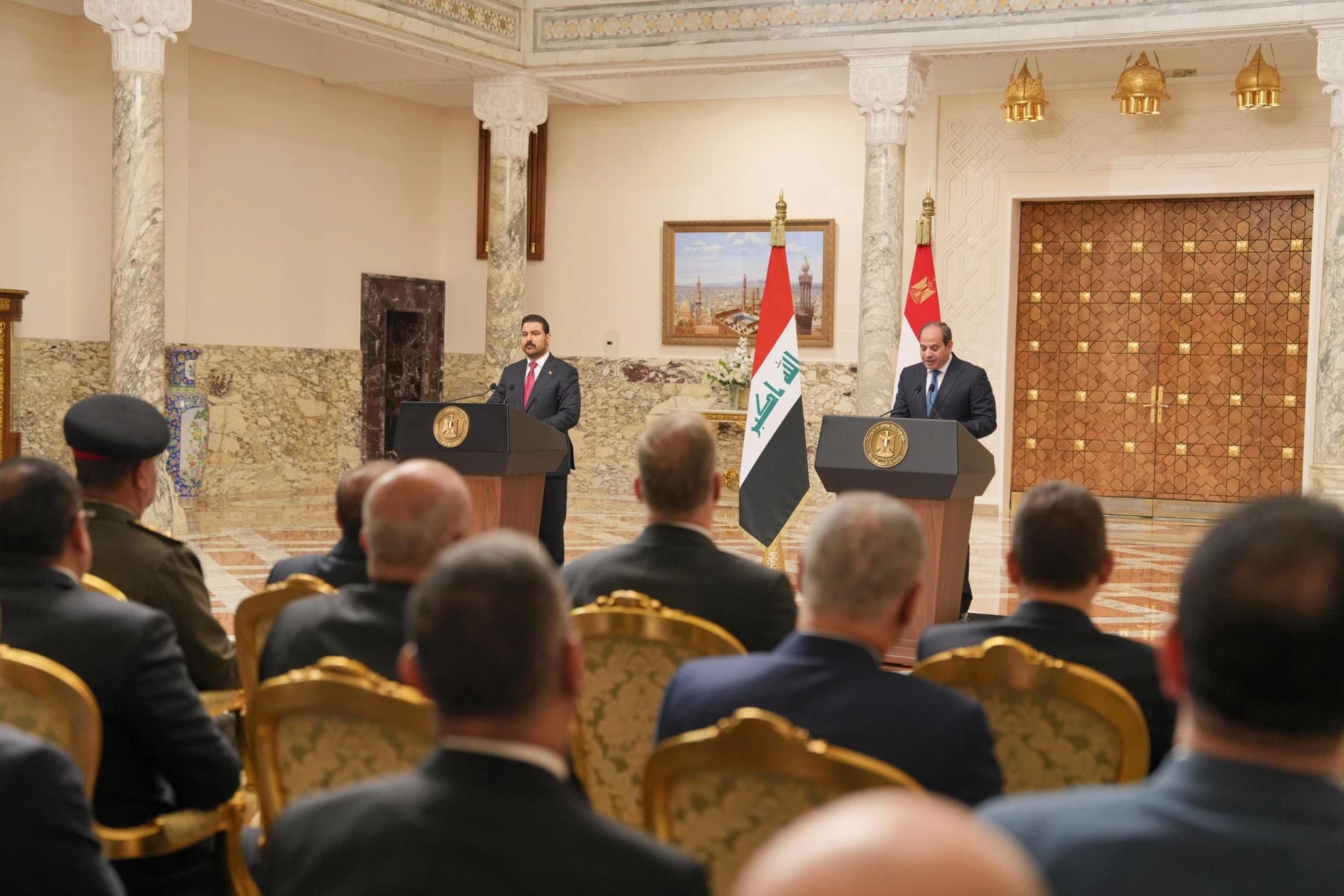
Kurdistan Region President Nechirvan Barzani and Prime Minister Masrour Barzani on Monday met with Iran's ambassador to Iraq Mohammad Kazem Al-e Sadeq in Erbil separately. President Barzani reiterated the Region’s commitment to the security agreement signed between Tehran and Baghdad, according to a statement from the Presidency.
“The President assured that they will not allow any security threat from the Kurdistan Region to the Islamic Republic of Iran,” the statement noted.
The statement from PM Barzani’s office on the meeting did not mention the two discussing security issues.
During a phone call with Iraqi Prime Minister Mohammed Shia’ al-Sudani on Saturday, Iranian President Ebrahim Raisi described the presence of Kurdish opposition groups on the Iran-Iraq border as “intolerable” and a threat against Iran’s national security.
“The deadline [for disarming the groups] will not be extended in any way,” Nasser Kanaani, spokesperson for the Iranian foreign ministry, told reporters on Monday, “fortunately, the Iraqi government has taken good measures and emphasized that it is sticking to its commitment to the agreement.”
Bafel Talabani, leader of the Patriotic Union of Kurdistan (PUK), met with Iranian Foreign Minister Hossein Amir-Abdollahian in Tehran on Monday, stressing the PUK’s commitment to “stability and coexistence” in the region.
“Our goal is to achieve stability and coexistence in the region, for which we support responsible dialogue and understanding and believe that this is the only way to overcome the problems and achieve national goals,” a statement from Talabani’s office cited the PUK leader as saying during the meeting.
Kanaani claimed that Talabani’s visit to Tehran and meetings with Iranian officials has nothing to do with the border-security pact nor its deadline.
The PUK leader also met with Iran's parliamentary speaker Mohammad Bagher Ghalibaf on Sunday, expressing hope that the two sides would prioritize the region’s security and work together towards achieving shared interests, according to a statement from his office.
Iranian-Kurdish opposition groups based in the Kurdistan Region - namely the Kurdistan Democratic Party of Iran (KDPI), Komala, Free Life Party of Kurdistan (PJAK), and the Kurdistan Freedom Party (PAK) - have been accused of fueling the nationwide protest movement in Iran last year and inciting unrest in the country. The groups, struggling for greater rights for Iran’s marginalised Kurdish population, have fought an on-and-off war with the Islamic Republic.
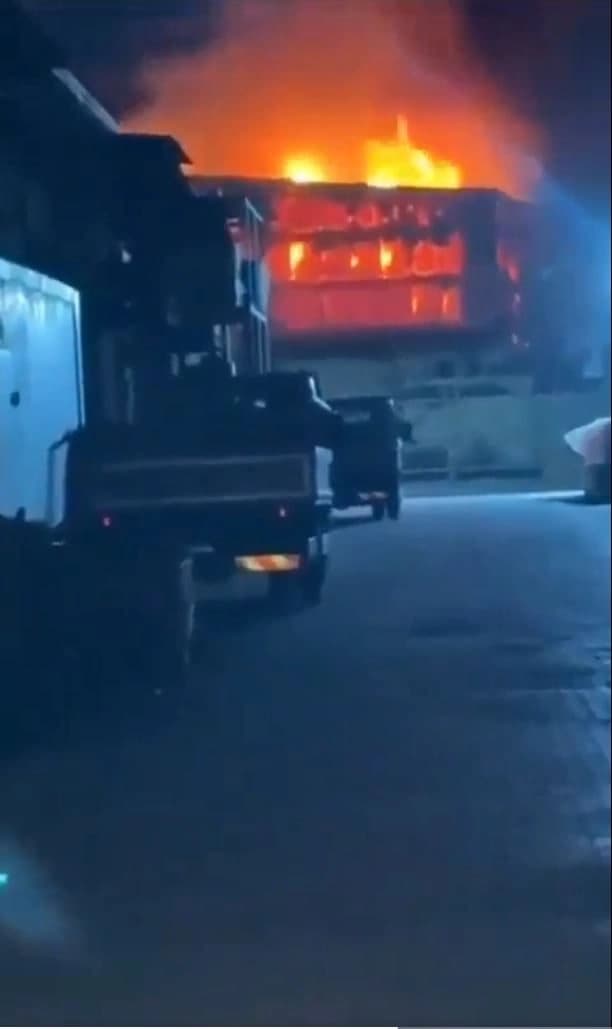
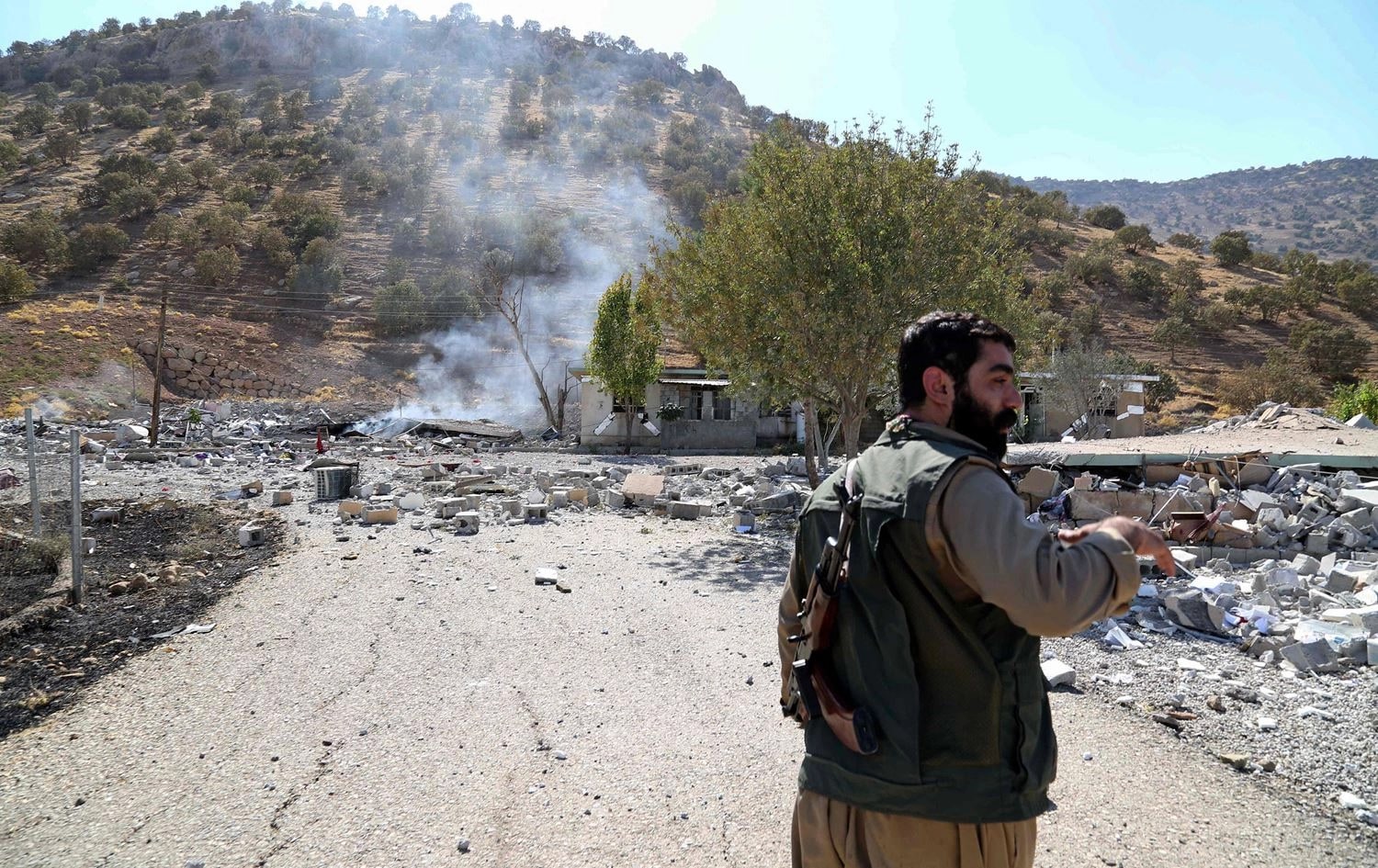
Iranian armed forces have carried out many attacks on the alleged positions of these groups, including using both ballistic missiles and drones.
The KRG, which has cordial relations with Tehran, has on several occasions called on neighboring countries and armed Kurdish groups to not use the Region’s land as an arena to settle scores.