


Middle East

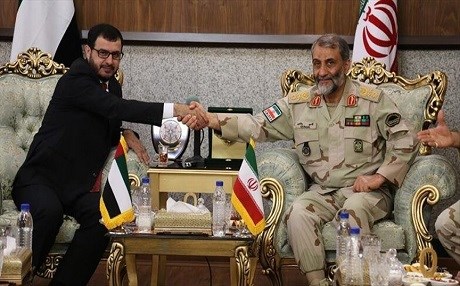
A delegation from the United Arab Emirates (UAE) held talks with Iranian counterparts in Tehran, Iran, on July 30, 2019. Photo: ISNA
TEHRAN, Iran — Officials from the United Arab Emirates and Iran met to discuss maritime security for the first time in six years amid a spike in tensions in the Persian Gulf, both countries confirmed on Wednesday.
The meeting is significant because the UAE and Iran are regional rivals. The UAE downgraded ties with Iran in 2016 and has long pushed for more hawkish U.S. policies toward Tehran, including supporting tough American sanctions.
The UAE and its close ally, Saudi Arabia, have also been at war against Iran-aligned rebels in Yemen since 2015. In recent weeks, though, the UAE has pulled out thousands of its troops from Yemen as it boosts security at home.
Recent confrontations in the Strait of Hormuz, a crucial oil shipping corridor, and fears of a wider conflict have prompted the UAE to call for de-escalation and diplomacy with Iran.
Four oil tankers were sabotaged off the UAE coast in May. The UAE has declined to join Washington in blaming Iran for the attacks, which Tehran denies.
Earlier this month, Iran seized an Emirati-based ship it accused of illegally smuggling subsidized Iranian fuel abroad.
A day later, Iran seized a British-flagged oil tanker in the Strait of Hormuz in what some Iranian officials have suggested was retaliation for the seizure of an Iranian tanker by British authorities in Gibraltar.
An Emirati official said the Iran-UAE meeting focused on issues related to border security and navigation in shared waters, describing the talks as “nothing new” and unrelated to current tensions.
The official said there were periodic meetings scheduled between technical teams in both countries and this was the sixth one to take place. The official was not authorized to discuss the talks with reporters and so spoke on condition of anonymity.
The state-run IRAN daily reported that a seven-member delegation from Abu Dhabi met with Iranian border and coastguard commanders in Tehran on Tuesday in the first such meeting since 2013.
Another daily, Etemad, described the meeting as an effort to boost maritime security cooperation between the two countries. It reported that the Emirati delegation met Iran’s police border guard commander, Gen. Ghasem Rezaei.
Despite pursuing rival policies in the region, the UAE and Iran have maintained links. The UAE has kept its embassy in Iran open and Dubai remains a popular destination for Iranian tourists. Emirati citizens with Iranian heritage also maintain links with Iran, which operates a hospital, cultural club and school in Dubai.
News of the visit to Iran sparked a regional Twitter hashtag that read in Arabic: “Saudi Arabia discovers the Emirates’ betrayal.” It drew more than 73,000 tweets, but loyalists of both the Saudi and the UAE government quickly flooded the hashtag with videos and messages about the two countries’ historic and fraternal ties.
Tensions in the region have soared since the Trump administration withdrew from Iran’s nuclear deal with world powers last year and imposed crippling sanctions on the country.
In recent months, the U.S. has boosted its military presence in the Persian Gulf while Iran has begun openly exceeding limits on its nuclear activities, saying it can no longer fully abide by the 2015 deal unless European signatories to the agreement provide some kind of economic relief.
On Wednesday, Iran dismissed Secretary of State Mike Pompeo’s offer to visit and address the Iranian people as a “hypocritical gesture.”
“You don’t need to come to Iran,” Foreign Minister Mohammad Javad Zarif said on the sidelines of a Cabinet meeting in remarks directed at Pompeo. He suggested Pompeo instead grant visas for Iranian reporters to travel to the U.S. and interview him, accusing him of having rejected their requests.
On Monday, Pompeo had tweeted: “We aren’t afraid of (Zarif) coming to America where he enjoys the right to speak freely.”
“Are the facts of the (Khamenei) regime so bad he cannot let me do the same thing in Tehran?” Pompeo said, referring to Supreme Leader Ayatollah Ali Khamenei. “What if his people heard the truth, unfiltered, unabridged?”
The Trump administration has said its policies are aimed at changing Iran’s behavior in the region, not its government.
Zarif, a relative moderate within Iran’s clerically-overseen political system, was an architect of the nuclear agreement. The U.S. and Iran cut off all diplomatic relations after the 1979 Islamic Revolution, but the U.S. allows Iranian officials to visit the United Nations headquarters in New York.
The meeting is significant because the UAE and Iran are regional rivals. The UAE downgraded ties with Iran in 2016 and has long pushed for more hawkish U.S. policies toward Tehran, including supporting tough American sanctions.
The UAE and its close ally, Saudi Arabia, have also been at war against Iran-aligned rebels in Yemen since 2015. In recent weeks, though, the UAE has pulled out thousands of its troops from Yemen as it boosts security at home.
Recent confrontations in the Strait of Hormuz, a crucial oil shipping corridor, and fears of a wider conflict have prompted the UAE to call for de-escalation and diplomacy with Iran.
Four oil tankers were sabotaged off the UAE coast in May. The UAE has declined to join Washington in blaming Iran for the attacks, which Tehran denies.
Earlier this month, Iran seized an Emirati-based ship it accused of illegally smuggling subsidized Iranian fuel abroad.
A day later, Iran seized a British-flagged oil tanker in the Strait of Hormuz in what some Iranian officials have suggested was retaliation for the seizure of an Iranian tanker by British authorities in Gibraltar.
An Emirati official said the Iran-UAE meeting focused on issues related to border security and navigation in shared waters, describing the talks as “nothing new” and unrelated to current tensions.
The official said there were periodic meetings scheduled between technical teams in both countries and this was the sixth one to take place. The official was not authorized to discuss the talks with reporters and so spoke on condition of anonymity.
The state-run IRAN daily reported that a seven-member delegation from Abu Dhabi met with Iranian border and coastguard commanders in Tehran on Tuesday in the first such meeting since 2013.
Another daily, Etemad, described the meeting as an effort to boost maritime security cooperation between the two countries. It reported that the Emirati delegation met Iran’s police border guard commander, Gen. Ghasem Rezaei.
Despite pursuing rival policies in the region, the UAE and Iran have maintained links. The UAE has kept its embassy in Iran open and Dubai remains a popular destination for Iranian tourists. Emirati citizens with Iranian heritage also maintain links with Iran, which operates a hospital, cultural club and school in Dubai.
News of the visit to Iran sparked a regional Twitter hashtag that read in Arabic: “Saudi Arabia discovers the Emirates’ betrayal.” It drew more than 73,000 tweets, but loyalists of both the Saudi and the UAE government quickly flooded the hashtag with videos and messages about the two countries’ historic and fraternal ties.
Tensions in the region have soared since the Trump administration withdrew from Iran’s nuclear deal with world powers last year and imposed crippling sanctions on the country.
In recent months, the U.S. has boosted its military presence in the Persian Gulf while Iran has begun openly exceeding limits on its nuclear activities, saying it can no longer fully abide by the 2015 deal unless European signatories to the agreement provide some kind of economic relief.
On Wednesday, Iran dismissed Secretary of State Mike Pompeo’s offer to visit and address the Iranian people as a “hypocritical gesture.”
“You don’t need to come to Iran,” Foreign Minister Mohammad Javad Zarif said on the sidelines of a Cabinet meeting in remarks directed at Pompeo. He suggested Pompeo instead grant visas for Iranian reporters to travel to the U.S. and interview him, accusing him of having rejected their requests.
On Monday, Pompeo had tweeted: “We aren’t afraid of (Zarif) coming to America where he enjoys the right to speak freely.”
“Are the facts of the (Khamenei) regime so bad he cannot let me do the same thing in Tehran?” Pompeo said, referring to Supreme Leader Ayatollah Ali Khamenei. “What if his people heard the truth, unfiltered, unabridged?”
The Trump administration has said its policies are aimed at changing Iran’s behavior in the region, not its government.
Zarif, a relative moderate within Iran’s clerically-overseen political system, was an architect of the nuclear agreement. The U.S. and Iran cut off all diplomatic relations after the 1979 Islamic Revolution, but the U.S. allows Iranian officials to visit the United Nations headquarters in New York.
Reporting by Amir Vahdat and Aya Batrawy


Comments
Rudaw moderates all comments submitted on our website. We welcome comments which are relevant to the article and encourage further discussion about the issues that matter to you. We also welcome constructive criticism about Rudaw.
To be approved for publication, however, your comments must meet our community guidelines.
We will not tolerate the following: profanity, threats, personal attacks, vulgarity, abuse (such as sexism, racism, homophobia or xenophobia), or commercial or personal promotion.
Comments that do not meet our guidelines will be rejected. Comments are not edited – they are either approved or rejected.
Post a comment