


ERBIL, Kurdistan Region - Iran has officially announced that it will not send pilgrims to the Hajj in Saudi Arabia this year after a bilateral meeting held between Tehran and Riyadh to end tensions between the two was "sabotaged" by the Saudis on Saturday.
“Unfortunately, Iranian pilgrims cannot go to Hajj this year,” announced Ali Jannati, Iran's minister of culture and Islamic guidance, according to the Iranian state-run IRNA news agency.
“We did whatever we could but it was the Saudis who sabotaged it,” he said.
Jannati also said negotiations between Iran and Saudi Arabia were meant to resolve the issue of security during the Hajj, but failed to make any headway, according to the agency.
This decision made by the Iranian authorities is the latest sign of tensions between the two rival countries in the Middle East following a disaster during the event last year that killed at least 2,426 people, among them hundreds of Iranian pilgrims.
The decision also followed months of talks over how Iranians could obtain Saudi visas after Riyadh severed diplomatic ties with Iran in January. The break was a response to attacks on Saudi diplomatic compounds in Iran by people angry with the kingdom’s execution of a prominent Shiite cleric and activist, Sheikh Nimr al-Nimr.
However, on Thursday, Saudi Arabia blamed Iran for the escalation of the row and said "the kingdom is honored to serve Muslims of all nationalities as guests at holy sites in Mecca and Medina, where pilgrims carry out religious rites and prayers during the hajj season, as well as year-round," according to a statement issued by the state-run Saudi Press Agency.
Tensions between the two longtime rivals soared after Sunni-led Saudi Arabia executed a prominent Saudi Shiite cleric on January 2nd. Sheikh Nimr al-Nimr was convicted on a string of charges, including sowing dissent and stirring violent anti-government protests in the predominantly Shiite east of Saudi Arabia.
Iran has boycotted the Hajj before. In 1987, demonstrating Iranian pilgrims battled Saudi riot police in clashes that killed at least 402 people. Iran claimed 600 of its pilgrims were killed and said police fired machine guns at the crowd. Iran did not send pilgrims to the Hajj in 1988 and 1989.
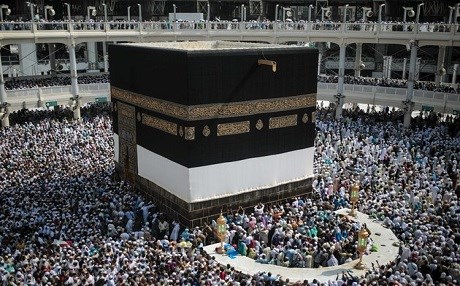
Millions of devout Muslims will travel to Mecca for the annual Hajj pilgrimage in September.
“Unfortunately, Iranian pilgrims cannot go to Hajj this year,” announced Ali Jannati, Iran's minister of culture and Islamic guidance, according to the Iranian state-run IRNA news agency.
“We did whatever we could but it was the Saudis who sabotaged it,” he said.
Jannati also said negotiations between Iran and Saudi Arabia were meant to resolve the issue of security during the Hajj, but failed to make any headway, according to the agency.
This decision made by the Iranian authorities is the latest sign of tensions between the two rival countries in the Middle East following a disaster during the event last year that killed at least 2,426 people, among them hundreds of Iranian pilgrims.
The decision also followed months of talks over how Iranians could obtain Saudi visas after Riyadh severed diplomatic ties with Iran in January. The break was a response to attacks on Saudi diplomatic compounds in Iran by people angry with the kingdom’s execution of a prominent Shiite cleric and activist, Sheikh Nimr al-Nimr.
However, on Thursday, Saudi Arabia blamed Iran for the escalation of the row and said "the kingdom is honored to serve Muslims of all nationalities as guests at holy sites in Mecca and Medina, where pilgrims carry out religious rites and prayers during the hajj season, as well as year-round," according to a statement issued by the state-run Saudi Press Agency.
Tensions between the two longtime rivals soared after Sunni-led Saudi Arabia executed a prominent Saudi Shiite cleric on January 2nd. Sheikh Nimr al-Nimr was convicted on a string of charges, including sowing dissent and stirring violent anti-government protests in the predominantly Shiite east of Saudi Arabia.
Iran has boycotted the Hajj before. In 1987, demonstrating Iranian pilgrims battled Saudi riot police in clashes that killed at least 402 people. Iran claimed 600 of its pilgrims were killed and said police fired machine guns at the crowd. Iran did not send pilgrims to the Hajj in 1988 and 1989.
Millions of devout Muslims will travel to Mecca for the annual Hajj pilgrimage in September.
Comments
Rudaw moderates all comments submitted on our website. We welcome comments which are relevant to the article and encourage further discussion about the issues that matter to you. We also welcome constructive criticism about Rudaw.
To be approved for publication, however, your comments must meet our community guidelines.
We will not tolerate the following: profanity, threats, personal attacks, vulgarity, abuse (such as sexism, racism, homophobia or xenophobia), or commercial or personal promotion.
Comments that do not meet our guidelines will be rejected. Comments are not edited – they are either approved or rejected.
Post a comment