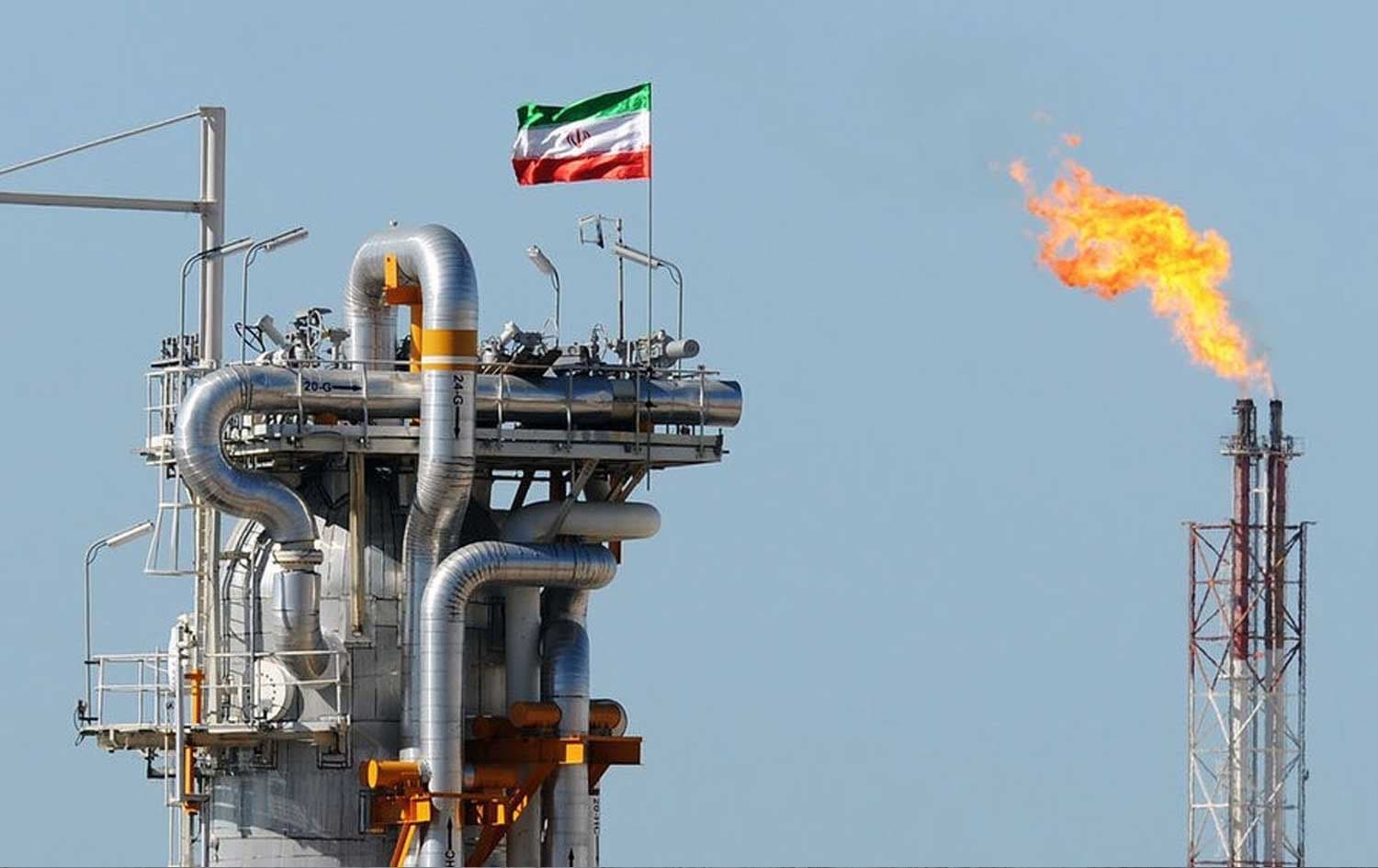
ERBIL, Kurdistan Region - Iraq’s electricity ministry said Sunday that Iranian gas exports to the country are continuing despite escalating regional tensions involving Tehran, Washington, and Tel Aviv.
“Iran's gas export to Iraq has not stopped and is as it was. The export process is through the joint pipelines between the two countries,” Ahmed Mousa, the electricity ministry’s spokesperson, told Rudaw.
The statement came as the Kurdistan Regional Government (KRG) announced Saturday that electricity supply in the Kurdistan Region is expected to drop by between 2,500 and 3,000 megawatts after operations were suspended at the strategic Khor Mor gas field in Sulaimani province. The field’s operator halted work to ensure staff safety.
Khor Mor previously came under a drone attack in November, prompting a temporary shutdown that immediately reduced the Kurdistan Region’s power generation by nearly 80 percent.
The KRG announcement followed strikes launched earlier Saturday by the United States and Israel against Iran, triggering retaliation that affected several countries across the Middle East, including Israel, Saudi Arabia, Qatar, the United Arab Emirates, Bahrain, Kuwait, and the Kurdistan Region, according to Iranian state media.
Iran and Iraqi armed groups that support it targeted US bases in Erbil on Saturday and Sunday, while two people were killed in an attack on a base belonging to the Popular Mobilization Forces (PMF) in Babil on Saturday. Diyala was struck on Sunday.
Iranian gas exports to Iraq had previously been suspended on January 24, cutting off a major fuel source for the country’s electricity generation. The halt significantly strained the national grid at a time of rising demand. Supplies resumed on February 26 at a rate of 7 million cubic meters per day.
According to the electricity ministry, the suspension resulted in the loss of more than 5,500 megawatts of power. Iraq’s current electricity production stands at around 17,000 megawatts, while demand during peak summer months exceeds 30,000 megawatts.
Iraq has long struggled with chronic electricity shortages, particularly during the summer and winter when consumption spikes. While the country typically produces between 20,000 and 25,000 megawatts under normal conditions, it requires nearly 54,000 megawatts to ensure uninterrupted electricity nationwide, according to the ministry.