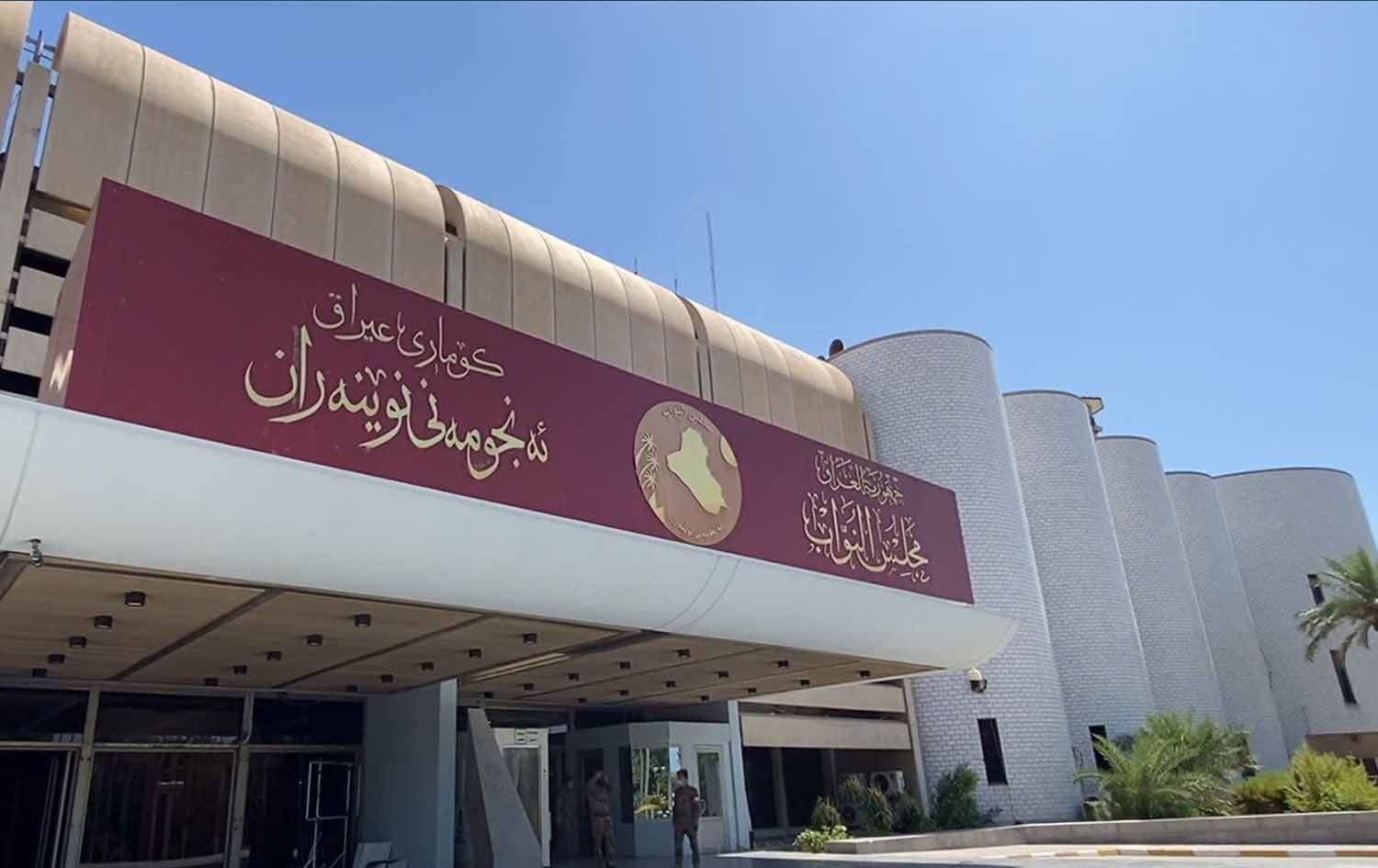

ERBIL, Kurdistan Region - Iraq’s parliament is expected to vote Saturday on a controversial freedom of expression bill that imposes penalties for hate speech and insults to religious sects, bans protests during night hours, and prohibits gatherings near hospitals, schools, and government offices. The legislation has drawn criticism from within the parliament.
“The bill is highly controversial and will not pass without an agreement,” Kurdish member of parliament Srwa Mohammed told Rudaw on Friday.
The bill, which was seen by Rudaw, consists of 17 articles that address freedom of expression, including in writing and taking photographs. The parliament’s human rights committee has attached extensive comments, calling for amendments or removal of numerous sections.
The bill defines peaceful demonstration as “the gathering of citizens to express opinions or demand rights recognized by law.” It requires demonstrators to obtain prior permission from local authorities at least five days in advance for public gatherings, though private indoor events do not need approval. If permission is denied, organizers may appeal to the courts.
The human rights committee has proposed that public organizers only be required to notify authorities rather than seek permission. It also suggests recognizing “spontaneous gatherings,” which are held in response to sudden events and cannot be postponed.
In terms of location, the bill bans demonstrations on public roads and near schools, hospitals, universities, places of worship, and government offices. It also prohibits slogans or chants that are considered offensive to public morals or the political system - phrases the committee wants removed because they are vague and restrictive.
Protests are also banned between 10 pm and 7 am under the bill, though the committee has called for eliminating the time restriction altogether. It further proposes prohibiting demonstrators from covering their faces with masks or scarves.
The legislation imposes criminal penalties for violations. Anyone calling for war, terrorism, or ethnic, racial, or sectarian hatred could face up to 10 years in prison. Those who desecrate or insult religious symbols or sites could face a minimum of one year in prison and a fine of one million dinars. The committee has requested that such offenses be handled under the penal code instead.
The bill designates Iraq’s Independent High Electoral Commission as the authority to receive complaints from citizens who are denied access to information.