The Iraqi Army said it came under a surprise attack, near the town of Tarmiya, around 25 kilometers north of Baghdad. The Islamic State (ISIS) also claimed responsibility for the attack.
ISF's media cell also reported that the Iraqi forces were from Anbar.
An ISIS propaganda group on Telegram claimed the attack, saying they led an ambush with a roadside bomb and later used gunfire.
"All terrorist elements were killed," stated the ISF. It detailed that after the deaths of the "three terrorists" follow-up investigations will continue.
The town of Tarmiya in Anbar — Iraq's largest province — lies on the border with Baghdad province.
ISIS was declared defeated by then Prime Minister Haider al-Abadi more than 18 months ago.
Remnants of the extremists are active in northern Iraq, particularly in disputed areas of Nineveh, Kirkuk, Saladin, and Diyala provinces, but incidents of the group conducting attacks near the Iraqi capital are rare.
The group seems to be targeting mukhtars (local neighborhood or village chieftains) particularly in Mosul, the country's second-largest city.
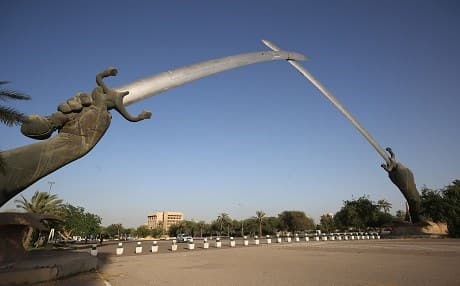
Iraqi PM Adil Abdul-Mahdi announced last week that the Green Zone in the capital would relax its security on Tuesday because of improved security. The area, where many diplomatic missions and government offices are located, has seen an improvement in security, according to the premier.
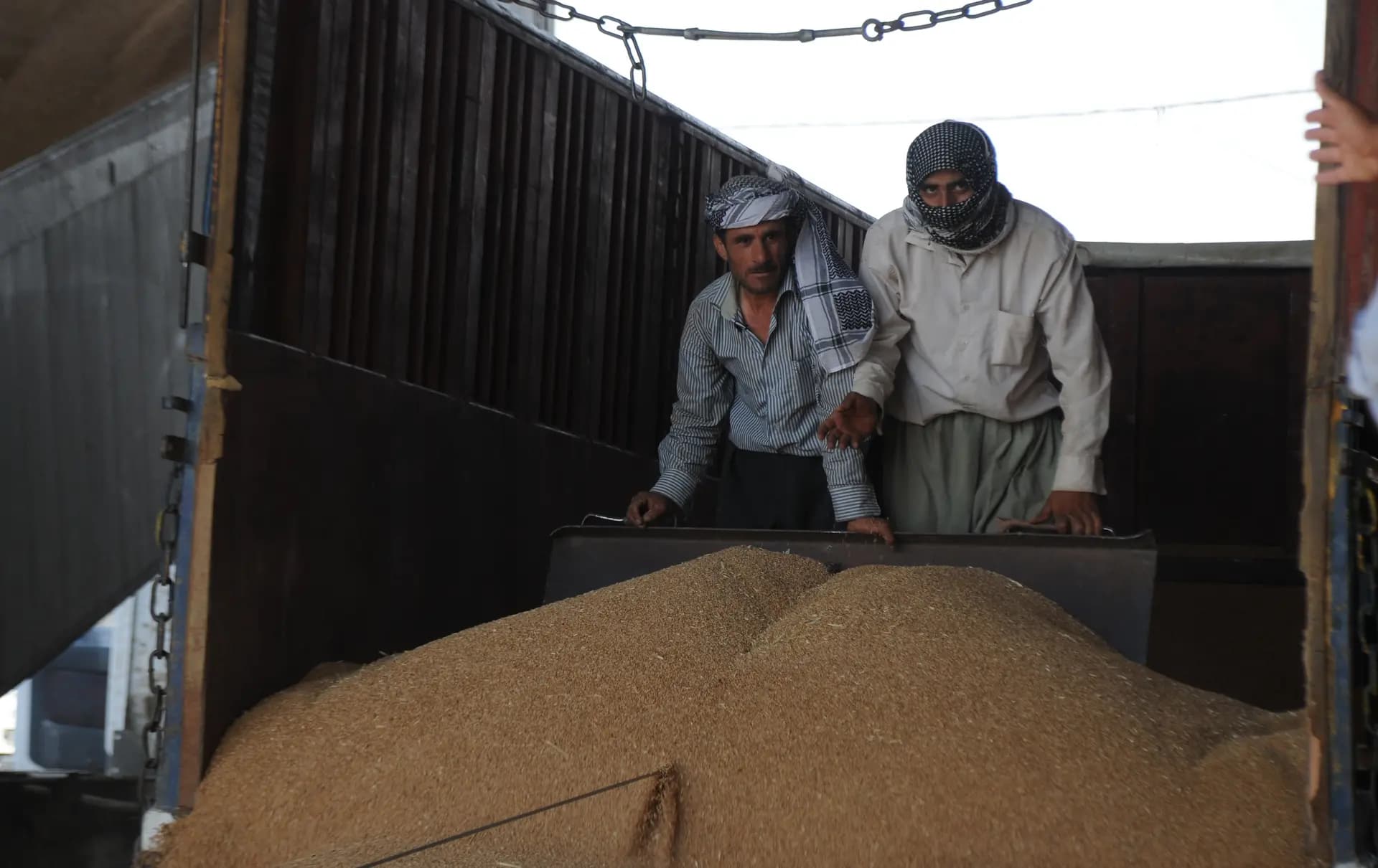
To the east, the extremists have targeted civilians in a Ramadan bombing in Kirkuk city on Thursday night and burned thousands of dunams of crop fields in and around the disputed province throughout May.
Abdul-Mahdi told his National Security Council on Sunday that better cooperation is needed between Iraqi and Peshmerga forces in the disputed areas like Kirkuk.
Poor relations between the government of former Iraqi PM Nouri al-Maliki and provincial officials set the conditions for ISIS to control about a quarter of Iraq in 2014 as they threatened to overrun Iraq and Kurdistan Region's capitals.