
ERBIL, Kurdistan Region - Iraq is set to receive the final shipment of gasoline from abroad following a recent government ban on fuel import as the country’s production has reached self-sufficiency level, a senior Iraqi official told Rudaw on Monday.
Abdulsahib Bazoon, spokesperson for the federal oil ministry, stated that "one of the vessels has arrived and the other is en route,” noting that the contracts for these shipments were signed before the government’s decision to halt gasoline imports.
Iraqi Prime Minister Mohammed Shia’ al-Sudani decided earlier this month to ban fuel import.
Bazoon added that “after the vessel arrives, gasoline imports will be stopped.”
In response to social media posts about the import of gasoline despite the ban, Iraq’s ministry of oil confirmed in a statement on Sunday that a ship carrying 50,000 cubic meters of gasoline had docked at Iraqi ports, adding that another ship is expected to arrive “in the coming days.
“The ministry emphasizes that these two shipments cannot be canceled or rescheduled at this stage to avoid incurring substantial financial penalties related to delaying or preventing the tankers from docking,” stated the federal ministry.
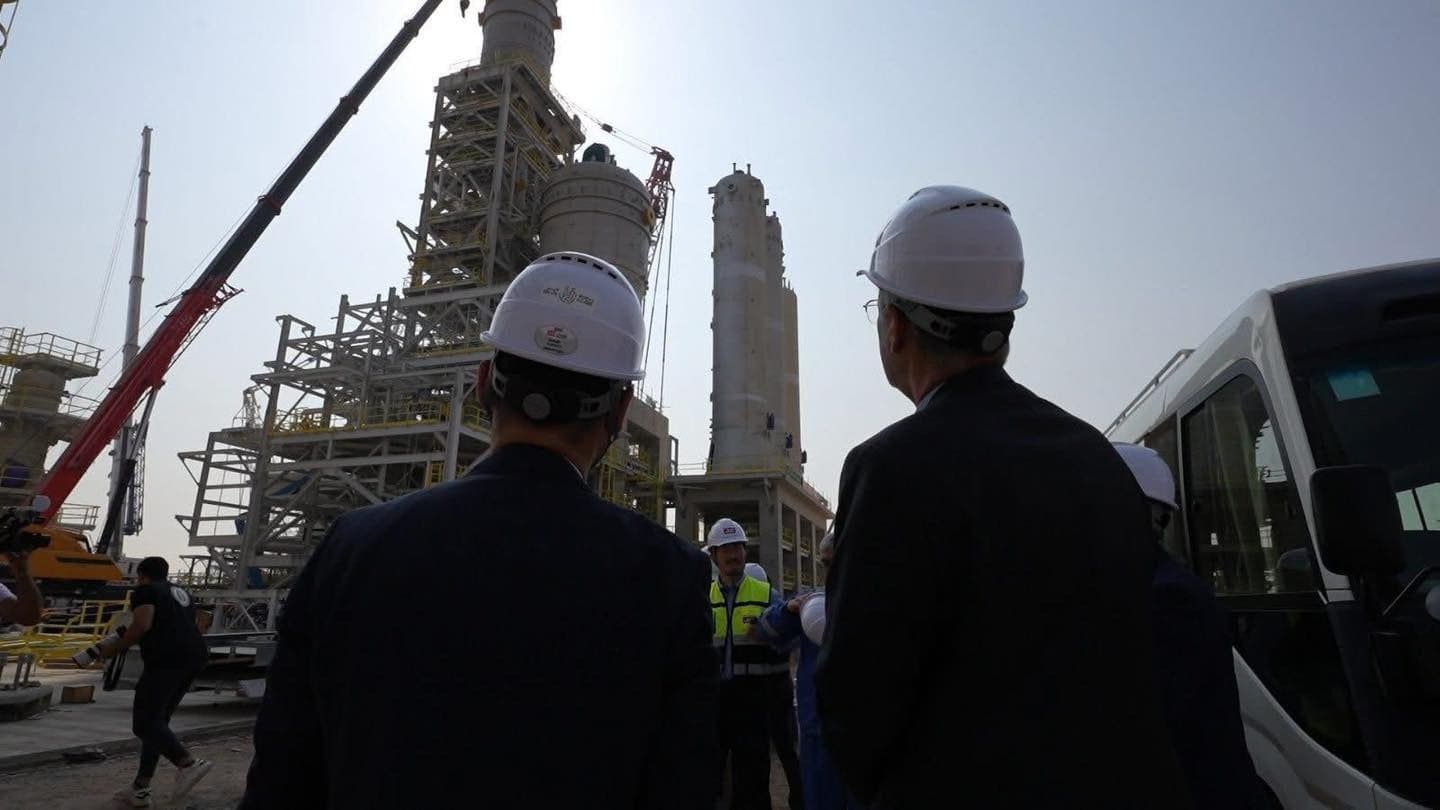
Iraq boosted its gasoline production with infrastructure like the Basra refinery and the Fluid Catalytic Cracking (FCC) project that was inaugurated last month.
"This project produces crude oil, then refines it to produce high-octane gasoline, heating oil, and LPG, as well as several other products," Bazoon said during the inauguration of the project in October.
Speaking at the project site last month, Oil Minister Hayan Abdul Ghani commended the FCC project as one of the most critical strategic initiatives in the refining sector, as it is able to produce 4,200 cubic meters of high-octane gasoline and over 2,000 cubic meters of diesel.
The nearly $3.75 billion project was financed by a low-interest loan from Japan, according to the minister.
Iraq is the second largest oil producer in OPEC after Saudi Arabia. It produces an average 4.4 million barrels of oil per day. Of this number, it exports 3.3 million barrels, and uses the remaining to meet domestic demands.