


11-11-2025
22:48
Voter turnout over 55 percent: Electoral body
-
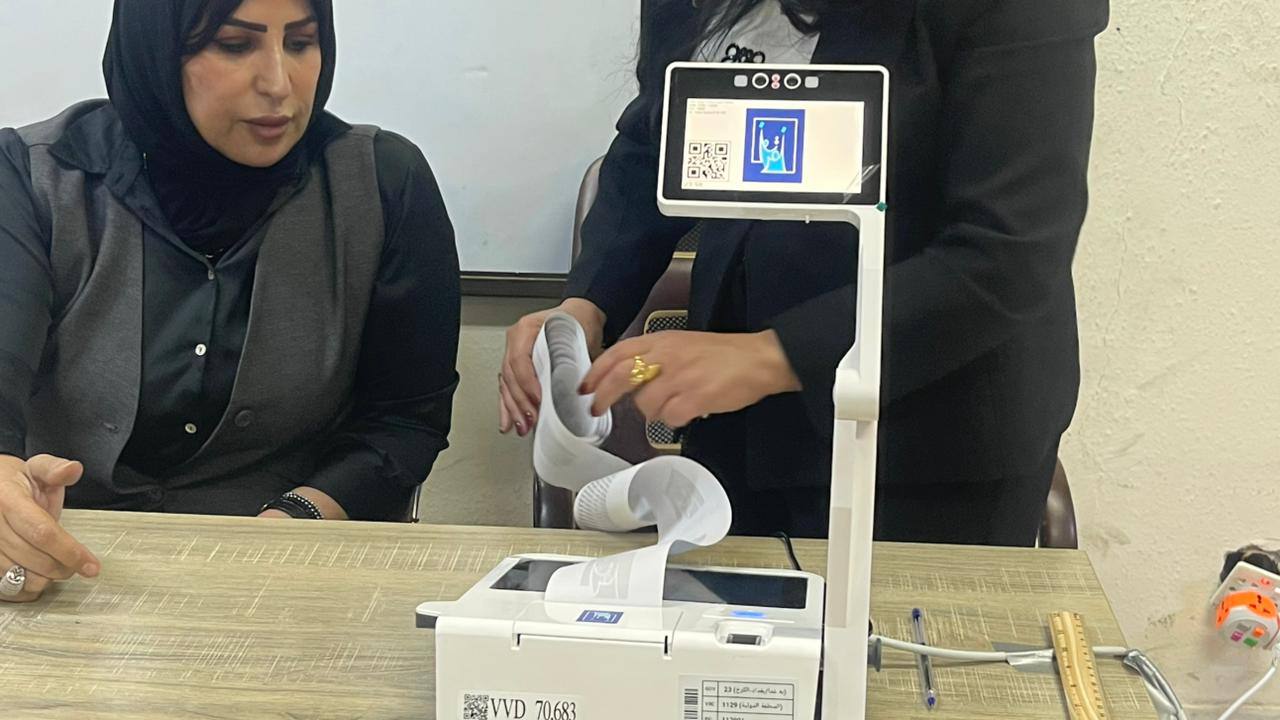
The Independent High Electoral Commission (IHEC) has announced that the overall turnout across Iraq for the parliamentary elections exceeded 55 percent.
"The total number of voters in the general election [on Tuesday] is 10,898,327 out of a total of 20,063,773 eligible voters, making the voter turnout percentage more than (54%)," said the IHEC.
The commission added that the total number of voters in both the early and general elections exceeded 12 million, noting that voter turnout for both days surpassed 55 percent.
21:36
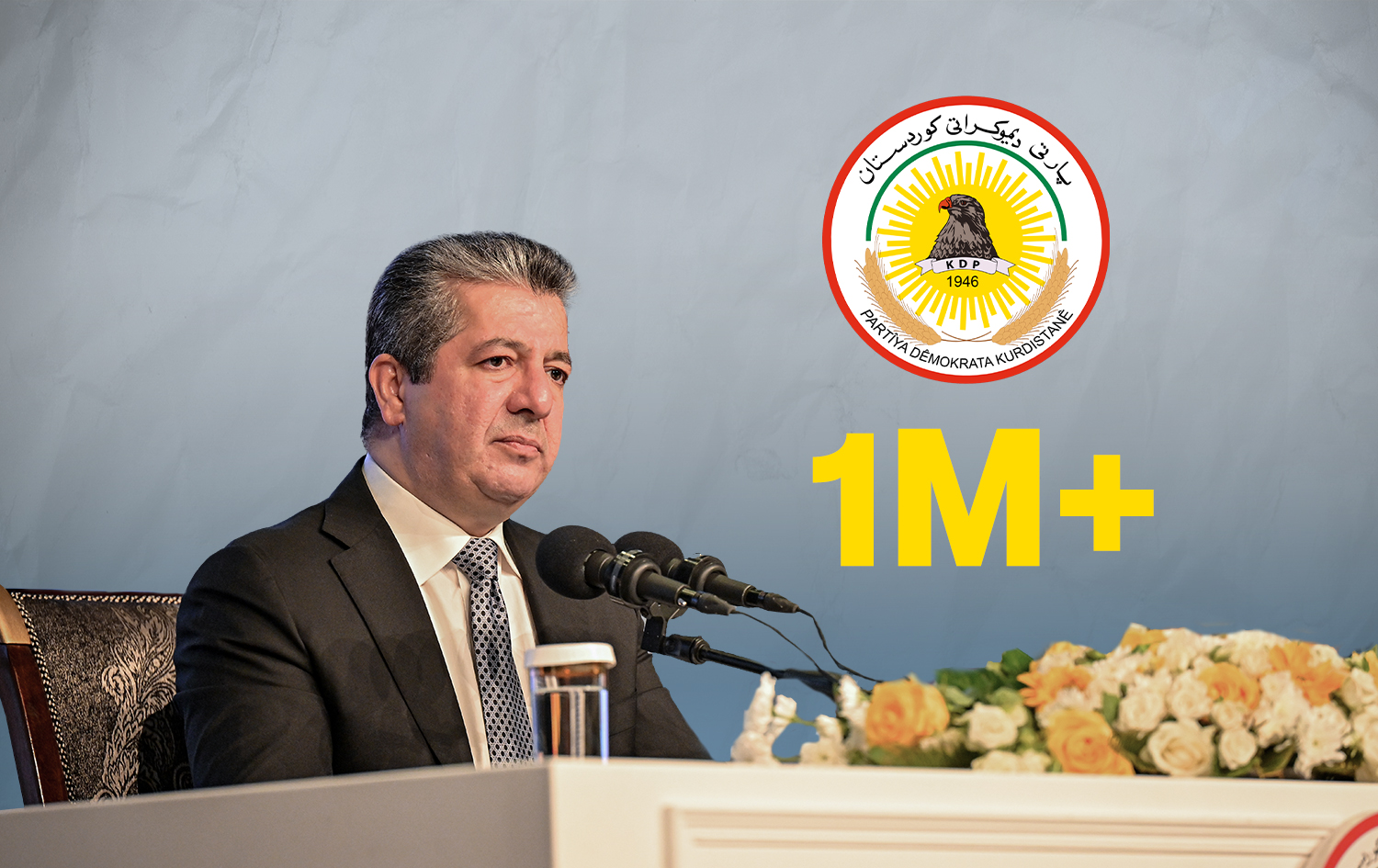
KDP says received over 1 million votes in Iraq's parliamentary ellection
KDP says received over 1 million votes in Iraq's parliamentary ellection
Deputy President of the Kurdistan Democratic Party (KDP) Masrour Barzani thanked his party's supporters for "exceeding one million votes" in Tuesday's parliamentary vote.
"I thank my dear brother Mr. Nechirvan [Barzani] who first announced the one-million-vote challenge."
Barzani congratulated the entirety of the people of Iraq on this "huge success in the democratic process."
20:55
PUK leader calls for 'new era' in Erbil-Baghdad relations after elections
-
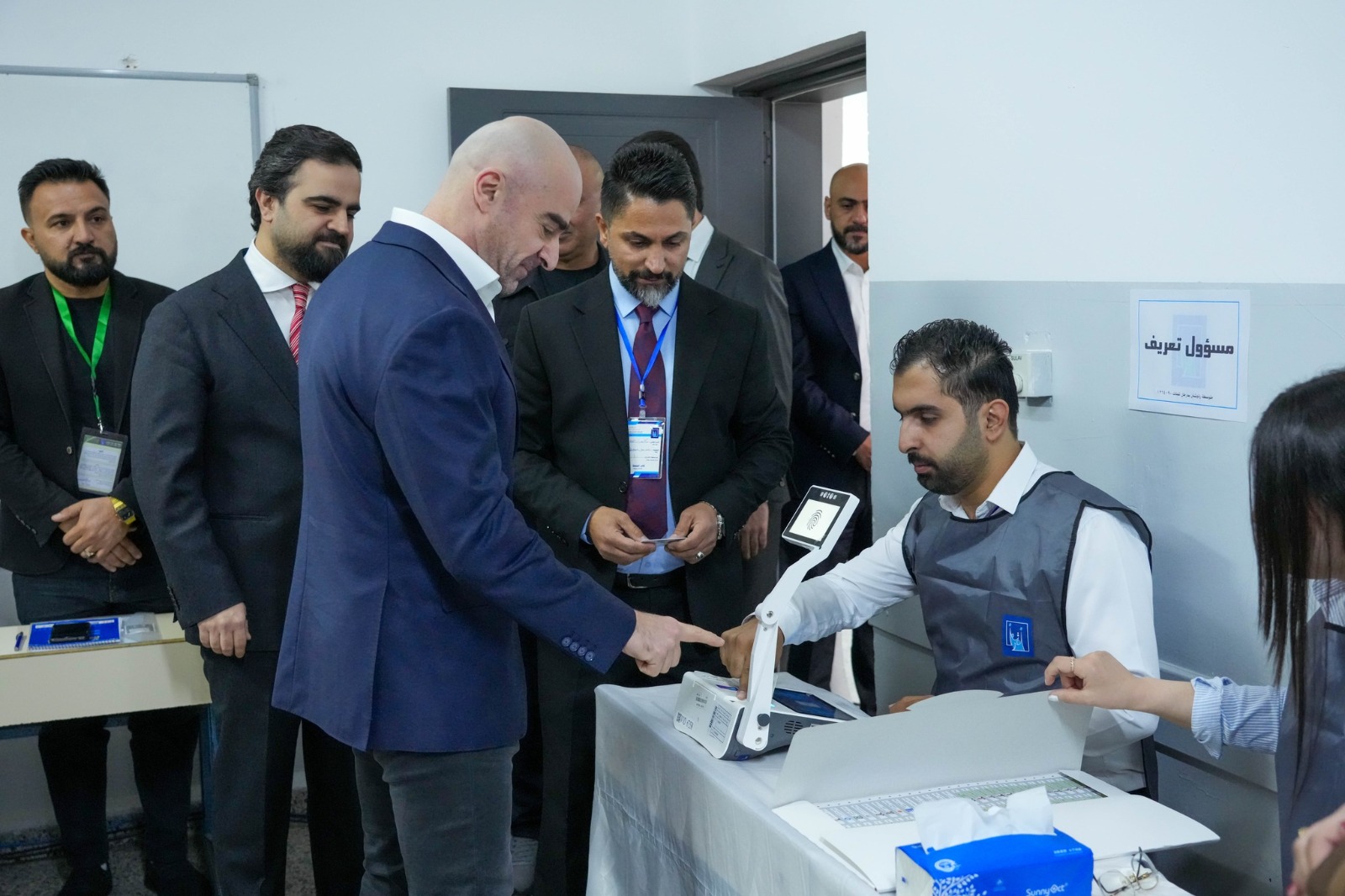
Bafel Talabani, president of the Patriotic Union of Kurdistan (PUK), congratulated the people of Iraq and the Kurdistan Region on their participation in Tuesday's parliamentary elections, urging the start of a "new era" in Erbil-Baghdad relations.
"I urge all those representatives who gained the confidence of voters to advocate for the rights of citizens across all areas."
Talabani hoped for the start of "a new era" in the Baghdad-Erbil relations for "a grassroot solution to the issues on the basis of the constitution."
18:50
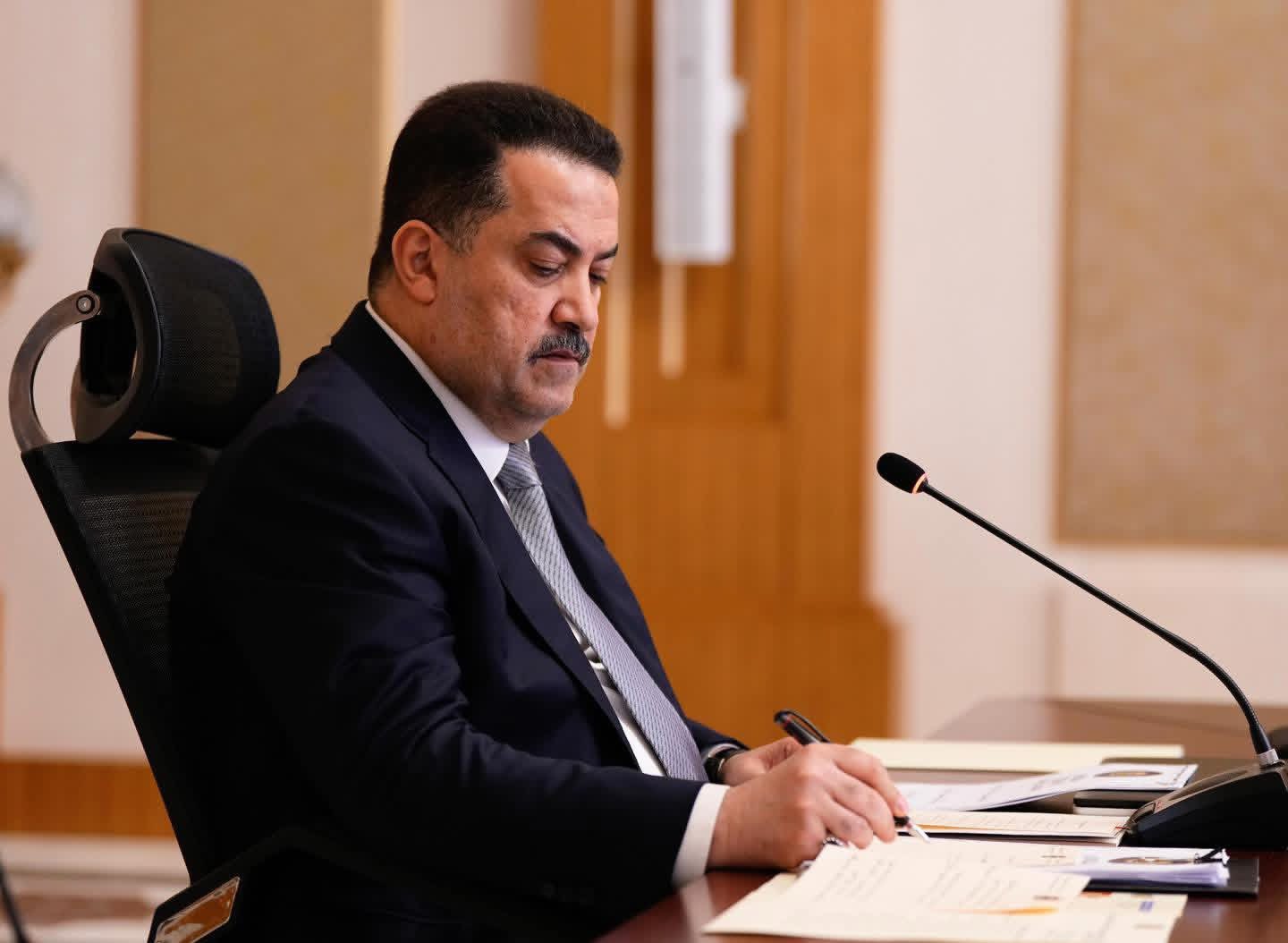
PM Sudani marks completion of legislative vote as democratic milestone
PM Sudani marks completion of legislative vote as democratic milestone
Iraqi Prime Minister Mohammed Shia’ al-Sudani has declared the successful completion of his country’s general legislative elections, emphasizing that holding the vote within the constitutional timeframe reflects his government’s commitment to ensuring the peaceful transfer of power.
In a statement, the premier noted that his government “has fulfilled one of its most prominent commitments outlined in its ministerial program, in addition to honoring constitutional timelines and obligations to ensure the peaceful transfer of power.”
Prime Minister Sudani expressed his gratitude to “every committed Iraqi citizen who cast their vote, believing in the challenging path of democracy, for which Iraqis have made great sacrifices.”
“Once again, our noble Iraqi people, in all their fraternal diversity … have taken a remarkable step toward greater stability and success, and the consolidation of the democratic system that reflects their free constitutional will and their desire to continue building the state,” Sudani said.
The prime minister also extended his appreciation to “every patriotic Iraqi citizen who participated and expressed their confidence through their national choice by casting their vote, believing in the challenging path of democracy."
He further thanked “the legislative and judicial authorities, our valiant armed forces in all branches and formations, and the Independent High Electoral Commission [IHEC]” for their efforts in facilitating the key ballot.
Sudani also lauded civil society organizations, media, and international observers, whose support “played a decisive role in the success of the voting process.”
18:28
PM Barzani calls for votes of voters to be respected
-
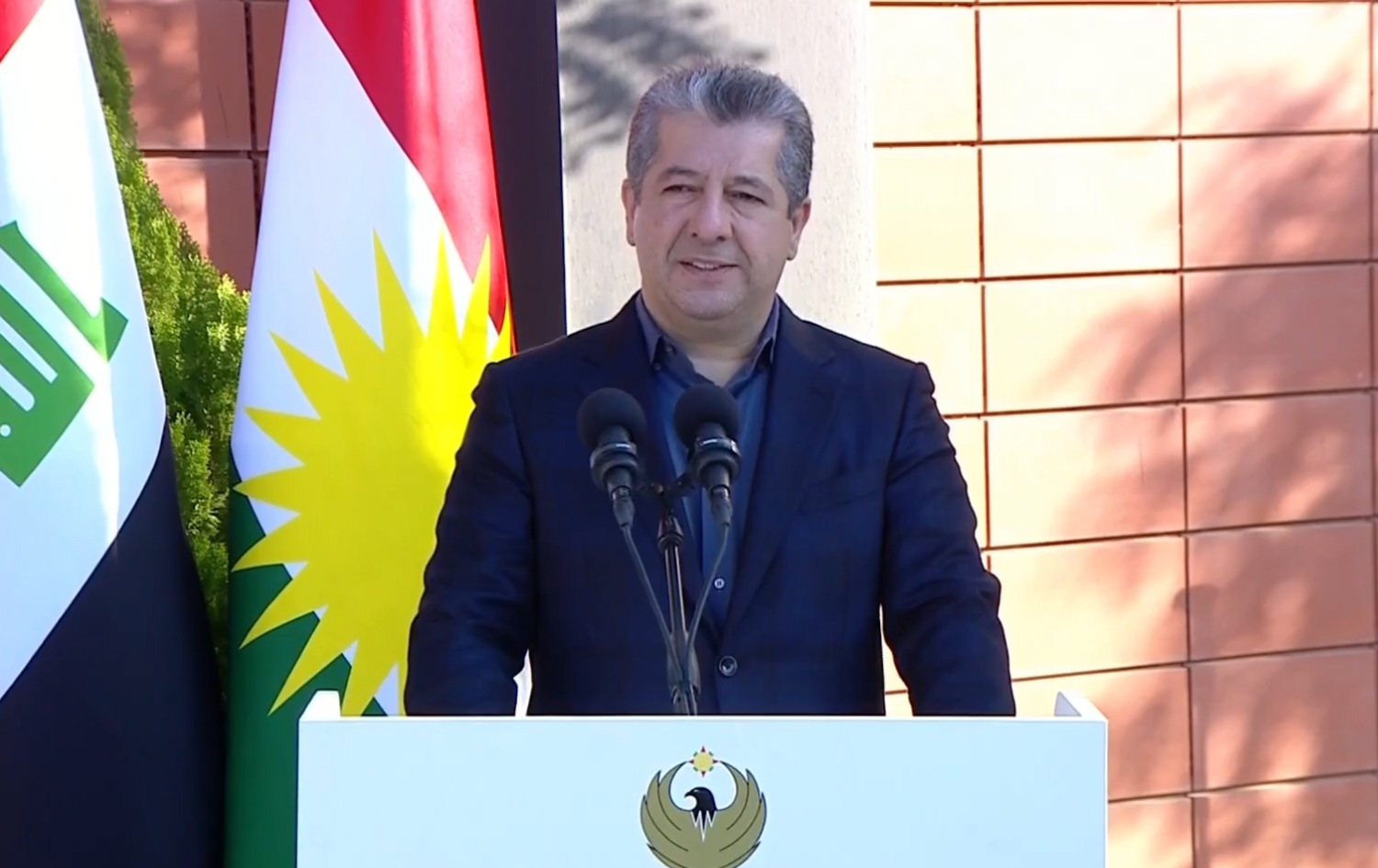
Kurdistan Region Prime Minister Masrour Barzani celebrated the end of Iraq’s parliamentary elections, labeling the process successful. He called for the votes of the voters to be respected.
“Thanks be to Almighty God, the Iraqi parliamentary election process has successfully concluded,” said Barzani, thanking the federal electoral commission and members of security forces for carrying out the process.
“I hope that the votes of the voters will be respected with integrity, also, that those representatives who gain the confidence of the voters will be true representatives of the people and defend the constitutional rights of the people of Kurdistan, the Kurdistan Region entity, and the interests of all Iraqi citizens,” he noted.
14:47
Low turnout reported among Kurds in Kirkuk
-
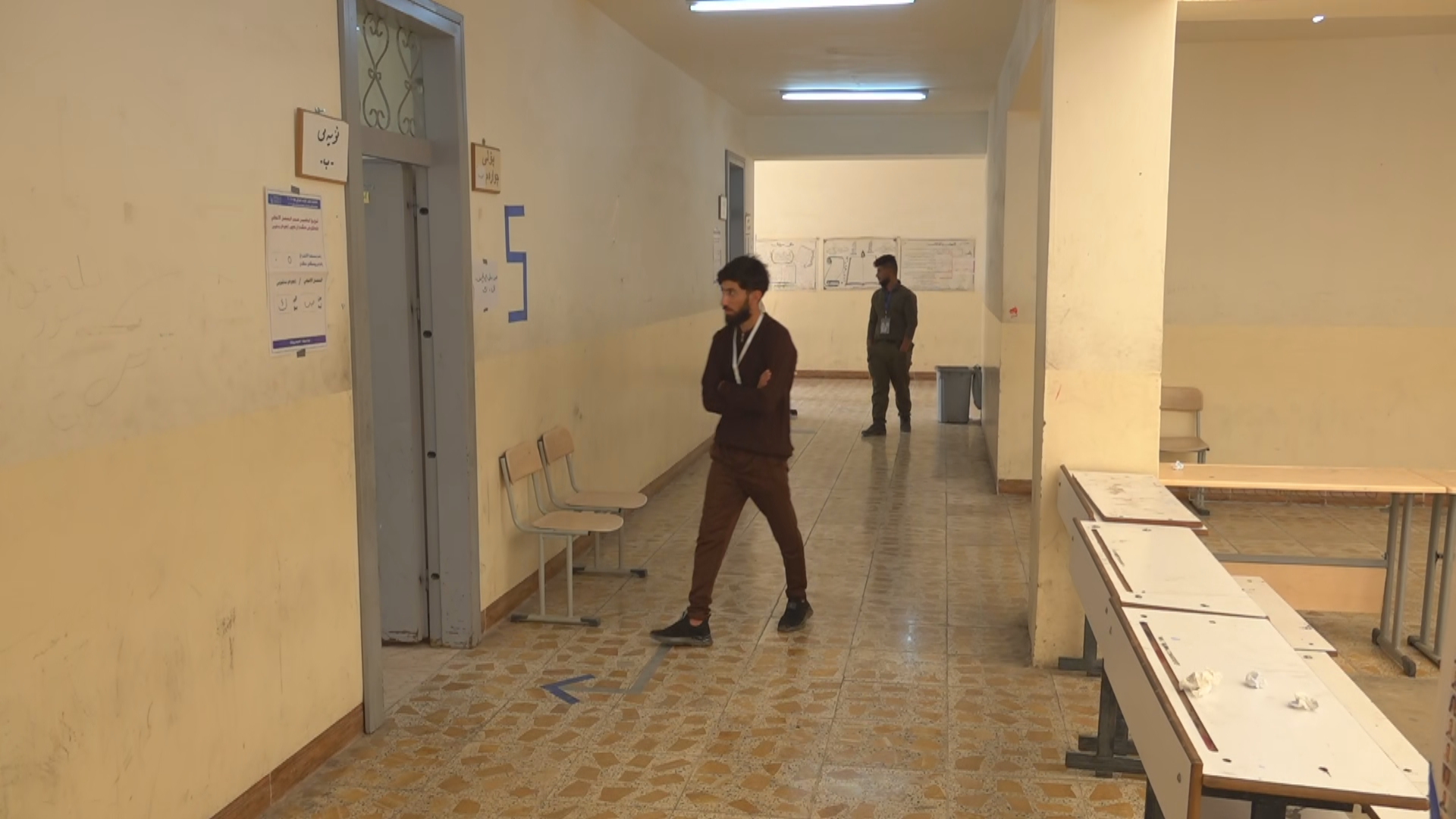
Rudaw reporters on the ground have observed a notably low voter turnout in predominantly Kurdish areas of Kirkuk province compared to Arab and Turkmen neighborhoods. Politicians have warned that Kurdish representation could diminish if more Kurdish voters do not participate in the elections.
“If people do not return to Kirkuk to vote, Kurds may lose one or two seats,” Shakhawan Abdullah, deputy speaker of the Iraqi parliament, told reporters after casting his ballot in his hometown of Kirkuk.
Abdullah, who is also a senior member of the Kurdistan Democratic Party (KDP), added that “Voting in Kirkuk today is as important as fighting against the Islamic State.”
He emphasized the importance of civic participation, noting that Kirkuk’s delicate ethnic balance made voter engagement vital. “Kirkuk is a special case with ethnic competition. Kurds can maintain their political balance only through strong turnout.”
Jangi Izzadin, spokesperson for the Patriotic Union of Kurdistan (PUK) office in Kirkuk, told Rudaw that officials expected participation to rise later in the day as more voters traveled from other areas to cast their ballots.
“We urge all Kurds to vote in large numbers,” Izzadin said. “Participation is crucial to safeguard our representation.”
Turnout was 28.85 percent in Kirkuk as of noon, according to the Independent High Electoral Commission (IHEC).
According to Rudaw reporter in Kirkuk Hiwa Hussamaddin, early data indicated that Kurdish participation remained low while Arab turnout was notably higher.
Iraqi Justice Minister Khalid Shwani, voting in a Kirkuk polling station, called the election “a historic day” for Iraq and especially for Kirkuk.
“Parliament is where the rights of both Iraqis and Kurds are defended,” Shwani said. “It is vital that citizens participate effectively to ensure their representatives can protect their interests.”
He urged residents of the Kurdistan Region and Kirkuk to engage more actively in the federal political process, stressing that “for Kurds, Kirkuk and Baghdad are both essential fronts for defending our rights.”
Rudaw’s Hardi Mohammad, reporting from Kirkuk’s majority-Kurdish Shorijah neighborhood, said participation was “very low.” Out of 3,850 registered voters in the neighborhood, only 863 had voted by midday. Other Kurdish-majority polling stations showed around 25 percent participation, compared to more than 45 percent in Arab-majority areas.
Rudaw footage showed nearly empty polling stations in Kurdish neighborhoods, with electoral staff waiting outside due to the lack of voters.
Turnout among Kurds was also low in other areas disputed between Erbil and Baghdad.
In Tuz Khurmatu, a disputed town in Salahaddin province, Rudaw’s correspondent Horvan Rafaat reported that Kurdish neighborhoods saw only about 20 percent turnout by noon.
14:29
Iraq election midday participation below 24 percent
-
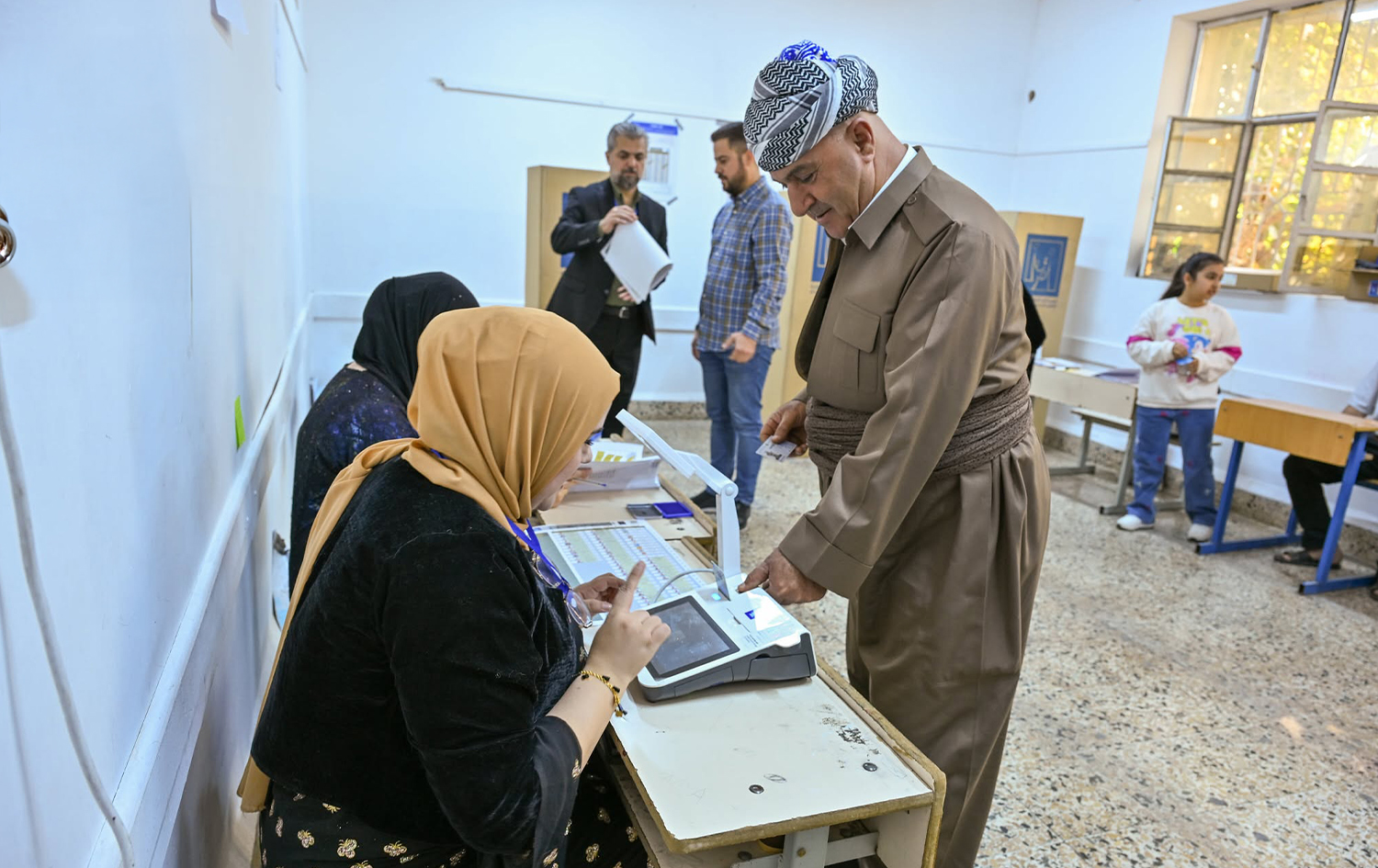
Midday turnout for Iraq’s general legislative election reached just under 24 percent, with the central Salahaddin province recording the highest participation, according to Iraq’s electoral body. In the Kurdistan Region, Erbil led the turnout.
The Independent High Electoral Commission (IHEC) reported preliminary figures from the first five hours of voting, between 7 am and noon local time, showing an overall participation rate of 23.9 percent across the country’s 19 provinces.
The central Salahaddin province recorded the highest turnout at 31.57 percent, while the southern province of Maysan had the lowest at 16.63 percent. Notably, Maysan is the home province of Iraqi Prime Minister Mohammed Shia’ al-Sudani.
In the Kurdistan Region, turnout was 28.93 percent in Erbil, 27.36 percent in Duhok, and 24.88 percent in Sulaimani.
Of note, in the special elections held on Sunday, the Kurdistan Democratic Party (KDP) led in Erbil and Duhok, while the Patriotic Union of Kurdistan (PUK) dominated Sulaimani.
12:49
Kurdish opposition figure calls for fair elections, warns of ‘manipulation’
Kurdish opposition figure calls for fair elections, warns of ‘manipulation’
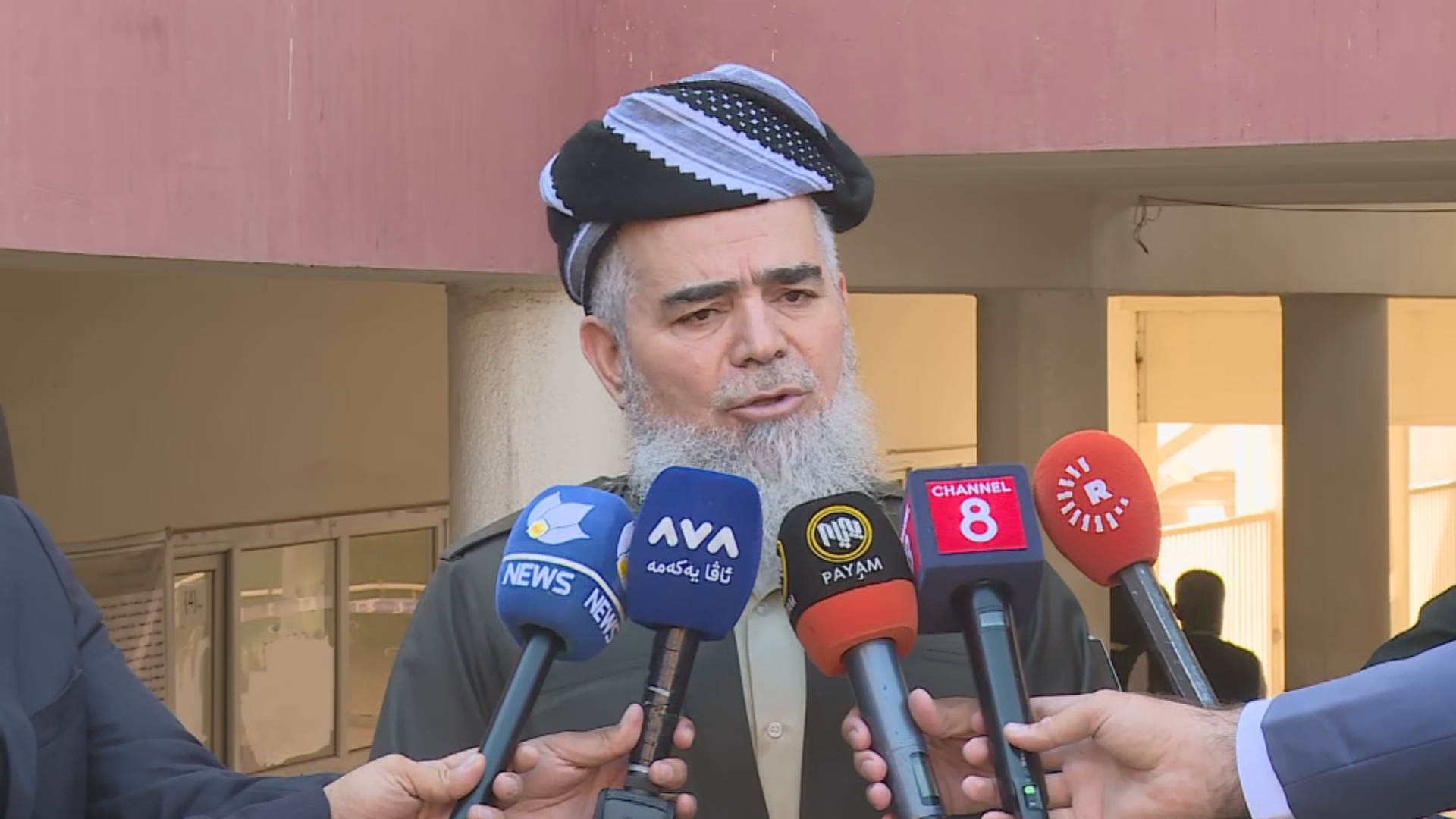
Kurdistan Justice Group (Komal) Leader Ali Bapir issued a strong appeal for electoral integrity and national unity in Iraq’s legislative elections, warning against “manipulation” and interference in the vote.
Speaking to reporters after casting his ballot, Bapir expressed hope that “this time the elections will truly be clean, free from manipulation and interference. I hope that this will indeed be the case.”
He stressed that the resulting mandate must genuinely reflect the citizens’ will, cautioning “all those who have the power to interfere” against “tampering with the people’s will, so that the outcome truly reflects the wisdom and conviction of the citizens.
“Anyone who tampers with these results is in fact interfering with the will of the entire population,” Bapir said, alleging that such meddling has caused citizens to “lose trust, feel disappointed and withdraw further from the political process.” He further claimed that “unfortunately, this [withdrawal] has already happened in previous elections, when 70 to 75 percent of the people boycotted the vote, signalling they had lost faith in the system.”
Bapir expressed hope that the current elections will “open a new chapter,” emphasizing that “whether in the Kurdistan Region or throughout Iraq, apart from coexistence, unity, cooperation, and mutual respect, we have no other foundation to fall back on.”
He underscored the need for tolerance and collaboration, stating, “We must know that we are one nation in one country, and we have no choice but to be tolerant, coexist, and cooperate.”
“The essence of coexistence lies in unity, justice, and equality,” Bapir concluded.
11:39
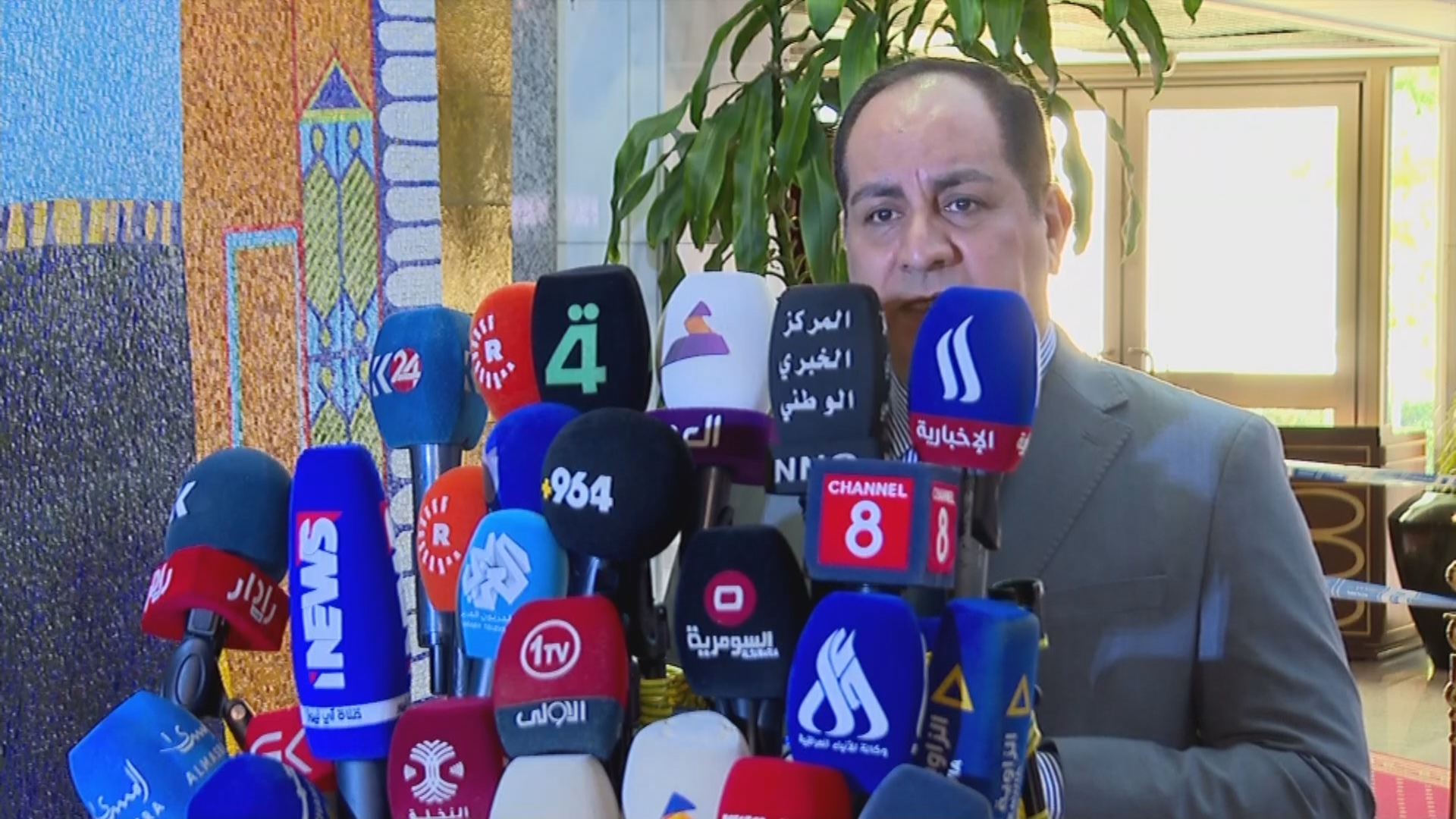
Iraqi elections mark a milestone in democratic maturity: Spox
.
Iraqi government spokesman Basim al-Awadi praised the country’s ongoing electoral process, describing it as a “great democratic experience” for Iraq and for the wider region.
Speaking to reporters in Baghdad, Awadi stated, “We, the Iraqi people, are together in presenting one of the most significant experiences in the Arab and Islamic world,” adding, “Our hope is to solidify and continue developing this democratic experience as the continuity of elections - every four or eight years - is what builds strong nations.”
Awadi noted that Iraq is now holding its sixth legislative elections since the 2003 fall of the Baath regime, describing this continuity as a “sign of maturity and democratic growth.”
Addressing earlier speculation that the elections might be postponed, he noted that “the Independent High Electoral Commission [IHEC], the Iraqi judiciary and the government all worked together to ensure elections were held on time.”
The special voting process took place “smoothly and successfully” on Sunday, “for the first time within the scheduled period,” the Iraqi government spokesperson said, anticipating that “voter turnout today will also be very high.”
Awadi emphasized that the government had met all logistical, financial, and administrative requirements necessary to facilitate the elections, and that he expected the process to proceed without major obstacles.
He also firmly rejected claims that authorities had attempted to influence voters.
“The government has done its duty by providing the necessary support, not by interfering,” he stated. “We are proud of this democratic event that allows every Iraqi citizen to freely cast their vote and choose their representative.”
11:01
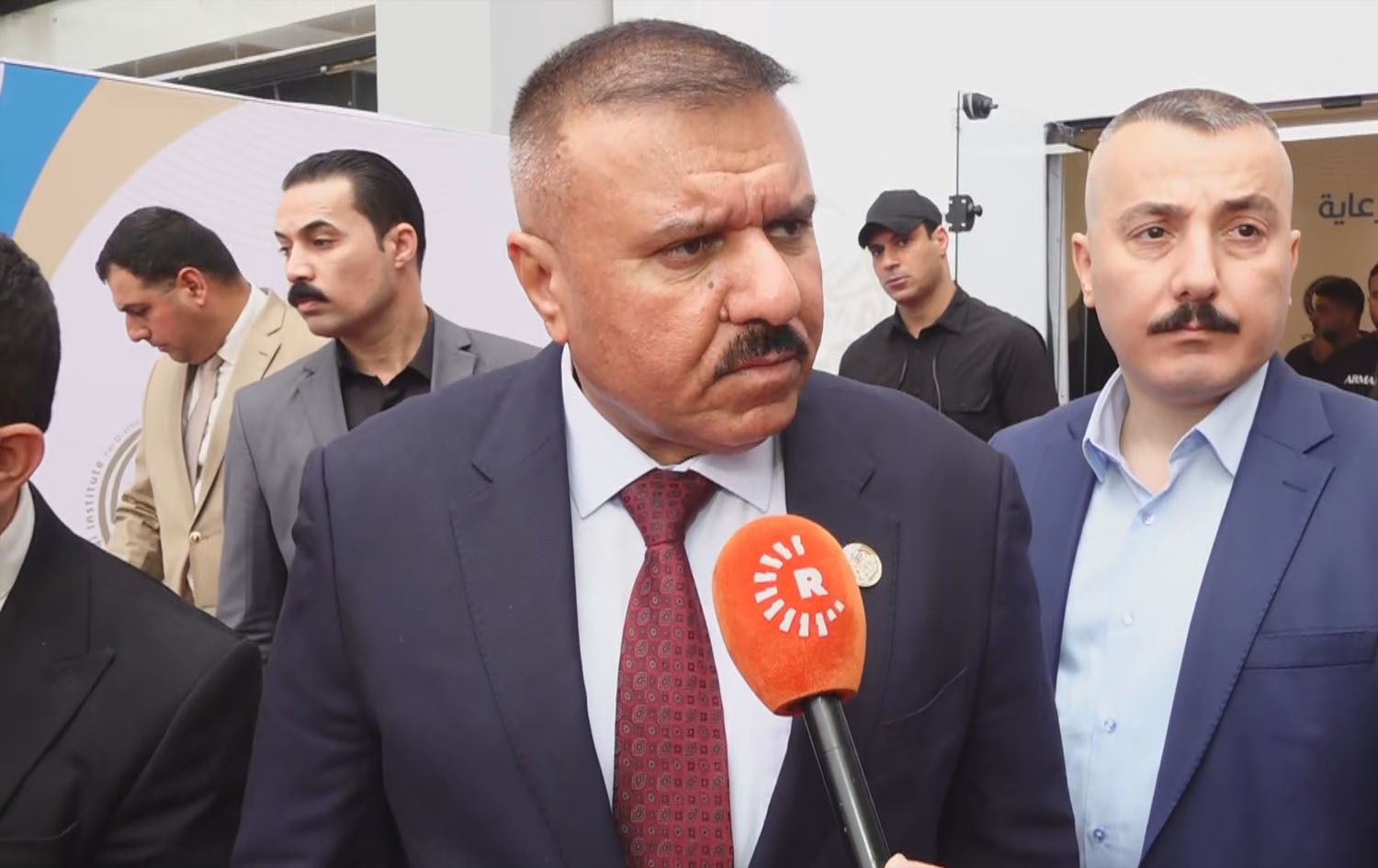
Polling centers across Iraq are ‘fully secured’: Interior minister
-
Polling centers in the Iraqi capital Baghdad and across all provinces are “fully secured,” Iraqi Interior Minister Abdul-Amir al-Shammari announced, citing an “integrated security plan” in place to transport ballot boxes and data storage devices after voting ends later in the day.
The state-run Iraqi News Agency (INA) quoted Shammari as saying that “all polling centers in the capital Baghdad and other provinces are fully secured, with security forces present for four consecutive days.” He added that since early morning, he had been “conducting tours in Baghdad to inspect the overall situation,” affirming that “no roads have been closed, and movement for citizens remains open.”
“Our message to citizens in Baghdad and the provinces is to head to the polling stations and participate in the elections,” Shammari urged.
The minister further noted that an “integrated security plan” has been established to transport ballot boxes and data storage devices after the polls close at 6:00 pm local time, with all security commanders deployed on the ground to oversee implementation. “Today is an electoral celebration in which all Iraqis participate - it is one of the principles of democracy. We call on all Iraqis to take part,” Shammari said.
In late October, Brigadier General Miqdad Miri, spokesperson for Iraq’s interior ministry, confirmed that a total of 185,162 security personnel are involved in securing the electoral process.
The Iraqi general election security plan is being executed under the supervision of the Supreme Committee for Election Security.
Head of the Committee, Lieutenant General Qais al-Muhammadawi, told INA on Tuesday, "We have a significant task that will be completed according to the upcoming stages of the process, and we are working to finalize the remaining parts of the plan," noting that "the sectors are ready to complete and secure the general voting."
He added that security forces would continue their work after polls close, protecting materials and devices at the electoral centers and transporting the boxes by air and land to Baghdad for counting and results announcement.
10:47
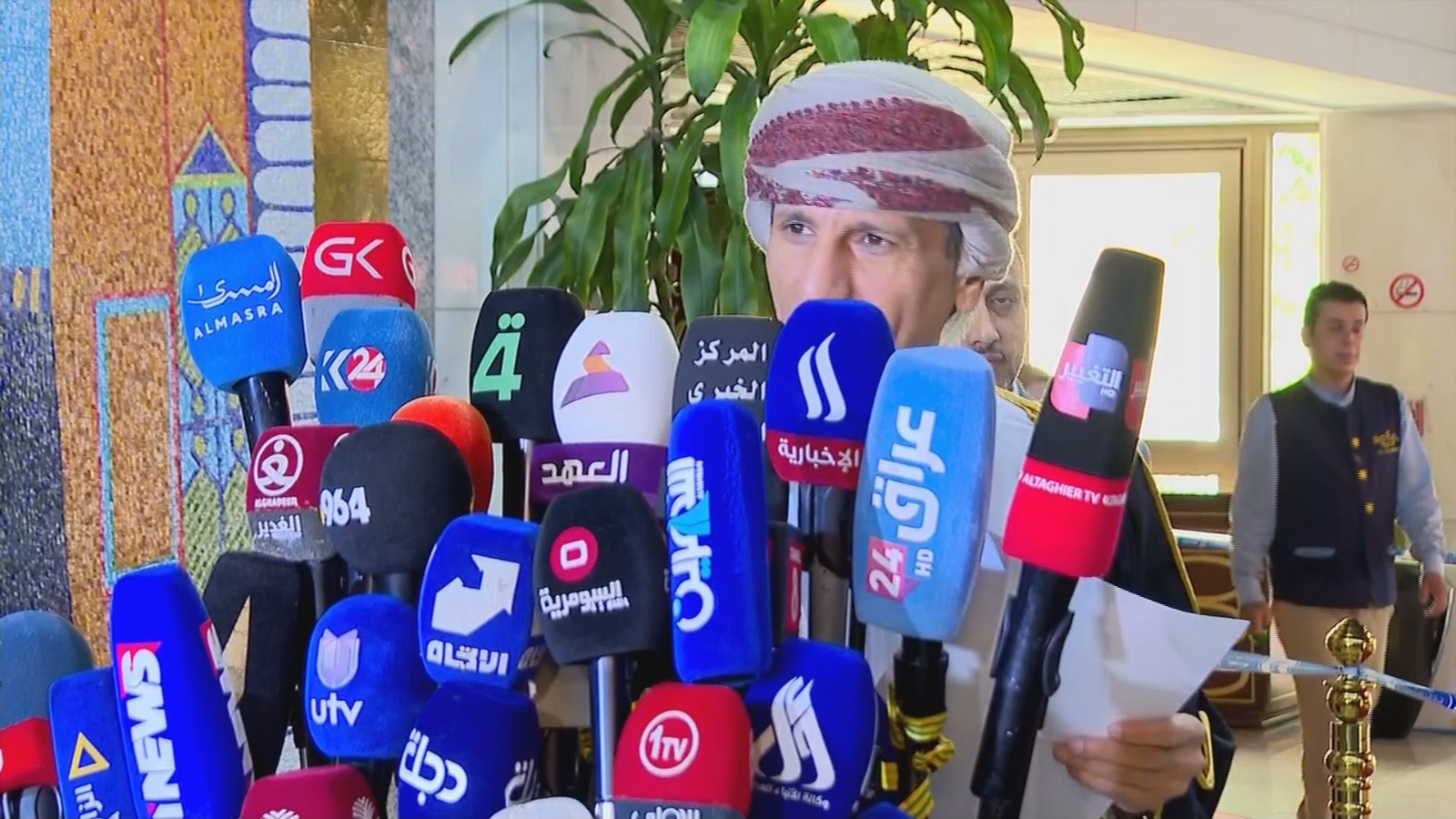
UNAMI chief says monitoring Iraq’s parliamentary vote
-
Mohamed al-Hassan, head of the UN Assistance Mission for Iraq (UNAMI), told reporters that he and his teams are monitoring the Iraqi legislative elections.
“This morning, I was honored to visit a number of polling stations in Baghdad. This evening, I will be touring a number of polling stations in Basrah province, while the UN representatives are distributed across other provinces to observe and watch the voting process in the polling stations,” he said.
He praised the Independent High Electoral Commission (IHEC) for the process.
“I am happy to see this voter turnout and such good organization shown by the IHEC. What I witnessed today and the day before yesterday during the special voting is evidence of the great efforts by the IHEC and Iraqi institutions to ensure the technical and administrative readiness for holding organized parliamentary elections,” he said.
Hassan added that Tuesday is “a democratic celebration in which the Iraqi people exercise their constitutionally guaranteed right to freely, responsibly, and safely choose their representatives.”
09:39
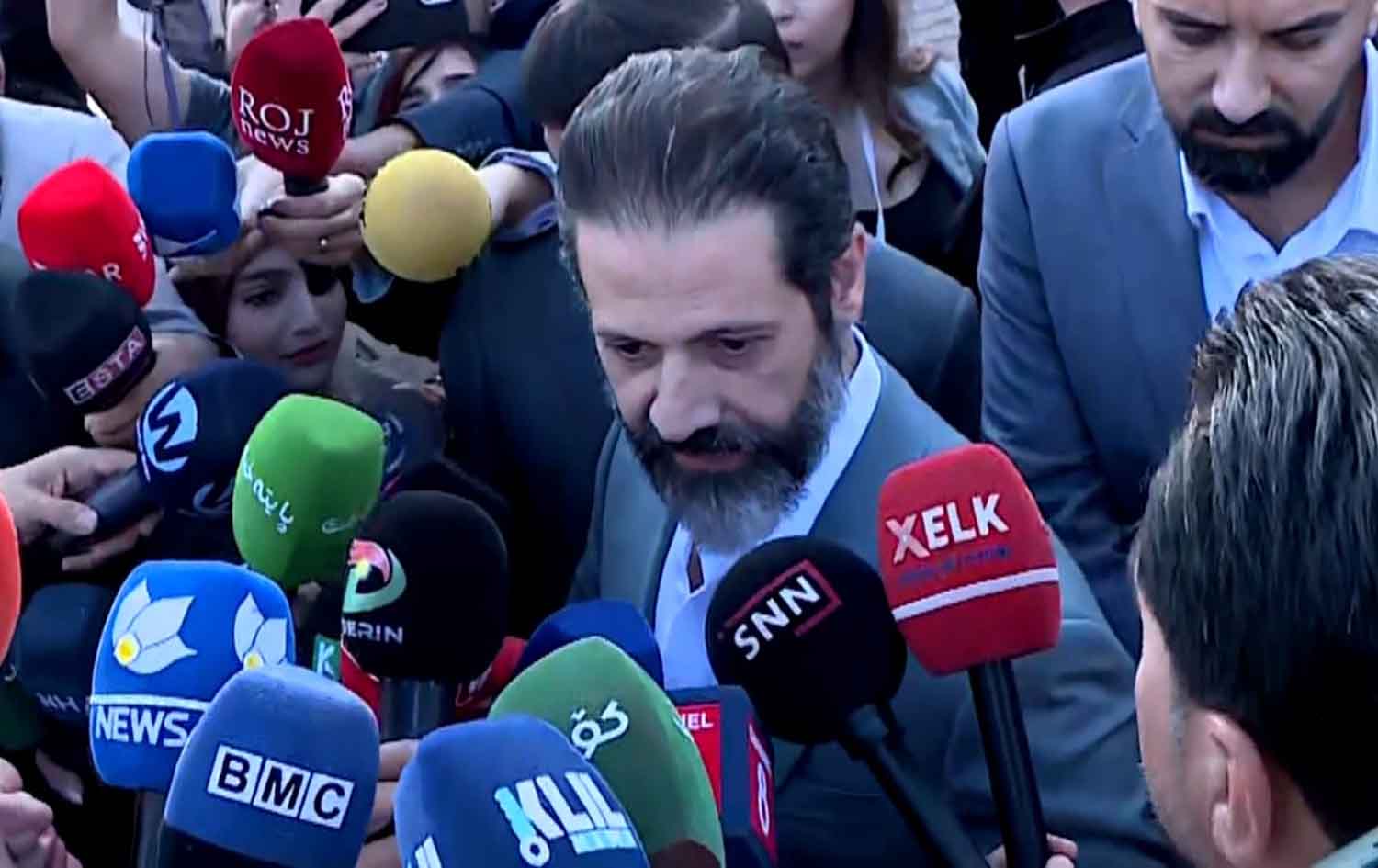
KRG Deputy PM Qubad Talabani calls for higher turnout
-
Qubad Talabani, Deputy Prime Minister of the Kurdistan Regional Government (KRG), called on people to head to polling stations as he cast his vote.
“My message to the youth is to participate in this election. The election is an important process. Participate in the political process. The youth are generally concerned and dissatisfied. If you are dissatisfied, come and vote. This election is for the Iraqi parliament,” said Talabani.
He highlighted the importance of these elections, noting that most of the key issues can be resolved in Baghdad.
“In the Iraqi parliament, the issues of salaries, budget, and livelihood are decided. The issue of increasing the Kurdistan Region's public employment share is decided. All these topics are discussed in the Iraqi parliament. That is why we say vote for the party that has the most influence there, who can solve the issue of salaries and budget and increase the share, not those who have ruined it and not those who can do nothing.”
“My message to the youth is to participate in this election. The election is an important process. Participate in the political process. The youth are generally concerned and dissatisfied. If you are dissatisfied, come and vote. This election is for the Iraqi parliament,” said Talabani.
He highlighted the importance of these elections, noting that most of the key issues can be resolved in Baghdad.
“In the Iraqi parliament, the issues of salaries, budget, and livelihood are decided. The issue of increasing the Kurdistan Region's public employment share is decided. All these topics are discussed in the Iraqi parliament. That is why we say vote for the party that has the most influence there, who can solve the issue of salaries and budget and increase the share, not those who have ruined it and not those who can do nothing.”
08:39
PUK leader casts vote in Sulaimani
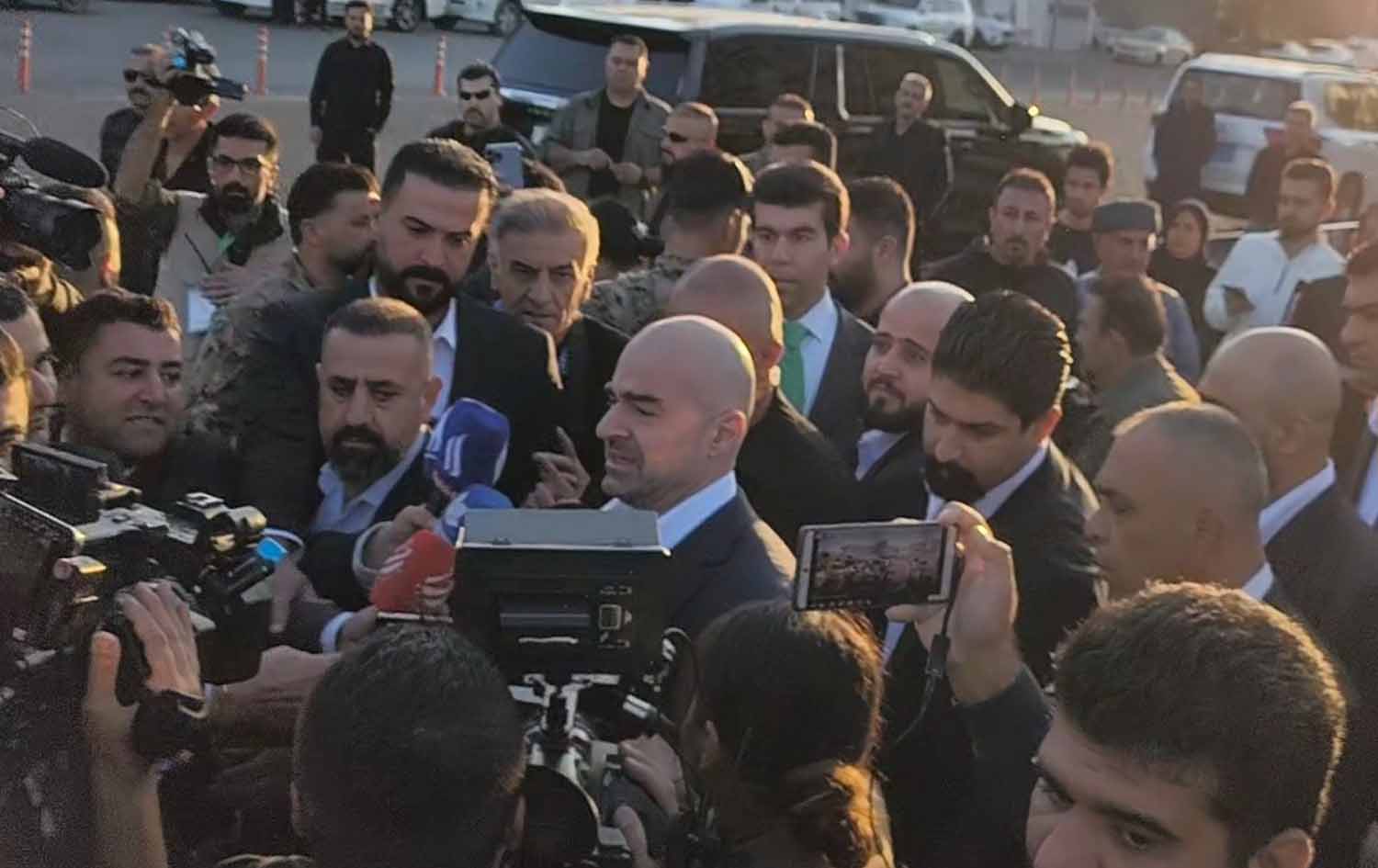
-
Bafel Talabani, president of the Patriotic Union of Kurdistan (PUK) cast his ballot in Sulaimani and called on people to vote for a party that can resolve their issues.
“[I hope] everyone in Iraq and Kurdistan could vote with their conscience - vote for a party that can solve more than 222 of your problems,” he told reporters.
08:11
PM Barzani highlights importance of elections
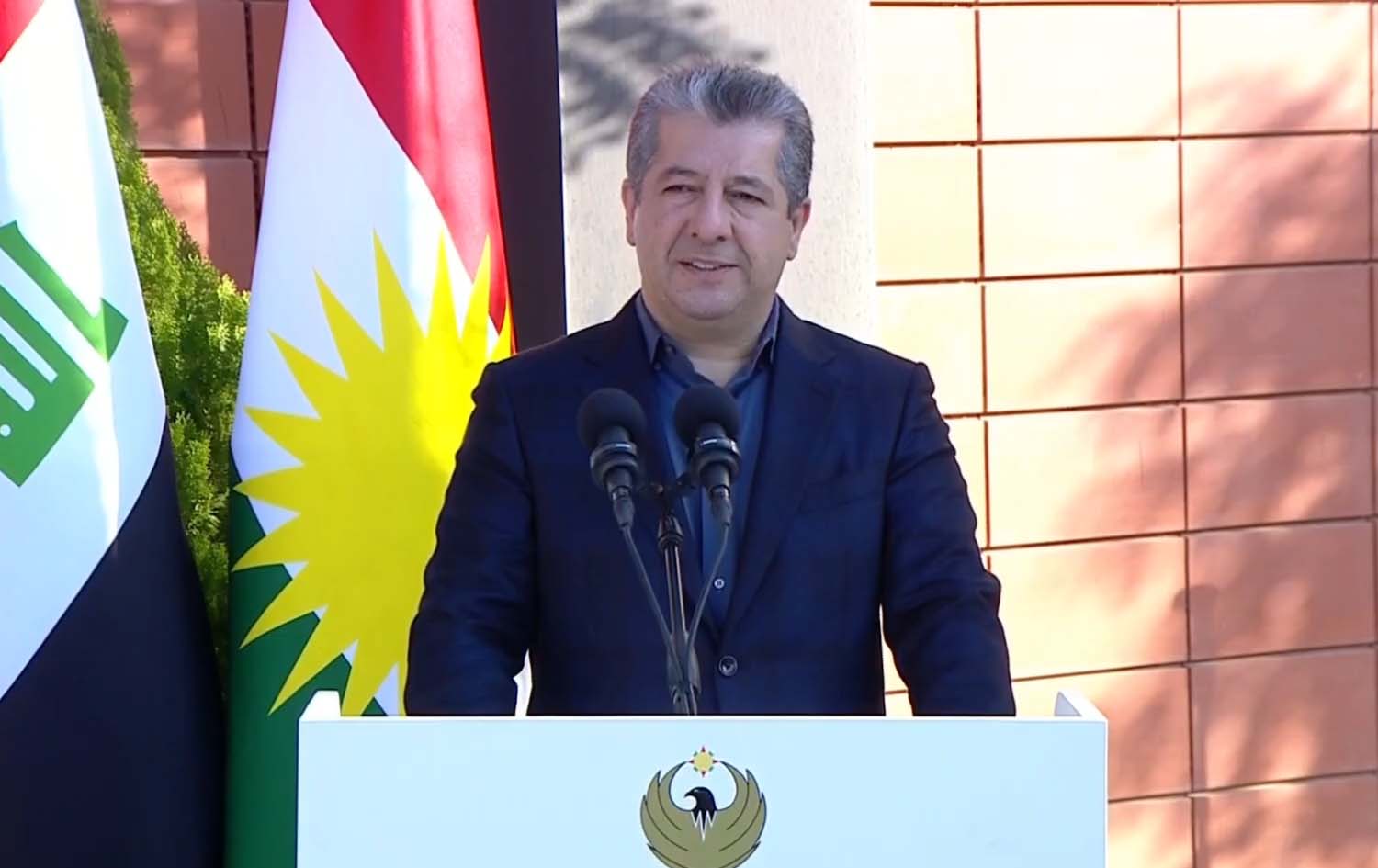
-
Kurdistan Region Prime Minister Masrour Barzani said the ongoing Iraqi parliamentary elections are important after casting his ballot.
“Undoubtedly, this is an important election. We hope that people, with their utmost freedom, make their own decision free from any pressure, because today’s choice by the people will determine the path and form of governance for the next four years. I also hope that the [Independent High Electoral] Commission will handle voters’ ballots with integrity until the end of the process,” said the prime minister.
"Today is the people’s decision day. I hope citizens can vote in a calm and free atmosphere to send sincere and patriotic representatives to the Iraqi parliament—those who will defend their legitimate and constitutional rights,” he added.
07:52
Iraqi PM stresses ‘peaceful’ transfer of power
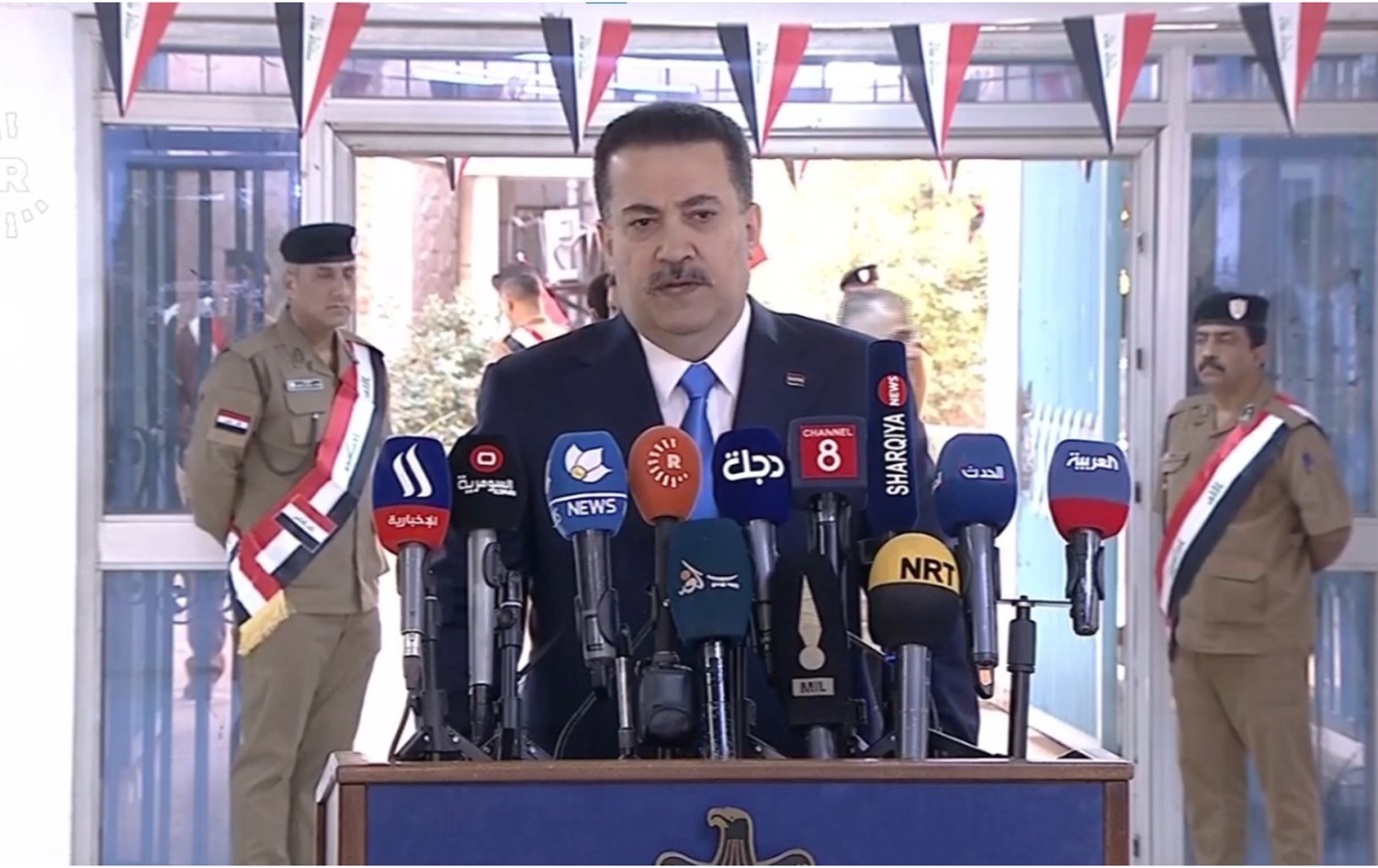
-
Iraqi Prime Minister Mohammed Shia' al-Sudani held a press conference in Baghdad after casting his ballot for the parliamentary elections.
"The government has given great attention to the peaceful transfer of power," said the prime minister.
Sudani also said that holding the country’s legislative elections today comes within the constitutional timeline and reaffirms the concept of peaceful transfer of power.
The Iraqi premier further noted that the country’s security forces are exerting their utmost efforts nationwide to secure this historic event and democratic celebration.
Elections are being held in secure and stable conditions, with integrity that allows citizens the necessary space to vote freely, Sudani added.
"The government has given great attention to the peaceful transfer of power," said the prime minister.
Sudani also said that holding the country’s legislative elections today comes within the constitutional timeline and reaffirms the concept of peaceful transfer of power.
The Iraqi premier further noted that the country’s security forces are exerting their utmost efforts nationwide to secure this historic event and democratic celebration.
Elections are being held in secure and stable conditions, with integrity that allows citizens the necessary space to vote freely, Sudani added.
07:07
President Barzani labels current elections as ‘new start’
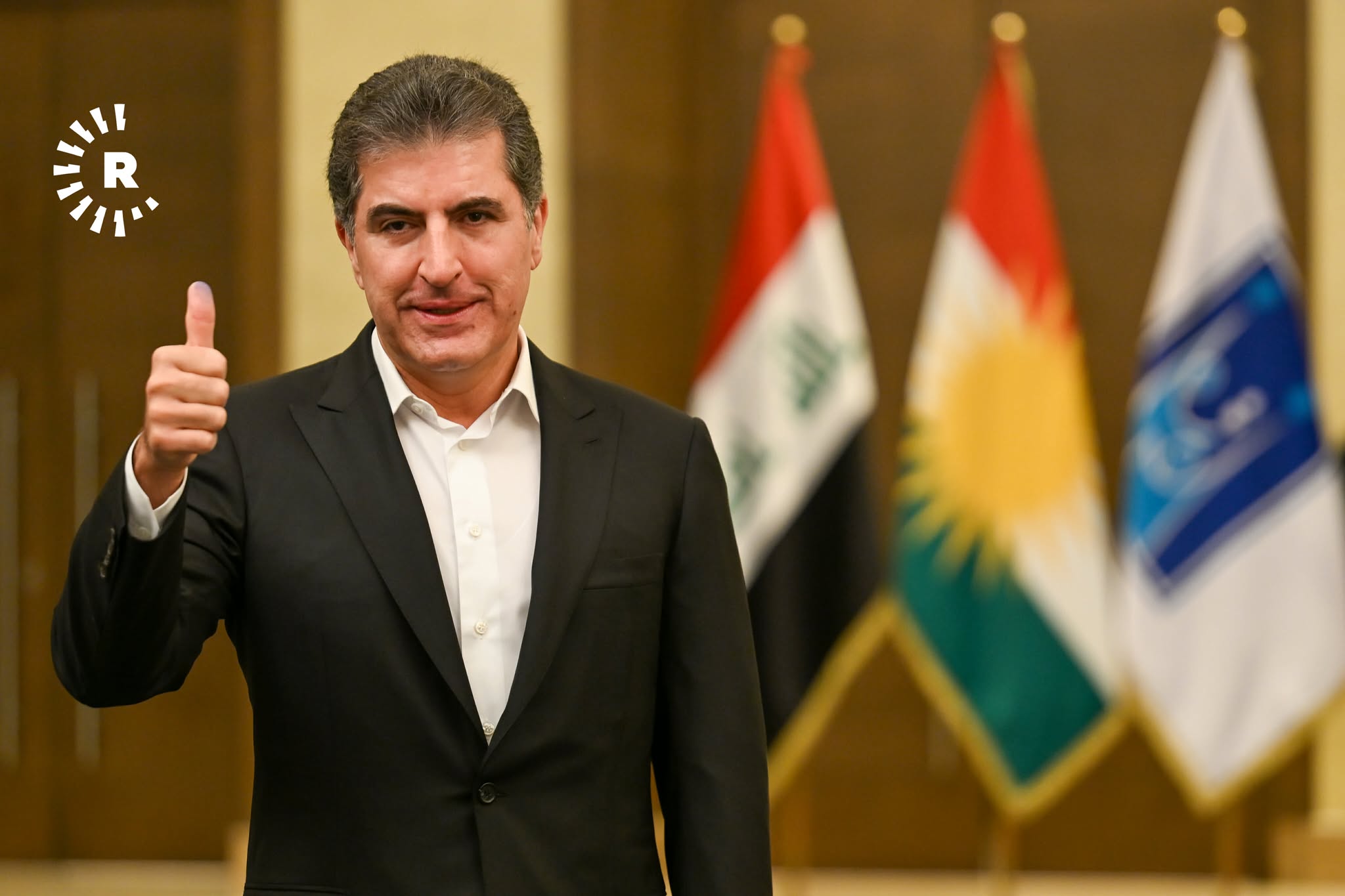
-
Kurdistan Region President Nechrivan Barzani cast his ballot in Erbil and stated that the ongoing parliamentary elections in Iraq are a “new start” in the process of Constitution implementation.
“For us, this election is a new start in the process of the implementation of the Iraqi Constitution,” he said.
President Barzani noted that what makes these elections different from the previous ones is that Iraq has improved in terms of security and economy.
He hoped that Iraqis will be offered better services after the elections. “I hope that they will have better lives.”
“Iraq is going on a right democratic path,” said President Barzani, adding that it is important for people to cast their ballots.
“I believe this is one of the most important elections held in Iraq so far, after 2005 and other stages in Iraq. We hope that these elections are a new start for Iraq - a democratic federal Iraq where all components get their rights and achievements,” said President Barzani.
“For us, this election is a new start in the process of the implementation of the Iraqi Constitution,” he said.
President Barzani noted that what makes these elections different from the previous ones is that Iraq has improved in terms of security and economy.
He hoped that Iraqis will be offered better services after the elections. “I hope that they will have better lives.”
“Iraq is going on a right democratic path,” said President Barzani, adding that it is important for people to cast their ballots.
“I believe this is one of the most important elections held in Iraq so far, after 2005 and other stages in Iraq. We hope that these elections are a new start for Iraq - a democratic federal Iraq where all components get their rights and achievements,” said President Barzani.
07:07
LIVE: Vote counting underway in Iraq after polls close
-
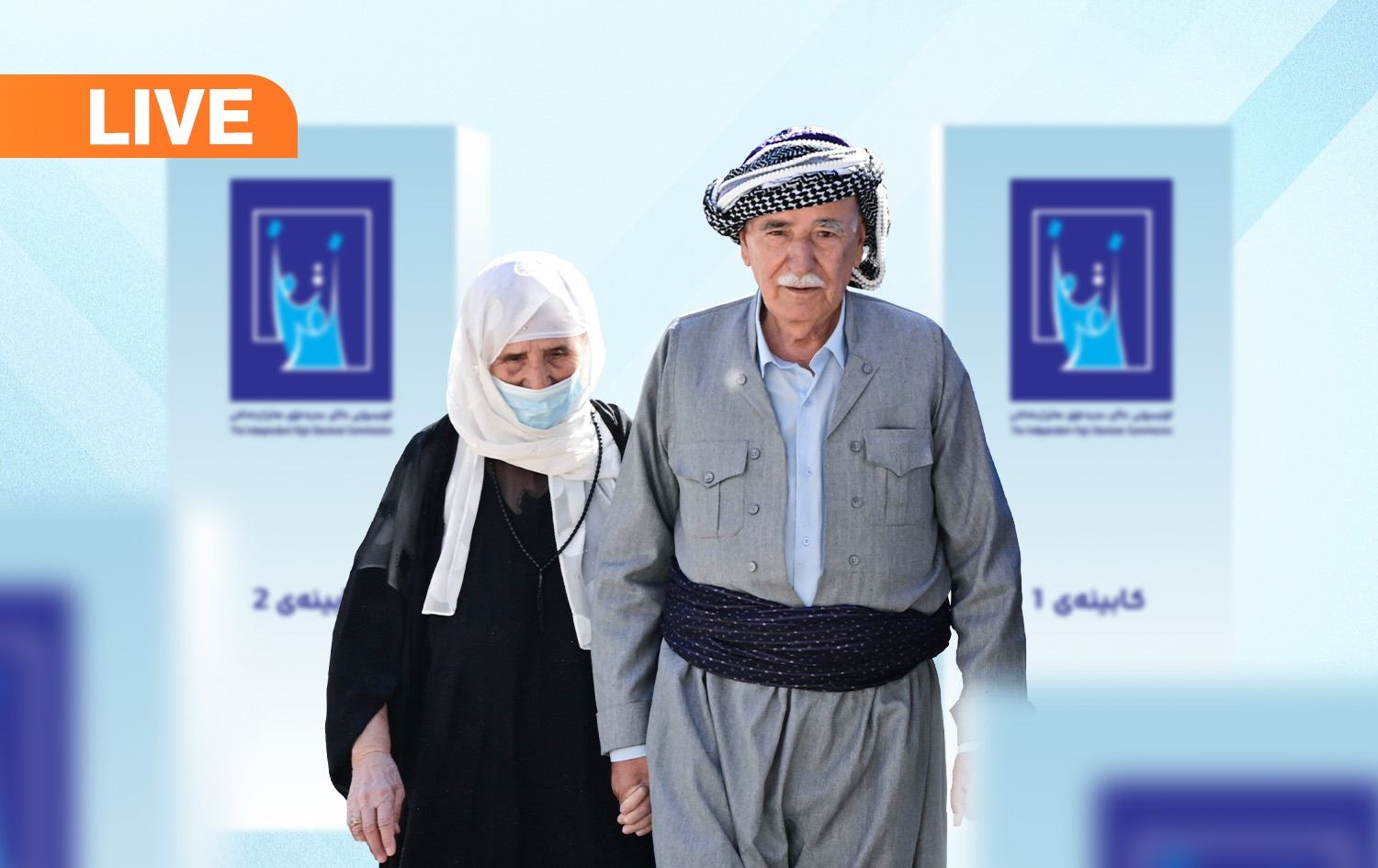
ERBIL, Kurdistan Region - Polls have officially opened across Iraq on Tuesday for the parliamentary elections. Over 21 million people are eligible to vote.
In total, 31 alliances, 38 political parties, 23 independent candidates, and 56 quota candidates are competing for 329 parliamentary seats, including nine reserved for minority groups.
Early voting for the legislative elections began on Sunday, with the general process taking place on Tuesday. Polling stations opened at 7 am and will close at 6 pm, with over 1.3 million members of the security forces and over 26,000 IDPs eligible to vote at 4,501 designated stations nationwide.
Kurdistan Region President Nechirvan Barzani was among first Kurdish and Iraqi politicians to cast their ballots early morning.
In a message released by the Kurdistan Region Presidency late Monday, President Barzani urged “all eligible voters to engage actively” in Tuesday’s election, “in a manner that is both civilized and free.” He emphasized that voting is not only “a right, a duty, a message, and a moral obligation,” but also “a national responsibility and a renewed opportunity” to participate in shaping “the next phase of Iraq’s political landscape.”
In total, 31 alliances, 38 political parties, 23 independent candidates, and 56 quota candidates are competing for 329 parliamentary seats, including nine reserved for minority groups.
Early voting for the legislative elections began on Sunday, with the general process taking place on Tuesday. Polling stations opened at 7 am and will close at 6 pm, with over 1.3 million members of the security forces and over 26,000 IDPs eligible to vote at 4,501 designated stations nationwide.
Kurdistan Region President Nechirvan Barzani was among first Kurdish and Iraqi politicians to cast their ballots early morning.
In a message released by the Kurdistan Region Presidency late Monday, President Barzani urged “all eligible voters to engage actively” in Tuesday’s election, “in a manner that is both civilized and free.” He emphasized that voting is not only “a right, a duty, a message, and a moral obligation,” but also “a national responsibility and a renewed opportunity” to participate in shaping “the next phase of Iraq’s political landscape.”