


Iraq

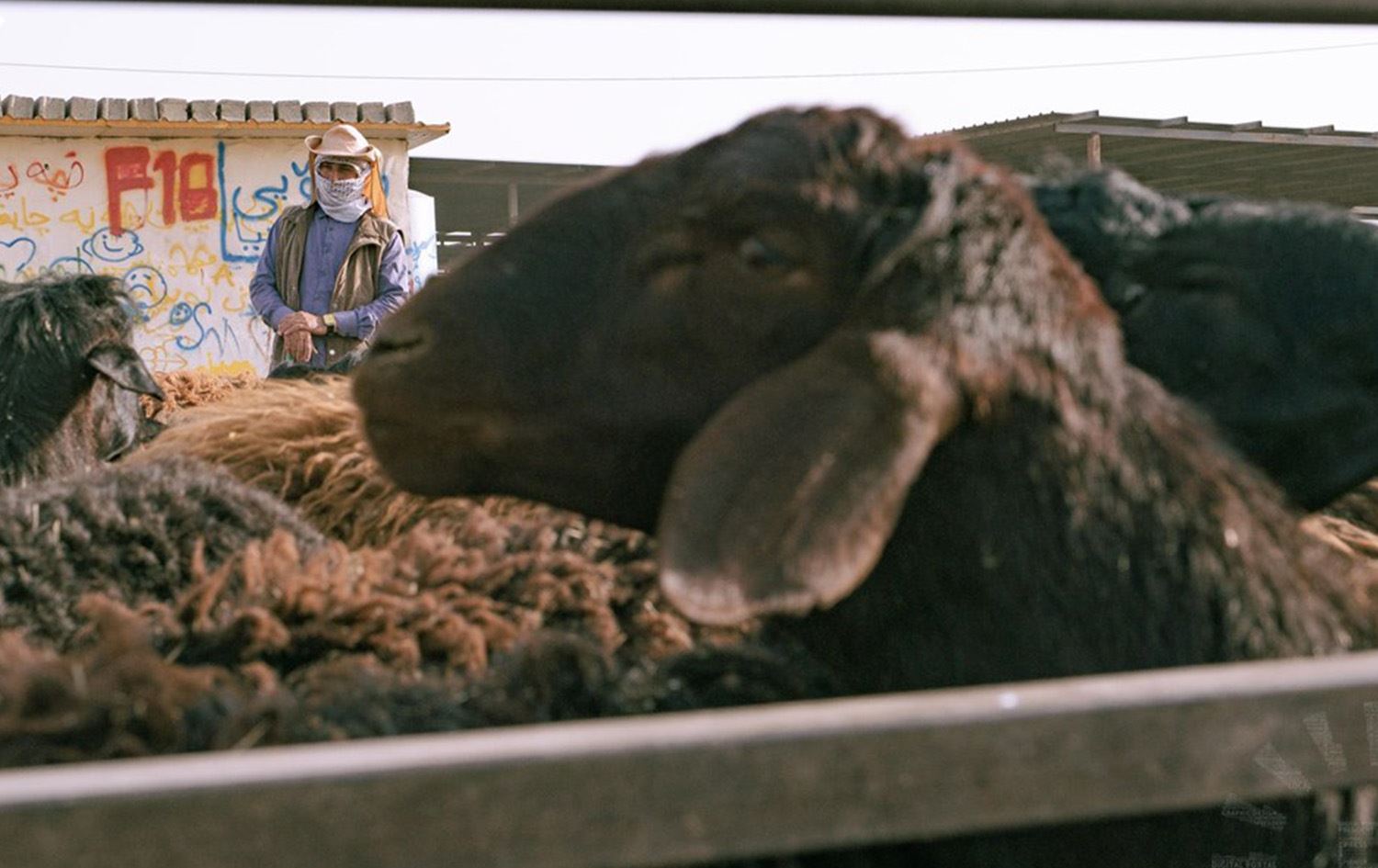
A number of sheep are pictured in the livestock market of the Kurdistan Region’s capital Erbil. Photo: Bilind T. Abdullah/Rudaw
ERBIL, Kurdistan Region - Iraq’s health ministry on Monday recorded 16 new cases and two deaths from Crimean-Congo hemorrhagic fever (CCHF), bringing the total number of cases since the beginning of the year to 231.
“The latest epidemiological update on recorded cases of Crimean-Congo hemorrhagic fever over the past few days confirms 16 new infections and two deaths,” ministry spokesperson Saif al-Badr told Rudaw, adding that the deaths occurred in Dhi Qar and Wasit provinces.
This brings the total number of infections since the beginning of the year to 231, including 30 deaths, according to Badr.
The southern province of Dhi Qar, known for rearing cattle, sheep, and goats, all of which are potential carriers of the disease, has the lion’s share of cases with 84, followed by Baghdad with 38 and Muthanna with 20.
In the Kurdistan Region, Duhok province has recorded three infections and one death, followed by two infections in Erbil and Sulaimani, respectively. Kurdish authorities have repeatedly called on citizens to refrain from slaughtering animals at home and only to purchase meat from trusted butchers.
CCHF is a highly infectious viral disease transmitted through multiple routes, including bites from infected ticks, contact with blood or tissues of infected animals, exposure to bodily fluids of infected persons, and consumption of raw or undercooked meat from infected livestock.
While some cases present with mild symptoms, the disease is frequently fatal. Severe symptoms may include internal bleeding, coma, and multi-organ failure affecting the liver, kidneys, and respiratory system. The World Health Organization estimates the fatality rate can reach up to 40%.
CCHF has been endemic in Iraq since 1979, but has seen a resurgence since 2021, particularly in the southern provinces, raising public health concerns.
“The latest epidemiological update on recorded cases of Crimean-Congo hemorrhagic fever over the past few days confirms 16 new infections and two deaths,” ministry spokesperson Saif al-Badr told Rudaw, adding that the deaths occurred in Dhi Qar and Wasit provinces.
This brings the total number of infections since the beginning of the year to 231, including 30 deaths, according to Badr.
The southern province of Dhi Qar, known for rearing cattle, sheep, and goats, all of which are potential carriers of the disease, has the lion’s share of cases with 84, followed by Baghdad with 38 and Muthanna with 20.
In the Kurdistan Region, Duhok province has recorded three infections and one death, followed by two infections in Erbil and Sulaimani, respectively. Kurdish authorities have repeatedly called on citizens to refrain from slaughtering animals at home and only to purchase meat from trusted butchers.
CCHF is a highly infectious viral disease transmitted through multiple routes, including bites from infected ticks, contact with blood or tissues of infected animals, exposure to bodily fluids of infected persons, and consumption of raw or undercooked meat from infected livestock.
While some cases present with mild symptoms, the disease is frequently fatal. Severe symptoms may include internal bleeding, coma, and multi-organ failure affecting the liver, kidneys, and respiratory system. The World Health Organization estimates the fatality rate can reach up to 40%.
CCHF has been endemic in Iraq since 1979, but has seen a resurgence since 2021, particularly in the southern provinces, raising public health concerns.


Comments
Rudaw moderates all comments submitted on our website. We welcome comments which are relevant to the article and encourage further discussion about the issues that matter to you. We also welcome constructive criticism about Rudaw.
To be approved for publication, however, your comments must meet our community guidelines.
We will not tolerate the following: profanity, threats, personal attacks, vulgarity, abuse (such as sexism, racism, homophobia or xenophobia), or commercial or personal promotion.
Comments that do not meet our guidelines will be rejected. Comments are not edited – they are either approved or rejected.
Post a comment