


BARCELONA, Spain – A judge in Spain has ruled that a court case involving five Spanish soldiers accused of torturing prisoners in Iraq in 2004 should be dismissed for lack of evidence and after the main accuser retracted his testimony, the El Pais newspaper reported on Monday.
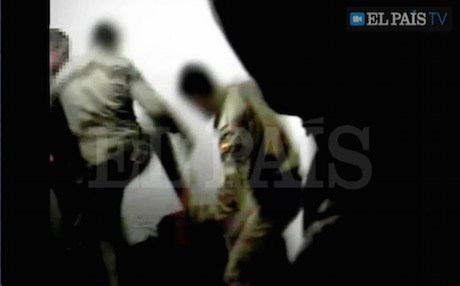
The incident came to light after El Pais published a video showing soldiers from the elite Spanish Legion kicking two prisoners at the Diwaniya military base in Iraq.
The judge in the military court issued a provisional ruling dismissing the case on grounds that the aggressors or victims cannot be identified in the video.
The 40-second video, published in the newspaper’s website in 2013, shows five Spanish soldiers entering a cell at a detention center in Diwaniya. Three of the soldiers are seen kicking two prisoners as two other soldiers look on.
The ruling called the behavior of the Legionnaires “infamous, execrable and ignominious.”
Defence lawyers had requested that the case be dismissed, but the prosecution called for a provisional dismissal, meaning the case can be reopened if new evidence comes to light.
The newspaper reported that a witness who had identified the accused in court in June 2014 had later retracted his testimony. It said at least seven military commanders had met the accuser, who has been identified only by his initials, convincing him not to collaborate with the investigation.
El Pais said he had come under massive pressure until he changed his declaration before the judge.
The accusation against the Spanish Legionnaires dates back to the same year as the Abu Ghraib prison scandal, in which American soldiers were accused of widespread abuse, torture and humiliation of prisoners at a detention facility near Baghdad.
Twelve US military personnel were convicted in 2005 by an Army courts martial in connection with the case, but the main accused served less than two years in jail for her actions.
Comments
Rudaw moderates all comments submitted on our website. We welcome comments which are relevant to the article and encourage further discussion about the issues that matter to you. We also welcome constructive criticism about Rudaw.
To be approved for publication, however, your comments must meet our community guidelines.
We will not tolerate the following: profanity, threats, personal attacks, vulgarity, abuse (such as sexism, racism, homophobia or xenophobia), or commercial or personal promotion.
Comments that do not meet our guidelines will be rejected. Comments are not edited – they are either approved or rejected.
Post a comment