
ERBIL, Kurdistan Region - Health conditions in the Kurdish city of Kobane have reached a critical stage as a weeks-long siege continues to cut off water, electricity, food, and medical supplies, local health officials warned, despite a ceasefire between Kurdish-led forces and Damascus.
Ahmed Mahmoud, co-chair of the Kobane health board, told Rudaw on Tuesday hundreds of residents have fallen ill due to contaminated drinking water, while essential medicines are running out fast. “The medicine we have on hand can only suffice for patients for one more week,” Mahmoud said.
Kobane has been under a strict blockade for more than three weeks, despite an internationally brokered agreement announced in late January between the Syrian Democratic Forces (SDF) and Damascus interim government to end hostilities and integrate the civil and military institutions of the Kurdish administration in northeast Syria (Rojava) under state control.
Electricity cuts have compounded the crisis. Mahmoud said power was restored for only five hours on Sunday after more than 20 days of outages, while water remains completely cut off and official supply routes are closed.
“The roads have not been opened, and the people obtain a small amount of food through smuggling,” he said.
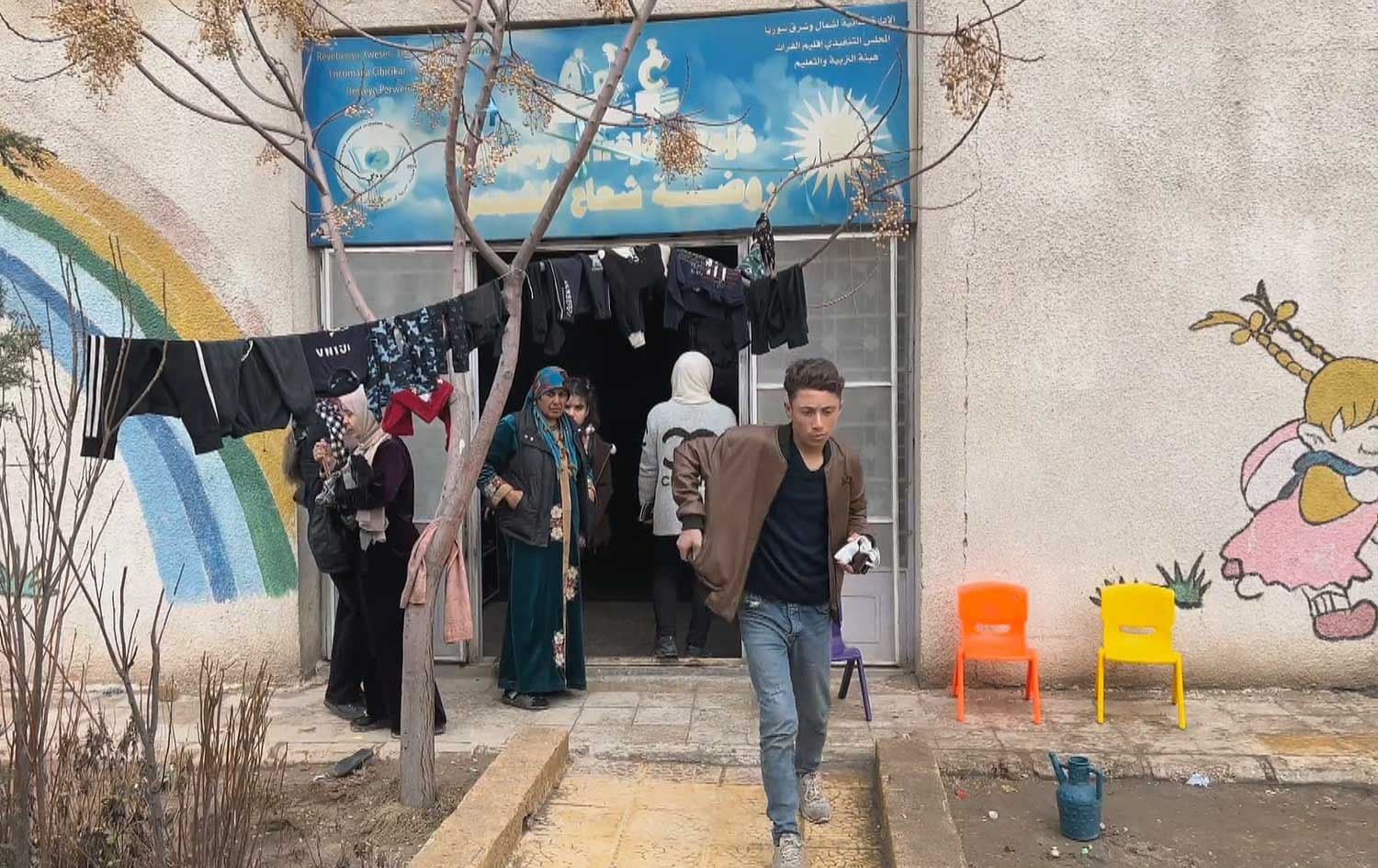
According to Kobane’s health board, five hospitals are currently operating inside Kobane - three public and two private - but the system is overwhelmed by a growing influx of displaced people.
Mahmoud said that, however, there are five health centers in rural villages, but they are “under the control of the interim government marauders and are currently not providing services,” Mahmoud added.
Since residents rely on well water for drinking, according to Mahmoud, “which is unsterilized and lacks chlorine,” diseases have spread among the people, and “cases of poisoning have broken out.”
He reported that at least 500 people have suffered from diarrhea, vomiting, and poisoning linked to contaminated water.
According to him, seasonal illnesses have also increased amid cold weather, with "each public hospital receiving between 300 and 400 patients daily."
Shortages extend beyond basic medicines. Mahmoud said Kobane’s hospitals are facing severe deficits in surgical supplies, laboratory materials, and specialized drugs. Anti-rabies medication for dog bites has been completely exhausted.
Among the most urgent cases are cancer patients left without treatment. “We have recorded 26 cancer cases who need medication that we do not have; they must be urgently moved to Aleppo or Damascus,” Mahmoud said, warning that their condition is deteriorating by the day.
The unfolding health emergency comes as a local official warned Monday that Kobane remains under a crippling humanitarian siege.
“The situation is heading toward a catastrophe day by day. It has been more than 10 days since the agreement between the SDF and the Damascus government was signed... but in Kobane, even after 10 days, only the ceasefire has been put into effect,” Adnan Bozan, head of the Kurdish National Council’s (ENKS/KNC) office in Kobane, the main opposition umbrella group in Rojava, told Rudaw, adding that while shelling has stopped, the siege remains in place.
In mid-January, the Syrian Arab Army and allied armed groups launched a large-scale offensive to push back Rojava’s de facto military force, the SDF, from areas in northern and northeastern Syria, including Aleppo, Deir ez-Zor, Raqqa, and Hasaka provinces.
In late January, the SDF and Damascus announced they had reached an internationally brokered agreement to end hostilities and integrate Rojava’s civil and military institutions under state control.
Despite the agreement, the Kurdish city of Kobane remains under a strict blockade that has been ongoing for over three weeks.