
ERBIL, Kurdistan Region - A Kurdish fighter released from Syrian government custody has alleged systematic torture and arbitrary detentions, saying prisoners were abused daily and civilians were rounded up to be used in negotiations.
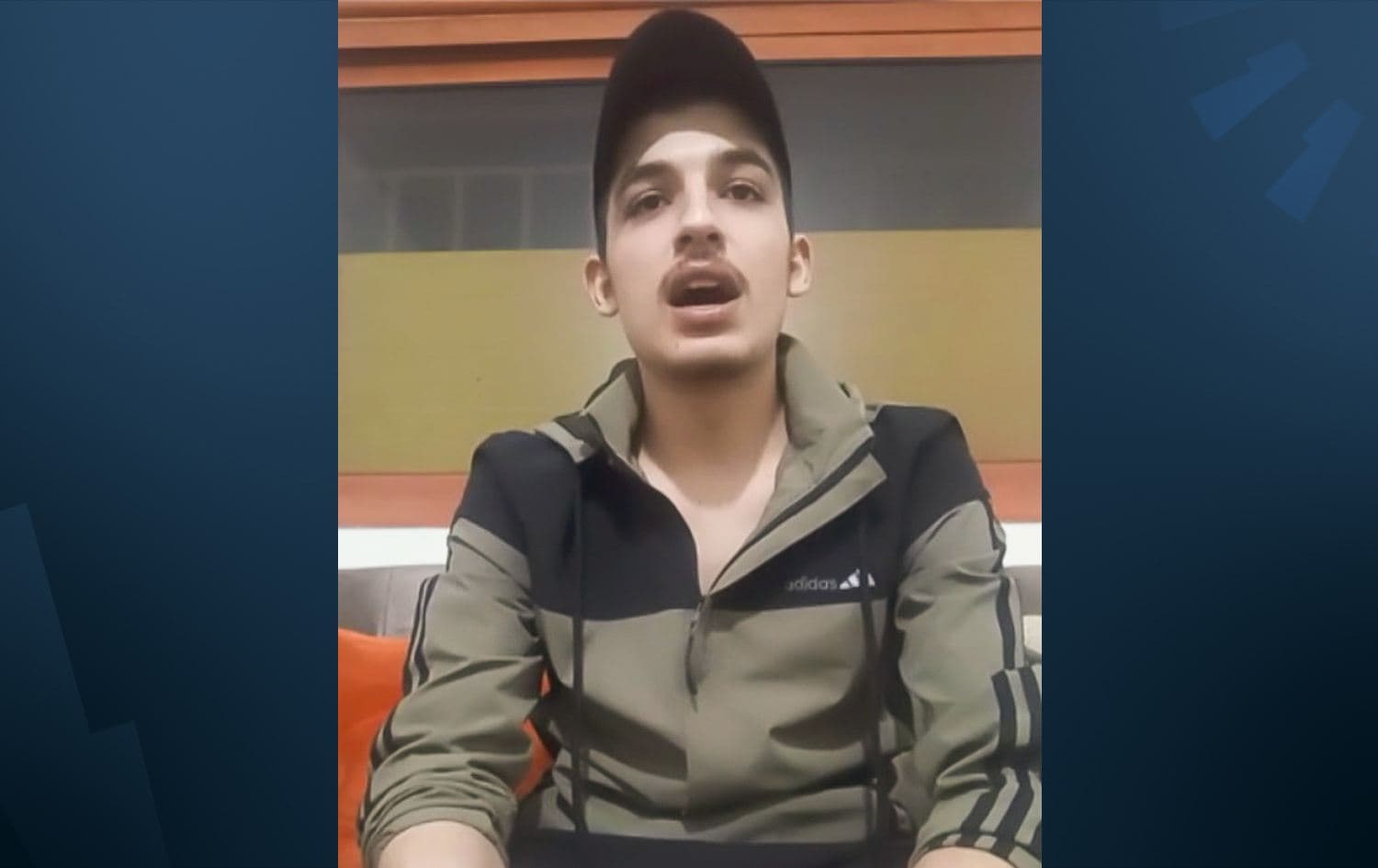
“They tortured us every day in prison,” Ismail Sheikhmous, a newly-released fighter with the People’s Protection Units (YPG), the backbone of the Kurdish-led Syrian Democratic Forces (SDF), told Rudaw's Dilbxwin Dara in an interview on Sunday, referring to Syrian government forces.
Sheikmus was captured during a period of intense escalation between Syrian government forces and the SDF earlier this year, following a Damascus-led offensive across northeast Syria (Rojava) that triggered heavy clashes in areas including Aleppo’s countryside and other contested frontlines.
After spending three months in detention, and having been taken not in combat but following a withdrawal agreement in Rojava, he recounted the harsh conditions inside Syrian-run prisons.
Sheikmus alleged that detainees were subjected to daily torture by Syrian security forces. “They beat us with green hoses and sticks," he said, adding that: "Our food for every 24 hours was just one piece of bread and some tomato broth.”
Despite the conditions, Sheikmus said detainees maintained morale and staged a hunger strike in protest.
He also accused Syrian authorities of targeting Kurdish civilians to inflate detainee numbers for use in prisoner exchanges.
“90 percent of those detained civilians were Kurds. They arrested civilians to increase the prisoner count during negotiations and to swap them for their own prisoners held by other parties,” he said.
Following weeks of heavy fighting during a Damascus-led offensive against the Kurdish areas in Rojava earlier this year, the Syrian government and the SDF reached a January agreement to de-escalate tensions and begin a phased political and military process.
The offensive had pushed the SDF to withdraw from parts of eastern Aleppo, Deir ez-Zor, Raqqa, and Hasaka province, areas it had controlled after the fight against Islamic State (ISIS).
Under the deal, both sides also agreed on a gradual prisoner exchange process and broader integration steps, including the formation of three SDF brigades within the Syrian army and the incorporation of the Democratic Autonomous Administration of North and East Syria (DAANES) into state institutions. Since then, negotiations have continued over unresolved issues, particularly detainees and missing persons.
In mid-March, the two sides exchanged 600 prisoners - 300 from Damascus and 300 from the SDF - marking the third phase of such swaps. Previous rounds saw 100 and seven prisoners released, while officials say the SDF is expected to release “the last batch of its detainees” in the next phase as part of the broader implementation of the agreement.
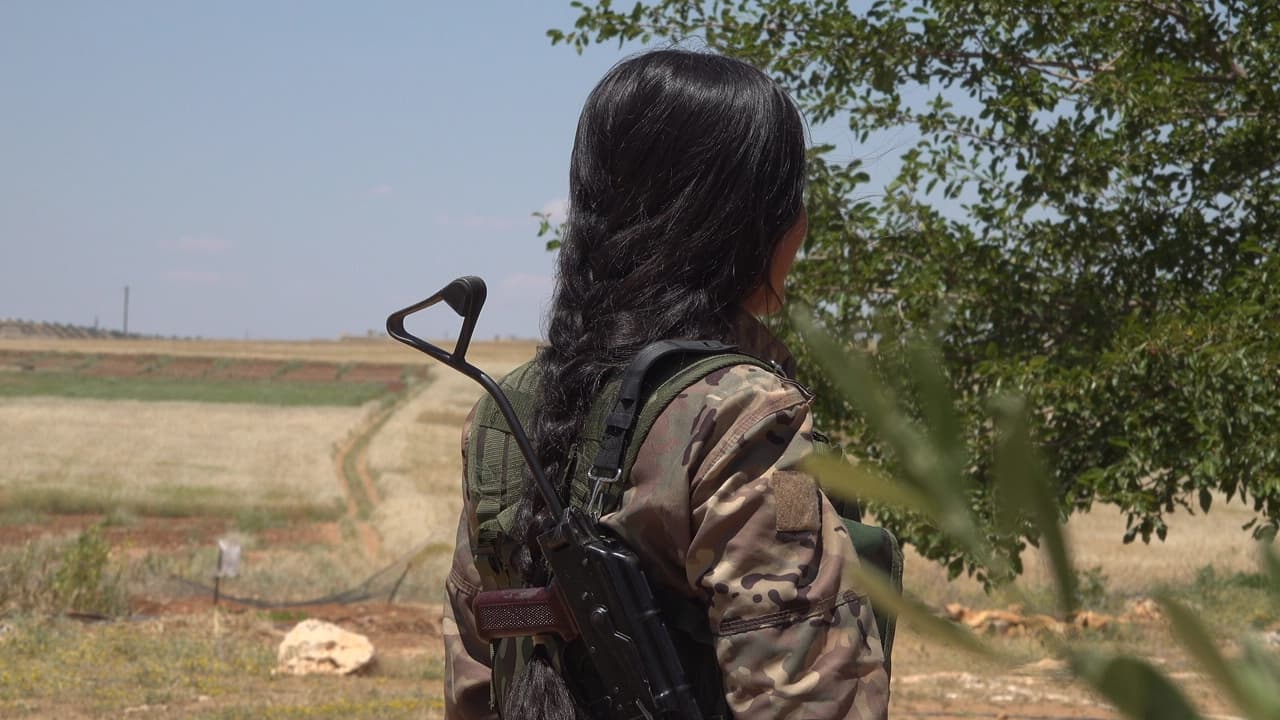
In his remarks, Sheikmus added that around 150 fighters were detained and transferred to a political prison in Aleppo.
According to Sheikmus, only about 50 of the original 150 detainees have been released, with many others - including female fighters from the Women’s Protection Units (YPJ) - still held in solitary confinement in Aleppo.
He called on relevant parties to take immediate action to secure the release of all remaining prisoners.