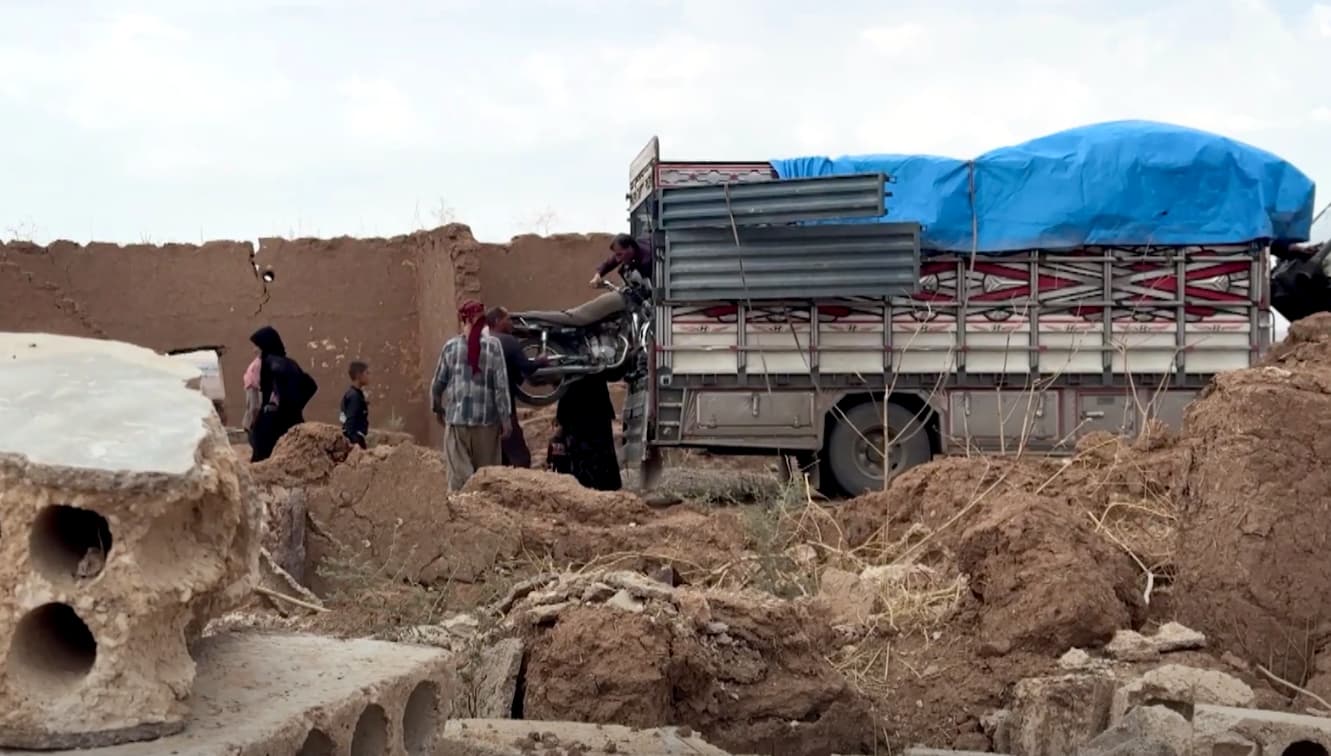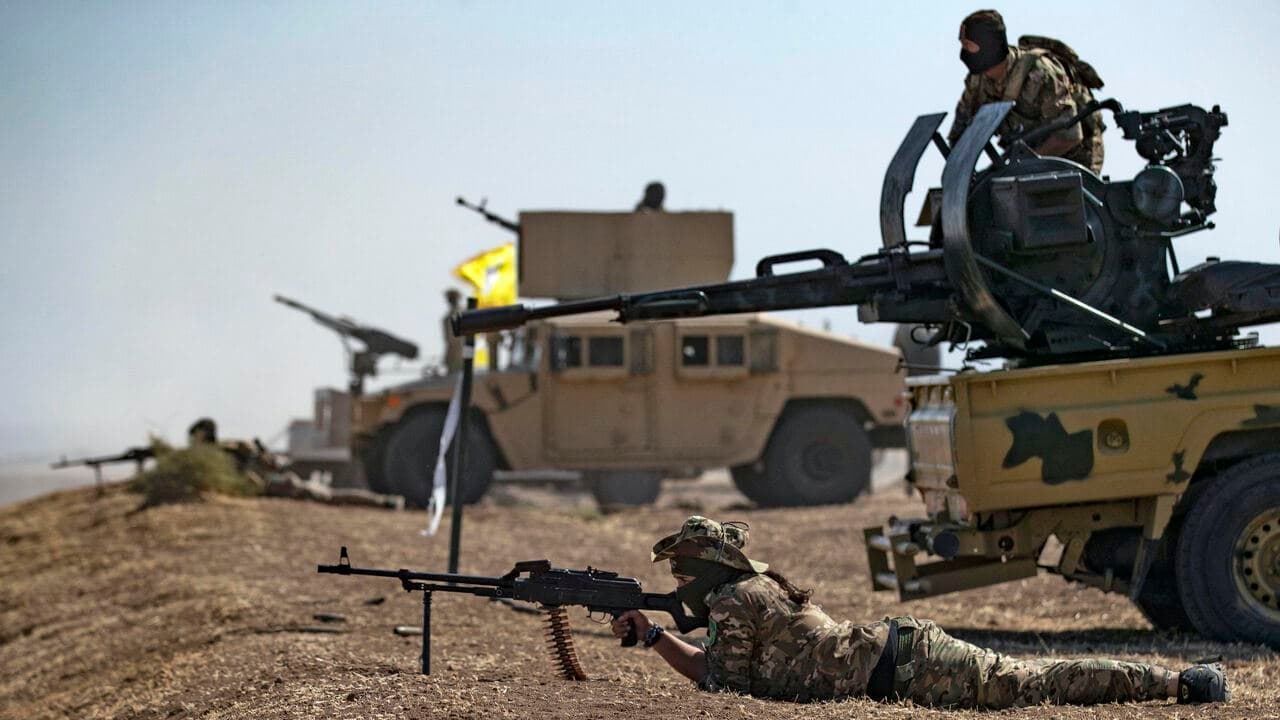

ERBIL, Kurdistan Region - An official from the Kurdish-led Syrian Democratic Forces (SDF) has affirmed that portions of the Arab tribes in northeastern Syria continue to cooperate with them. His remarks follow last month’s developments, during which a number of Arab fighters previously affiliated with the SDF joined the Syrian Arab Army and allied armed factions amid clashes in SDF-controlled areas.
The defections occurred during a major offensive carried out by Damascus-aligned armed groups against SDF-held territories in northeastern Syria. In several areas, former SDF members from Arab tribal backgrounds reportedly switched allegiance and took part in operations against the Kurdish-led force.
Hostilities subsided in late January after an internationally brokered ceasefire between the SDF and Damascus-affiliated factions. The agreement outlines the gradual integration of the civil and military institutions of northeast Syria - also known as Rojava - into Syrian state structures.
Abdul Azeez Younis, media officer for the SDF in the Euphrates region, stated that the group had not relied exclusively on Arab fighters, nor had it assumed their continued alliance was guaranteed, despite years of joint operations against the Islamic State (ISIS).
“We have never said we are against Arabs, nor that Arabs are against us,” Younis said. “Our issue is with chauvinistic ideologies that seek to erase the Kurdish nation, its language, and its culture.”
He emphasized that the SDF has consistently sought cooperation with all communities based on what he described as a “new vision” for a democratic and decentralized Syria.
“It would be unjust to say that all Arab tribes are antagonistic toward us, because many continue to work with us,” he added.
Younis also referenced the lasting impact of the six-decade rule of Syria’s Baathist regime, which he characterized as having marginalized and oppressed the Kurdish population. He said that this ideological legacy has influenced various political currents, including segments of the opposition.
“Such ideologies have affected intellectual and political movements alike,” he said, adding that extremist formations, including ISIS and factions within the Free Syrian Army, had negatively impacted Arab society.
He further noted that during the SDF’s withdrawal from Raqqa, several Kurdish fighters were reportedly abducted and killed by radical elements.
“These acts were carried out by extremist individuals,” he said.
Despite recent tensions, Younis underscored the SDF’s multiethnic composition, noting that Arab members remain within its ranks.
“We cannot say that all Arabs have betrayed us, just as we cannot claim that all Kurds are beyond fault,” he said.
Following the ceasefire agreement between the SDF and Syria’s transitional authorities in Damascus - brokered with international mediation, including support from the United States - Younis stressed that Kurdish unity would be critical moving forward.
“This is the message from President Masoud Barzani, President Nechirvan Barzani, and General Mazloum Abdi,” he said. “They continue to advocate for Kurdish unity and brotherhood.”