


Syria

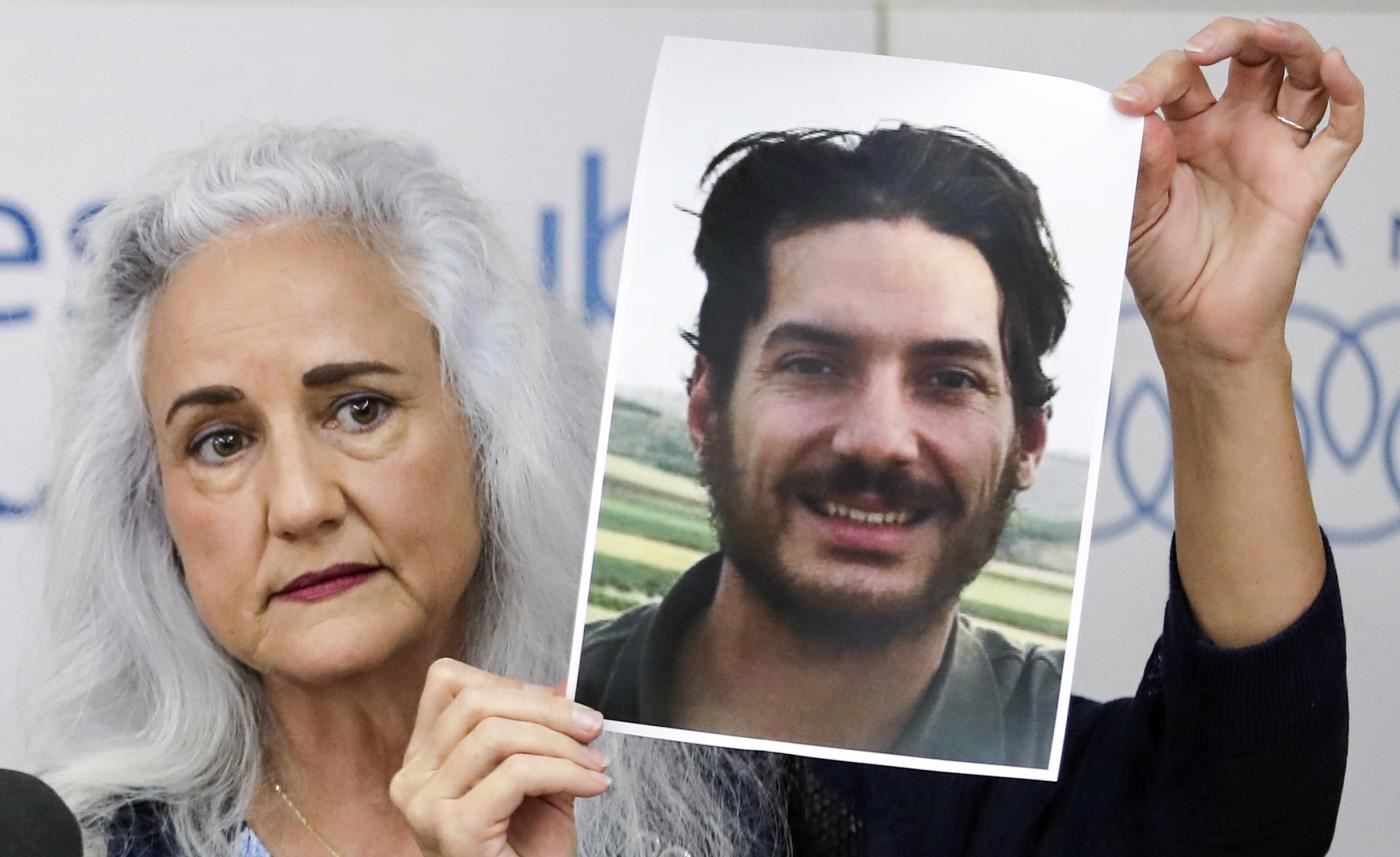
In 2018, US authorities announced $1m reward for information leading to Tice's recovery. File photo: AFP
ERBIL, Kurdistan Region — An American official visited Damascus this year for several secret meetings aimed at securing the release of at least two US citizens in Syrian detention, Washington officials told the Wall Street Journal. This is the first high-level meeting between the American and Syrian governments in over a decade.
Declining to say who exactly he met with, the anonymous officials said Kash Patel, a deputy assistant to US President Donald Trump, arrived in Damascus for a series of meetings with Syrian officials in President Bashar al-Assad’s government.
The meetings were allegedly focused on the release of freelance journalist Austin Tice, who disappeared while reporting in 2012, as well as Syrian-American therapist Majd Kamalmaz, who went missing in 2017 after being stopped at a regime checkpoint. Several other US citizens are believed to be in Syrian custody as well.
“This administration is committed to our dad’s case, and we continue to speak with officials at the highest levels of the US Government to bring dad home,” said Ibrahim Kamalmaz, the son of one of the missing, on Sunday.
The last reported meeting between US and Syrian officials took place in 2010, with the former cutting diplomatic ties with Assad’s administration in 2012 after the crackdown on protesters.
Tice and Kamalmaz’s families believe the two are alive, but no evidence has been given by Syrian officials to substantiate the claims, reports the Wall Street Journal.
The officials told the newspaper that the meetings with the Syrian government made little progress.
Syrians first took to the streets in 2011 to protest against Assad, before evolving into a civil war involving multiple countries.
At least 384,000 people have since died in the conflict, including more than 116,000 civilians, the Syrian Observatory for Human Rights reported on March 14.
The conflict has displaced more than 11 million people internally and abroad.


Comments
Rudaw moderates all comments submitted on our website. We welcome comments which are relevant to the article and encourage further discussion about the issues that matter to you. We also welcome constructive criticism about Rudaw.
To be approved for publication, however, your comments must meet our community guidelines.
We will not tolerate the following: profanity, threats, personal attacks, vulgarity, abuse (such as sexism, racism, homophobia or xenophobia), or commercial or personal promotion.
Comments that do not meet our guidelines will be rejected. Comments are not edited – they are either approved or rejected.
Post a comment