ERBIL, Kurdistan Region - Turkey’s culture ministry has published a 15-volume collection of Kurdish literature, historical narratives, and cultural traditions originally compiled by Russian diplomat Aleksandr Jaba in the mid-19th century in collaboration with Kurdish scholar and polymath Mala Mahmud Bayazidi.
The initiative was the fruit of joint efforts between the ministry and the Artuklu University in the southeastern province of Mardin.
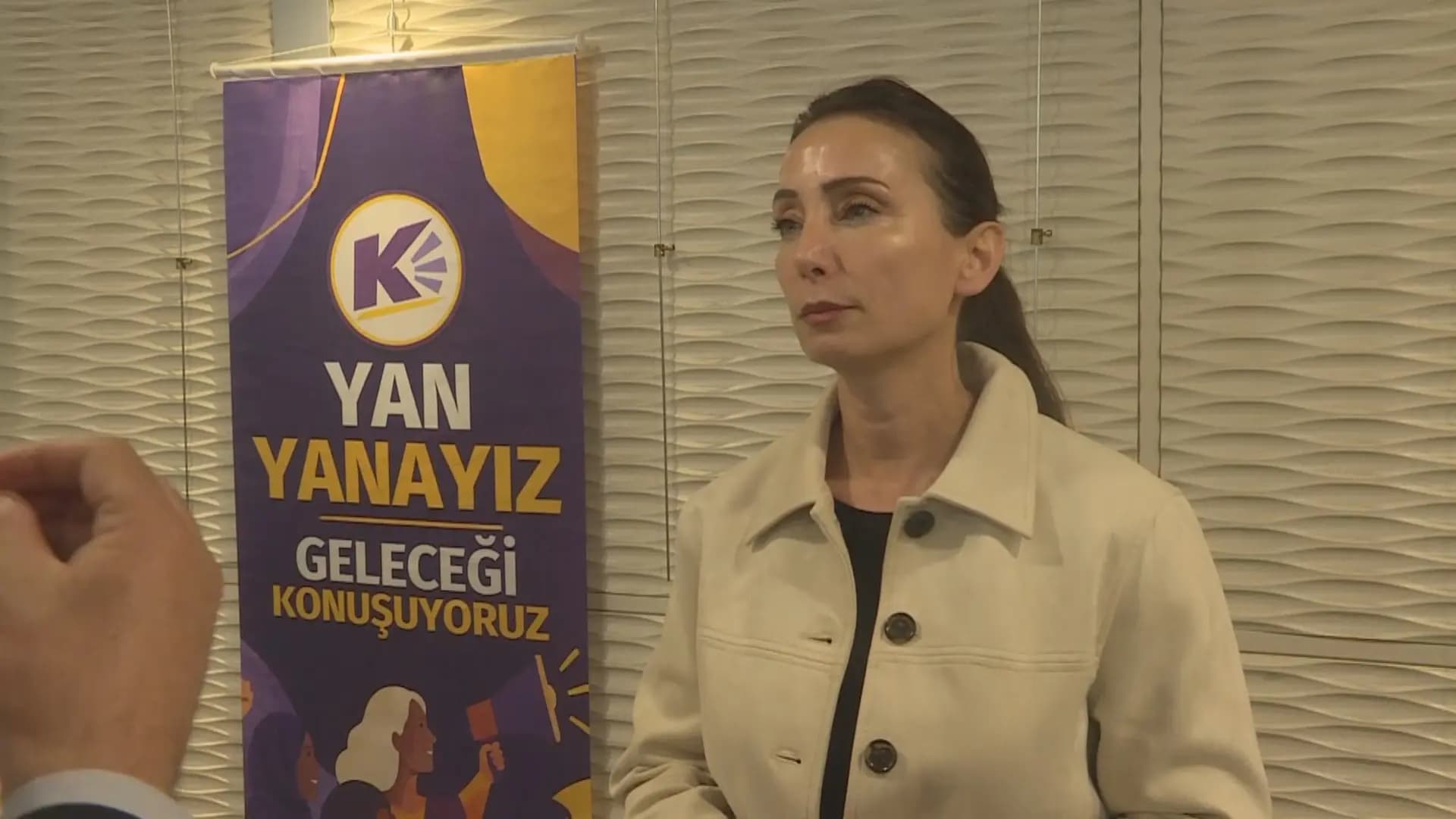
“In my opinion, two points are worth noting. First, the state has taken this task upon itself through its ministry. Second, the barrier surrounding Kurdish - that psychological barrier against Kurdish - has been broken,” Ahmad Kirkan, director of the Kurdish Institute at Artuklu University, told Rudaw.
The publication of the collection, known as the Aleksandr Jaba Collection, is seen by many as an important step toward the broader recognition of the Kurdish language in Turkey.
The Collection includes manuscripts of classical Kurdish poetry in the 17th and 18th centuries, featuring works of Sufi poets Malay Cizre and Faqiye Teyran, as well as the national Kurdish epic, Mem u Zin, by poet and philosopher Ahmadi Khani. It also archives Kurdish traditions and ancestral tales.
Jaba, a Polish-born Russian diplomat, then serving in the city of Erzurum in what is now eastern Turkey, learned Kurmanji Kurdish from Bayazidi. Together, they compiled the extensive literary archive in both Arabic and Latin scripts before the Russian diplomat sent it to the Saint Petersburg Academy of Sciences in Russia in the mid-18th century for preservation.
When Kurdish readers get a hold of this collection, “they will truly experience Kurdish life from 170 years ago, because our poems, stories, and customs are all in there,” said Ibrahim Tardush, head of the Kurdish Department at Artuklu University, in an interview with Rudaw.
“When you look at it, you may consider Mala Mahmud Bayazidi as the first Kurdish ethnographist; he wrote about customs. It is an anthropological milestone. There are 13 works, but in terms of manuscripts, there are 69,” he added.
The Kurdish language was heavily restricted for much of the 20th century following the establishment of modern Turkey in the 1920s, with public use - including speaking, publishing, and broadcasting - largely prohibited.
Turkey’s current constitution, ratified after the 1980 military coup, designates Turkish as the country’s official language. While it does not entirely prohibit the use of Kurdish, successive Turkish governments have imposed various restrictions on it.