کوردیKURDÎENGLISHTÜRKÇEعربي
Rudaw Logo
Live
Kurdistan
Middle East
OpinionsAnalysisWorldECONOMYInterviewCultureMultimedia
Live
Rudaw

Download the Rudaw app

App StoreGoogle Play
Privacy Policy•Terms of Use

© 2026 All rights reserved.

Rudaw

Download the Rudaw app

App StoreGoogle Play
Privacy PolicyTerms of Use

© 2026 All rights reserved.

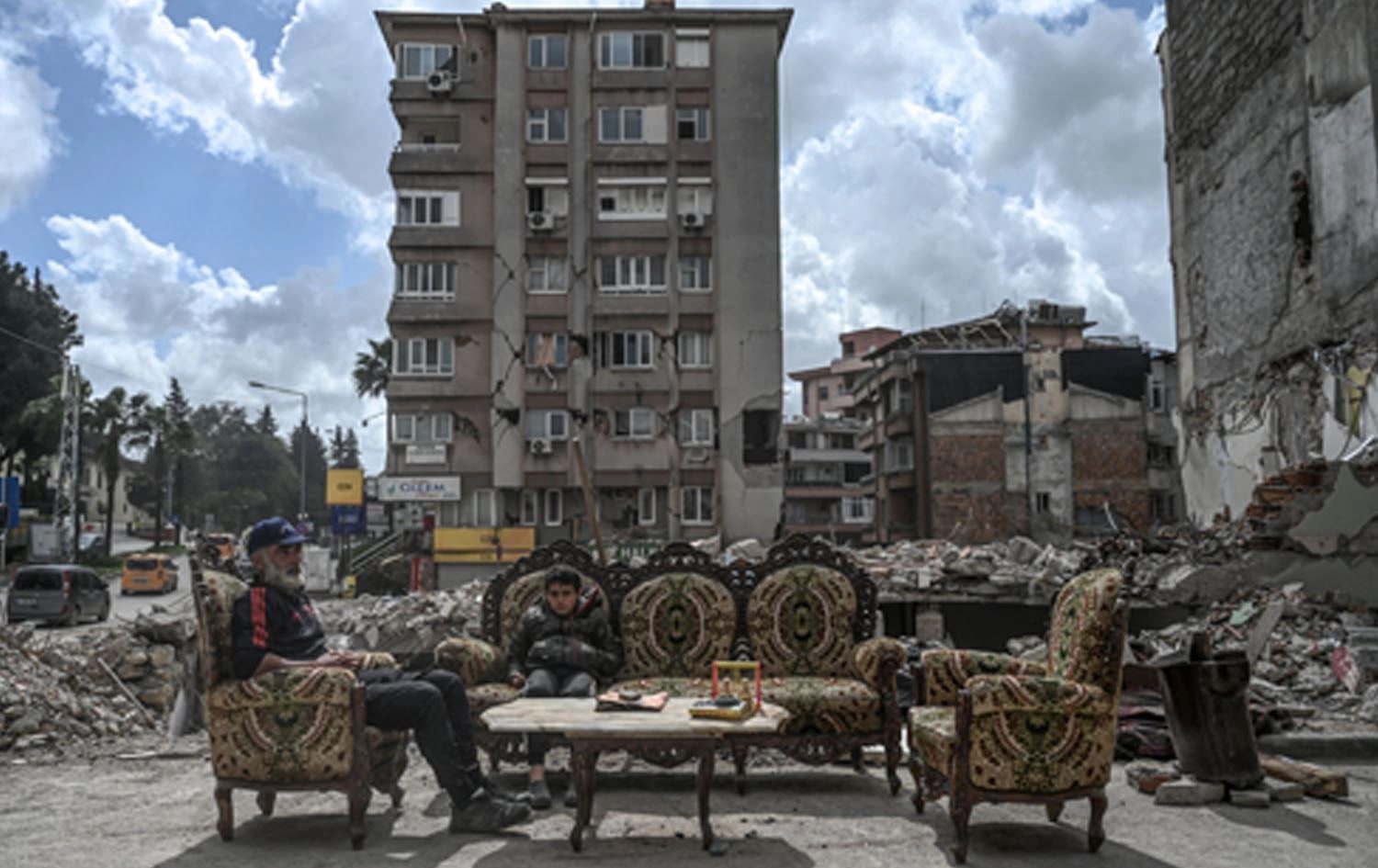
A man sits with his son amid the rubble of collapsed buildings, two months after a 7.8-magnitude jolt and its aftershocks wiped out swathes of Turkey's mountainous southeast, in Antakya on April 5, 2023. OZAN KOSE / AFP

A man sits with his son amid the rubble of collapsed buildings, two months after a 7.8-magnitude jolt and its aftershocks wiped out swathes of Turkey's mountainous southeast, in Antakya on April 5, 2023. OZAN KOSE / AFP

Turkey

Turkey earthquake death toll nears 51,000

RUDAW English

RUDAW English

22-04-2023
Listen
0:00
0:00
Text Size
RUDAW English
RUDAW English22-04-2023

Related Articles

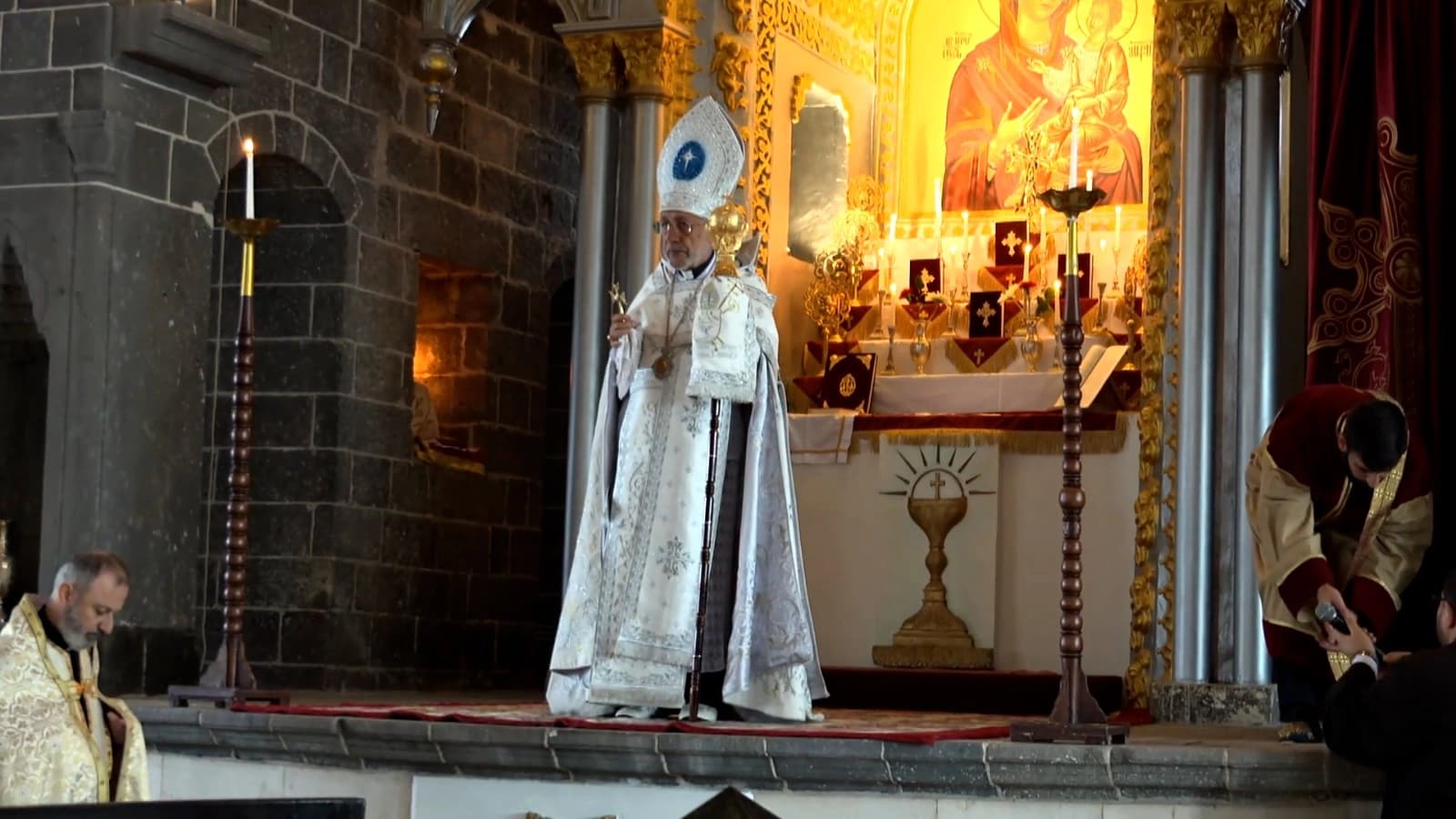
Armenian Catholic patriarch returns to ancestral homeland in landmark visit
Turkey23-11-2026

Armenian Catholic patriarch returns to ancestral homeland in landmark visit

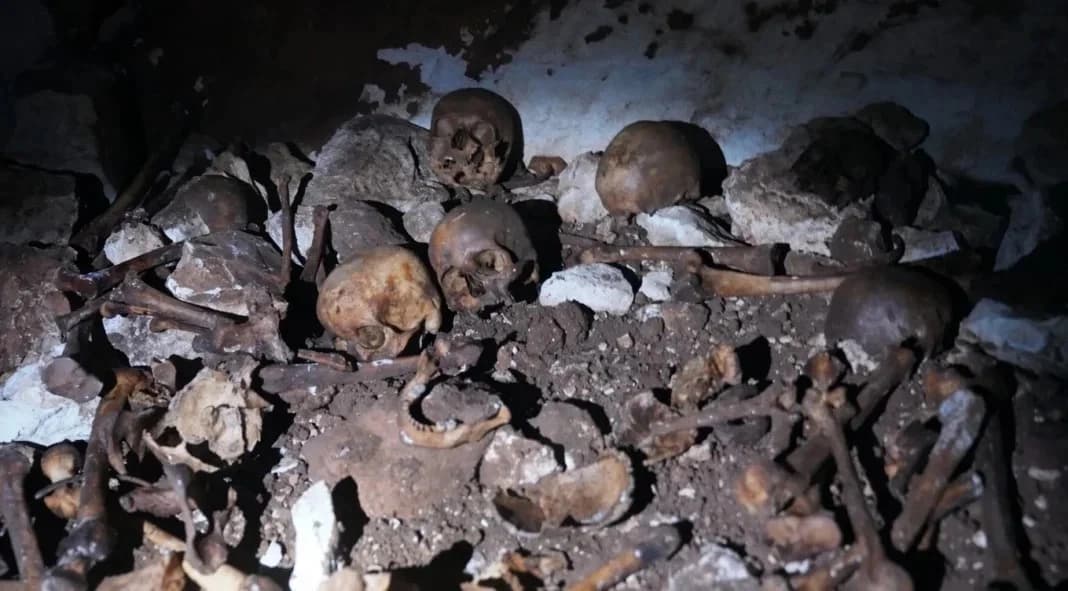
Skulls, bones found in cave prompt probes into Kurdish disappearances in Turkey
Turkey23-11-2026

Skulls, bones found in cave prompt probes into Kurdish disappearances in Turkey

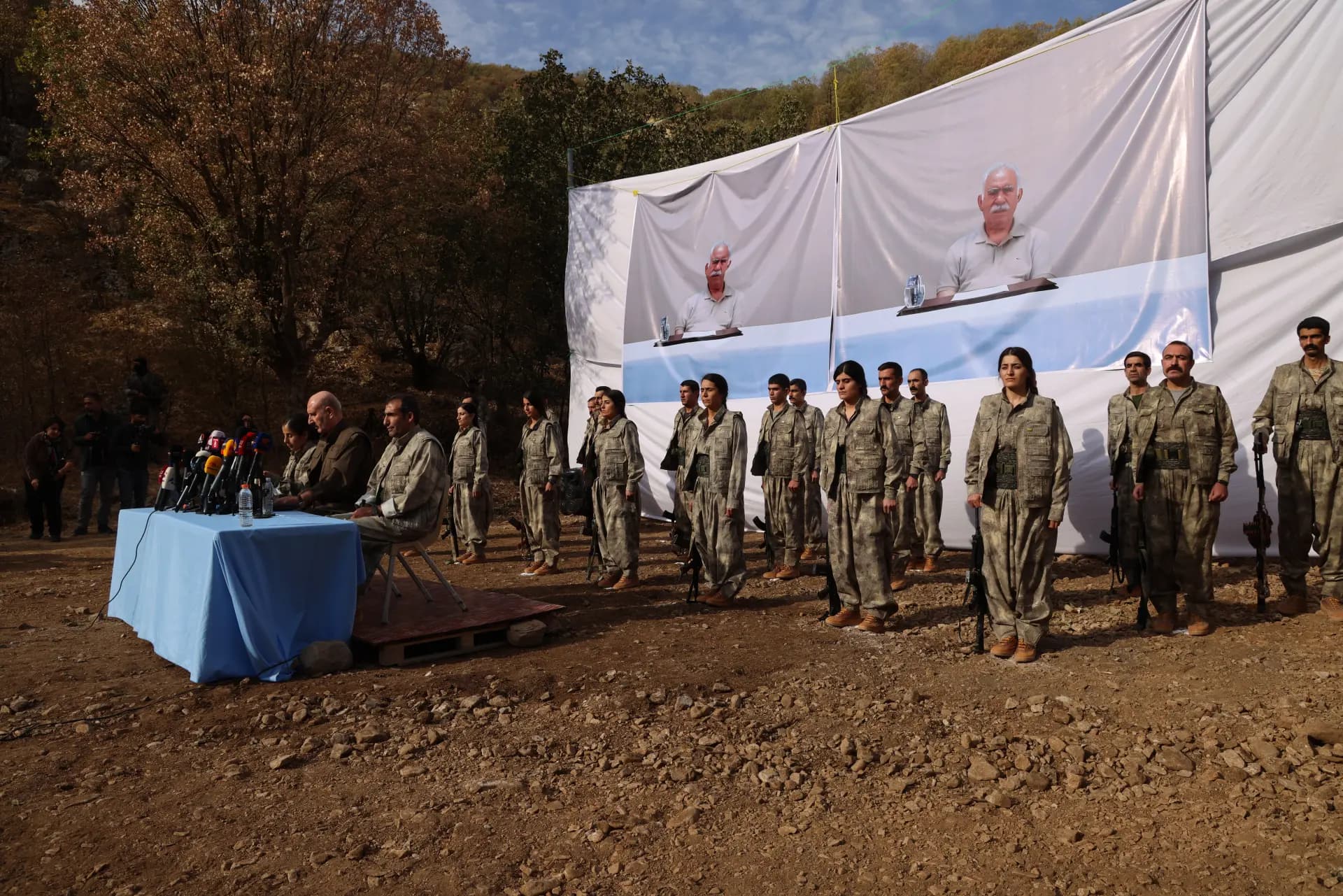
PKK abandons 14 camps, outposts near Turkish border: State media
Turkey23-11-2026

PKK abandons 14 camps, outposts near Turkish border: State media

ERBIL, Kurdistan Region - Approximately 51,000 people were killed in the devastating earthquake that shook Turkey in February, said the interior minister on Saturday.

Two quakes shook 11 provinces in southern Turkey on February 6, killing and injuring over 100,000 people and destroying thousands of buildings.

Turkey's Interior Minister Suleyman Soylu revealed on Saturday that the death toll has risen to 50,783, adding that there were people who were buried before their deaths were registered, reported CNN Turk.

The Turkish government was heavily criticized by the opposition for the slow response to the earthquake, mainly due to not taking adequate prevention measures following the recent earthquakes of Elazig (Xarpet in Kurdish) and Izmir in 2020, which killed a total of 161 people.

Three years following the earthquake in Elazig, some victims have been compensated with residential units.

However, many victims of the same natural disaster are angry as they feel ignored.

Following the February quakes, president Recep Tayyip Erdogan promised compensation and restoration of the collapsed buildings and handing over the new residential units within a year.

On Saturday, Erdogan handed over the keys of new houses to victims of the latest quakes in Gaziantep (Dilok in Kurdish) and Kahramanmaras provinces.

Nevertheless, these efforts are seen as mere campaigning for the upcoming elections in May as Erdogan is facing his toughest challenge to date, as his popularity is at its lowest, according to polls.

Many Turkish citizens vocally asked for the resignation of the government, seeing it responsible for not taking adequate measures for such emergency cases, especially after the earthquake in Elazig.
Related Articles

Armenian Catholic patriarch returns to ancestral homeland in landmark visit
Turkey23-11-2026

Armenian Catholic patriarch returns to ancestral homeland in landmark visit

Skulls, bones found in cave prompt probes into Kurdish disappearances in Turkey
Turkey23-11-2026

Skulls, bones found in cave prompt probes into Kurdish disappearances in Turkey

PKK abandons 14 camps, outposts near Turkish border: State media
Turkey23-11-2026

PKK abandons 14 camps, outposts near Turkish border: State media

Questions