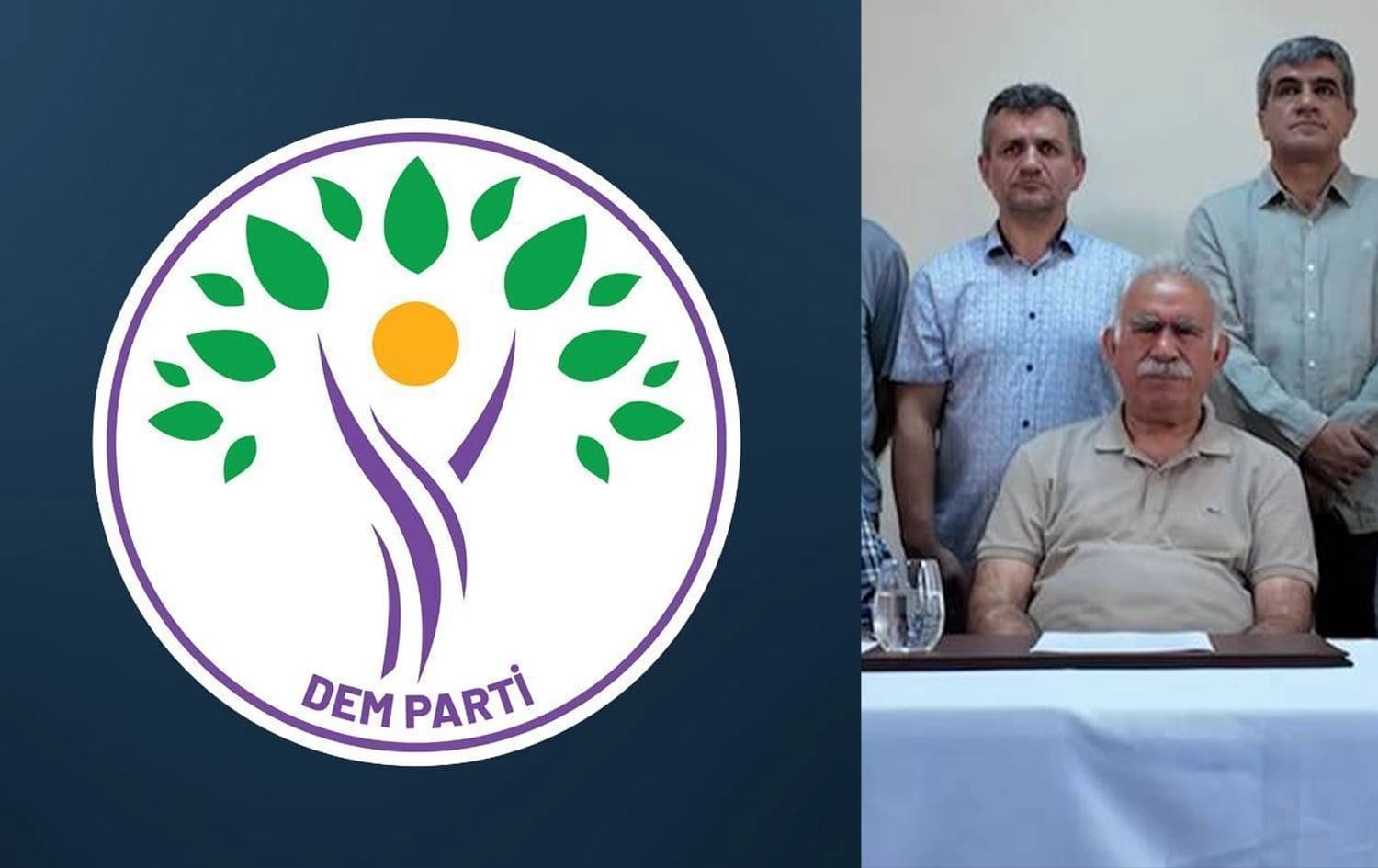

ERBIL, Kurdistan Region - A delegation from Turkey’s main pro-Kurdish Peoples’ Equality and Democracy Party (DEM Party) is scheduled to visit jailed Kurdistan Workers’ Party (PKK) leader Abdullah Ocalan on Thursday, as the Turkish legislature continues its efforts to establish a legal framework for sustainable peace between Ankara and the Kurdish group.
In a statement, the DEM Party announced that the delegation will comprise lawmaker and chief peace negotiator Pervin Buldan, fellow lawmaker Mithat Sancar, and Ocalan’s longtime legal representative, Faik Ozgur Erol.
For his part, Turkish President Recep Tayyip Erdogan stated on Tuesday that no one will be able to obstruct the peace process, which he and other officials have termed the “Terror-Free Turkey” initiative.
“No one will be able to stand in the way of the atmosphere of hope formed with the support of our nation this time,” Erdogan said in a speech in the Kurdish province of Malazgirt, adding that Turkey is the “guarantor of security, peace, and well-being of Kurds” in Syria.
Founded in 1978, the PKK initially sought to establish an independent Kurdish state but later shifted its focus to pursuing broader political and cultural rights for Kurds in Turkey.
The peace process was reignited in October after veteran Turkish politician Devlet Bahceli, leader of the far-right Nationalist Movement Party (MHP) and a key ally of Erdogan, called for Ocalan to be allowed to address the Turkish parliament and declare the PKK’s dissolution.
In the months that followed, the DEM Party took the lead in mediation efforts, holding several meetings with Ocalan. These efforts culminated in May, when the PKK officially declared its dissolution and an end to its four-decade-long armed campaign. The announcement followed Ocalan’s appeal in February calling for a democratic and political resolution to a conflict that has claimed nearly 40,000 lives.
As a symbolic gesture of goodwill, the first group of PKK fighters publicly set fire to their weapons in a ceremony held in Iraq’s Sulaimani province in early July.
Later that month, the Turkish parliament responded by forming a special commission tasked with charting a course toward lasting peace between Ankara and the PKK. The commission includes representatives from all major political parties, including the DEM Party, the main opposition Republican People’s Party (CHP), and the ruling Justice and Development Party (AKP).
DEM Party lawmaker Sezai Temelli told reporters on Monday that the commission’s primary responsibility is to draft the “legal regulations necessary for this period into effect as soon as possible.”
The commission has held meetings with the families of both Turkish soldiers and PKK fighters. The DEM Party has emphasized that the commission must also hear from Ocalan.
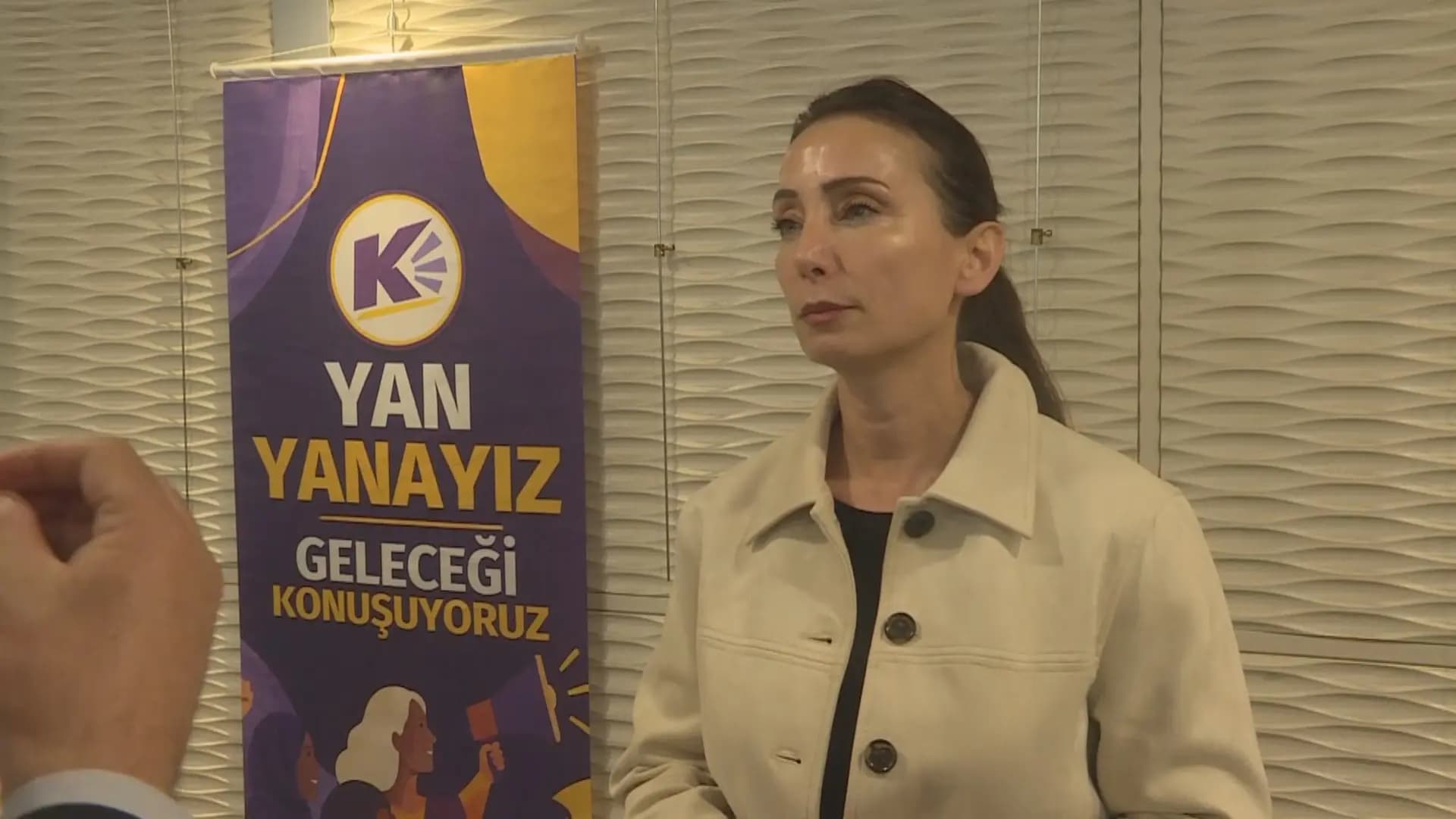
“If this commission truly aims to end the conflict and ensure permanent peace, it must, of course, engage all stakeholders. First and foremost, it should hear from Mr. Ocalan,” DEM Party spokesperson Aysegul Dogan said last week.
Controversy arose last week when the commission reportedly barred a Kurdish mother from speaking in Kurdish during a meeting. When DEM Party lawmakers and other attendees offered to interpret for her, the commission refused to accept the use of Kurdish, according to Dogan.
“It is the duty of the commission to provide an interpreter or create space for a mother who wishes to speak in Kurdish in front of the parliamentary commission,” Dogan said. “Demonstrating such maturity is essential.”
The Kurdish language was banned in official settings in Turkey following the establishment of the republic. Although the AKP government relaxed the ban a decade ago - allowing informal use of Kurdish and offering elective Kurdish-language courses in schools - its use remains limited in formal and institutional contexts.