


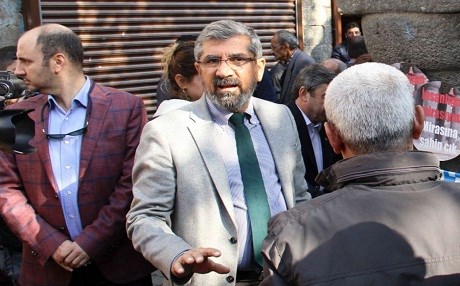
ERBIL, Kurdistan Region — Lawyers and activists remembered the third anniversary of the killing of prominent Kurdish lawyer, Tahir Elci, who was assassinated three years ago while delivering a speech against the rise of violence in the country.
“We will bring to account the government — which is the enemy of courage — for the crimes with unknown perpetrators,” tweeted the pro-Kurdish Peoples’ Democratic Party (HDP) late Tuesday, adding that Elci will “shed a light on our path to our imagined democratic and free country.”
The perpetrators responsible for the death of Elci, the former chairman of Diyarbakir Bar Association, have not been found or sentenced allegedly due to a lack of documents.
However, political activists, fellow lawyers, and the HDP have claimed the assassination was pre-planned and that the government wants to “protect” murderers — something denied by former President of the country, Abdullah Gul, who added the target was Turkey, not Elci.
Elci was detained by police several times and reportedly received death threats for his position on the outlawed Kurdistan Workers’ Party (PKK), which he refused to term as a terrorist organization.
Turkish sociologist, Ismail Besikci, shared the lyrics of deceased Kurdish singer Ahmet Kaya in a tribute to Diyarbakir.
“I am lying in the center of Diyarbakir [after] being hit, I know will identify the sound of this bullet no matter where,” goes the lyric.
People were reportedly not allowed to join Wednesday’s marching outside Diyarbakir court.
The marchers carried slogans like: “Those who protect the murderers share the crime.”
Turkey has been criticized numerous times in recent years by international rights organizations for its quelling of dissent against the state. Government officials dismiss the reports and say they are defending the republic and adhere to international legal norms and standards.
Comments
Rudaw moderates all comments submitted on our website. We welcome comments which are relevant to the article and encourage further discussion about the issues that matter to you. We also welcome constructive criticism about Rudaw.
To be approved for publication, however, your comments must meet our community guidelines.
We will not tolerate the following: profanity, threats, personal attacks, vulgarity, abuse (such as sexism, racism, homophobia or xenophobia), or commercial or personal promotion.
Comments that do not meet our guidelines will be rejected. Comments are not edited – they are either approved or rejected.
Post a comment