



Error occured during this request! Please try again later.
While I was living in Turkey many years ago, a friend from Diyarbakir told me a joke: In a forest in North America, there was a training camp for secret service agents. There was an American CIA team, an Israeli Mossad team and a Turkish MIT team in training. Their mission for the day was to go into the forest, find a zebra and bring it back. The CIA team called Washington D.C.’s city zoo, located a zebra there, and mounted a big expensive operation to fly it over. The Mossad team found a horse in the forest, painted black and white stripes on it and declared “Y’allah, we have a zebra!” The MIT team went off into the forest and after two days still did not return. The next day, the camp trainers went looking for the MIT team. They found them on the other side of the forest, where they had caught a deer. They were torturing the deer and yelling at it: “Admit that you are a zebra!”
Like many jokes, this one played on national stereotypes. The Americans are viewed as always ready to throw a lot of money and resources at any challenge or problem they face. The Israelis are viewed as intelligent and innovative (if one wants to apply a positive stereotype), or duplicitous and tricky (if one wants to be less generous). The Turks are viewed as determined (the generous view) or obstinate, in denial and brutal (the less generous view).
Your humble columnist knows that stereotypes unfairly generalize, of course. He has met plenty of thrifty Americans, extremely frank and honest Israelis, and thoughtful, sensitive Turks. A recent statement by Turkish Foreign Minister Mevlüt Çavuşoğlu, however, seemed to play right into the Turkish stereotypes. Mr. Çavuşoğlu told French newspaper Le Monde that Turkey has no choice but to fight the Islamic State (ISIS/Daesh) and the Kurdistan Workers’ Party (PKK) simultaneously, arguing that "You cannot give priority when you are under attack. For us, each of these terror organizations is as dangerous as the other. Daesh attacks in the daytime, the PKK in the night. We have no other option than fighting both of them simultaneously."
As any reasonable thinker could point out, of course, devoting equal efforts towards all threats is a nonsensical strategy. One always prioritizes, and Turkey’s priority has always been and remains the PKK. Ankara, until recently, even appeared to flirt with ISIS jihadis. When journalists from the Cumhuriyet newspaper unearthed evidence of Ankara’s support for the jihadis in Syria in 2013 and 2014, the government issued a gag order and they were arrested and imprisoned. Only now, after grisly ISIS bombings in Suruc, Ankara and Istanbul’s main airport (the worst terrorist bombings in Turkey’s history), has Ankara begun to view ISIS as a threat. Judging by the amount of police and military assets devoted to the ISIS threat, however, the PKK still gets 99% of Ankara’s attention.
The leadership in Ankara chose to resume an all-out war against the PKK almost a year ago to the day. The choice appears tragic as many cities in Turkey’s southeast now lie completely devastated. Laws passed to facilitate the renewed war push Turkey further towards the precipice of totalitarian rule. Tourism and trade in much of the country have dried up. It seems unclear how Turkey can emerge from this morass any time soon.
The renewed war amounts to Ankara’s choice. Other options existed. Unlike ISIS, which demands that everyone unreservedly submit to its self-declared “Caliph” and its sick interpretation of Islam, the PKK’s demands were akin to those of similar groups that other governments have successfully negotiated with – such as the Irish Republican Army (IRA), the Palestine Liberation Organization (PLO), the Revolutionary Armed Forces of Columbia (FARC) and the Zapatistas in Mexico.
Such a negotiation process in never easy, of course, and violations from both sides frequently occur. Before Ankara resumed its war, the PKK still kept some armed militants within Turkey (in violation of a deal they struck with Ankara in 2013), killed two Turkish policemen it accused of collaborating with the Suruc ISIS bombers, and kept talking of creating “self-defense” groups in the Kurdish regions of Turkey. Ankara, for its part, refused to grant a legal amnesty to allow PKK fighters to withdraw, increased the pace at which it built dams and police stations all over the Kurdish areas, kept arresting hundreds of peaceful activists, and so forth.
For peace to succeed, however, both sides need to retain a patient, calibrated and moderate approach towards the other. Ankara should have responded to “self-defense groups” and low level attacks with arrest campaigns and low level military operations, and the PKK should have limited itself to exclusively non-violent tactics. Instead, July 2015 marks the time that Ankara chose to respond to the PKK’s killing of two policemen in Suruc with an unrestrained, brutal military campaign in all of southeast Turkey and across the border in Iraq. They say they will not stop until the deer admits it is a zebra, and they demand that the rest of the world also recognize it is a zebra.
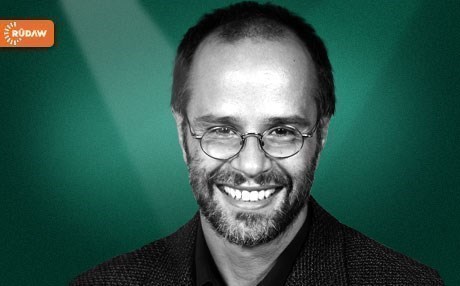
David Romano has been a Rudaw columnist since 2010. He holds the Thomas G. Strong Professor of Middle East Politics at Missouri State University and is the author of numerous publications on the Kurds and the Middle East.
The views expressed in this article are those of the author and do not necessarily reflect the position of Rudaw.
Like many jokes, this one played on national stereotypes. The Americans are viewed as always ready to throw a lot of money and resources at any challenge or problem they face. The Israelis are viewed as intelligent and innovative (if one wants to apply a positive stereotype), or duplicitous and tricky (if one wants to be less generous). The Turks are viewed as determined (the generous view) or obstinate, in denial and brutal (the less generous view).
Your humble columnist knows that stereotypes unfairly generalize, of course. He has met plenty of thrifty Americans, extremely frank and honest Israelis, and thoughtful, sensitive Turks. A recent statement by Turkish Foreign Minister Mevlüt Çavuşoğlu, however, seemed to play right into the Turkish stereotypes. Mr. Çavuşoğlu told French newspaper Le Monde that Turkey has no choice but to fight the Islamic State (ISIS/Daesh) and the Kurdistan Workers’ Party (PKK) simultaneously, arguing that "You cannot give priority when you are under attack. For us, each of these terror organizations is as dangerous as the other. Daesh attacks in the daytime, the PKK in the night. We have no other option than fighting both of them simultaneously."
As any reasonable thinker could point out, of course, devoting equal efforts towards all threats is a nonsensical strategy. One always prioritizes, and Turkey’s priority has always been and remains the PKK. Ankara, until recently, even appeared to flirt with ISIS jihadis. When journalists from the Cumhuriyet newspaper unearthed evidence of Ankara’s support for the jihadis in Syria in 2013 and 2014, the government issued a gag order and they were arrested and imprisoned. Only now, after grisly ISIS bombings in Suruc, Ankara and Istanbul’s main airport (the worst terrorist bombings in Turkey’s history), has Ankara begun to view ISIS as a threat. Judging by the amount of police and military assets devoted to the ISIS threat, however, the PKK still gets 99% of Ankara’s attention.
The leadership in Ankara chose to resume an all-out war against the PKK almost a year ago to the day. The choice appears tragic as many cities in Turkey’s southeast now lie completely devastated. Laws passed to facilitate the renewed war push Turkey further towards the precipice of totalitarian rule. Tourism and trade in much of the country have dried up. It seems unclear how Turkey can emerge from this morass any time soon.
The renewed war amounts to Ankara’s choice. Other options existed. Unlike ISIS, which demands that everyone unreservedly submit to its self-declared “Caliph” and its sick interpretation of Islam, the PKK’s demands were akin to those of similar groups that other governments have successfully negotiated with – such as the Irish Republican Army (IRA), the Palestine Liberation Organization (PLO), the Revolutionary Armed Forces of Columbia (FARC) and the Zapatistas in Mexico.
Such a negotiation process in never easy, of course, and violations from both sides frequently occur. Before Ankara resumed its war, the PKK still kept some armed militants within Turkey (in violation of a deal they struck with Ankara in 2013), killed two Turkish policemen it accused of collaborating with the Suruc ISIS bombers, and kept talking of creating “self-defense” groups in the Kurdish regions of Turkey. Ankara, for its part, refused to grant a legal amnesty to allow PKK fighters to withdraw, increased the pace at which it built dams and police stations all over the Kurdish areas, kept arresting hundreds of peaceful activists, and so forth.
For peace to succeed, however, both sides need to retain a patient, calibrated and moderate approach towards the other. Ankara should have responded to “self-defense groups” and low level attacks with arrest campaigns and low level military operations, and the PKK should have limited itself to exclusively non-violent tactics. Instead, July 2015 marks the time that Ankara chose to respond to the PKK’s killing of two policemen in Suruc with an unrestrained, brutal military campaign in all of southeast Turkey and across the border in Iraq. They say they will not stop until the deer admits it is a zebra, and they demand that the rest of the world also recognize it is a zebra.
David Romano has been a Rudaw columnist since 2010. He holds the Thomas G. Strong Professor of Middle East Politics at Missouri State University and is the author of numerous publications on the Kurds and the Middle East.
The views expressed in this article are those of the author and do not necessarily reflect the position of Rudaw.
Comments
Rudaw moderates all comments submitted on our website. We welcome comments which are relevant to the article and encourage further discussion about the issues that matter to you. We also welcome constructive criticism about Rudaw.
To be approved for publication, however, your comments must meet our community guidelines.
We will not tolerate the following: profanity, threats, personal attacks, vulgarity, abuse (such as sexism, racism, homophobia or xenophobia), or commercial or personal promotion.
Comments that do not meet our guidelines will be rejected. Comments are not edited – they are either approved or rejected.
Post a comment