


The predictions for the election in Britain crumbled into dust. Conservative and Scottish National Party MPs broke out the champagne at the scale of their gains and Labour MPs mumbled bitterly into their beer, while the Liberal Democrats pretty much disappeared from view. I predicted a continued coalition between the Conservative and LibDems rather than an outright Conservative victory. Nearly right. And Labour now enters a long dark night of the soul as it assesses what went wrong, and who should lead its reduced and depressed ranks. The result will be known in September. The Liberal Democrats face oblivion for a generation or two with only enough MPs for a small minibus.
The business of government began with new Prime Minister David Cameron selecting his new ministers, unencumbered by the Liberal Democrats. Next the Commons moves to electing the Speaker, Chairs of its scrutiny committees, including Foreign Affairs, and then committee members with more places for the third largest party, the Scottish National Party, whose phalanx of MPs are determined to make a splash. A Queen's Speech at the end of May outlines the government's programme and a budget then shows how it will be financed.
The Prime Minister has put together a team of ministers from all wings of the party. Stern critics such as Rory Stewart have been given new posts, although his experienced voice on foreign affairs and defence will be missed. Likewise, former Middle East minister Alistair Burt is back in government as number two at the health department. His wisdom on Kurdistan and the Middle East will be missed. The Foreign Secretary and his Middle East minister, Tobias Ellwood remain in their posts.
The PM highlighted the appointment of Kurdophile Robert Halfon as Deputy Chair of the party and a member of the Cabinet. Halfon pioneered campaigns that reach beyond traditional Conservative voters to embrace working families. The PM promises to appeal to these voters and help overcome the perception that he only cares about richer people. It is an audacious raid on Labour territory and could ghettoise Labour as the party of the poorest, whose voting power is slim.
But the devil is in the detail. The Conservatives promised to make further large cuts in welfare spending, introduce tax cuts and invest more in the health service. Some suspected they reckoned their Liberal Democrat partners would bargain them down. They have no need to do this but do need to make the figures add up. In the election, when asked for detail about welfare spending cuts, they asked people to trust their track record. But previous welfare cuts grabbed the low hanging fruit. Further cuts may affect many more people in work but on low wages topped up by the state. Without detail, it is impossible to know if this will cross the line of public tolerance.
The government is seeking to renegotiate the terms of British membership of the European Union (EU) before an in/out referendum, maybe next year. The Conservatives may now have greater bargaining power with their European partners having won an election. A deal that satisfies most of Conservative MPs and voters could finally neutralise this divisive issue.
Their next major problem is Scotland. Some think that the SNP will seek to prove that Westminster is incapable of accommodating their demands and go for a second referendum. Others think that a new settlement will allow them to maximise their power and remain doughty defenders of Scotland within the UK.
Labour is in deep trouble, either way. It relied on Scotland for many years to provide a major proportion of its voting power. It now has just one seat out of 59. The SNP will either retain their vast majority of Scottish seats within the UK or the seats become irrelevant. Labour would then have to win majorities in a more conservative England. In addition, it may lose about 30 seats due to boundary changes to align populations and representation. Furthermore, UKIP came second in many Labour seats and could take them in a good year, although the party now seems to be imploding. Labour could face years in opposition. If the Conservatives play their cards well, maintain their unity, and show magnanimity they could build hegemony for many years. But forgive me if I stay out of the predictions business for a while.
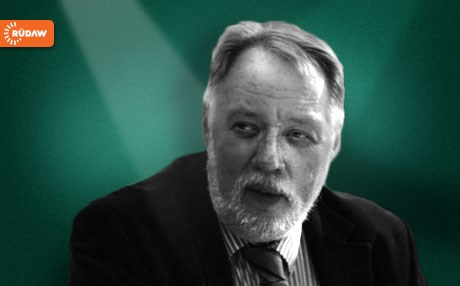
* Gary Kent was the director of All Party Parliamentary Group (APPG in the last British parliament. He writes this column for Rudaw in a personal capacity.
The views expressed in this article are those of the author and do not necessarily reflect the position of Rudaw.
Comments
Rudaw moderates all comments submitted on our website. We welcome comments which are relevant to the article and encourage further discussion about the issues that matter to you. We also welcome constructive criticism about Rudaw.
To be approved for publication, however, your comments must meet our community guidelines.
We will not tolerate the following: profanity, threats, personal attacks, vulgarity, abuse (such as sexism, racism, homophobia or xenophobia), or commercial or personal promotion.
Comments that do not meet our guidelines will be rejected. Comments are not edited – they are either approved or rejected.
Post a comment