



Error occured during this request! Please try again later.
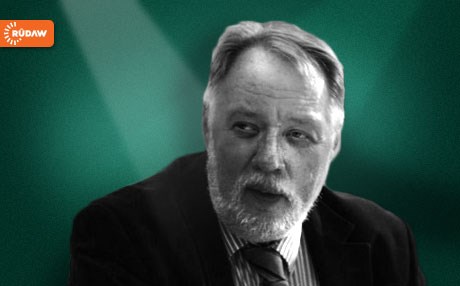
Jeremy Corbyn is the Labour Leader and heads Her Majesty's Loyal Opposition with the support of 60% of a vastly expanded party membership. Until recently, this would have ranked in every respect as impossible in British politics.
Corbyn will, however, be judged, as should any leader after two election defeats, by Labour's share of the opinion polls, winning local elections, opposing the Conservatives and winning changes. His difficult transition from obscurity to leadership began shambolically with shapeless speeches. Oratory is part of the art of leadership but Corbyn pads out speeches and obscures catch lines. However, his first stint at a jam-packed Prime Minister's Questions sought to change its confrontational style with crowd sourced questions that presented him as a calm tribune of the people. It gave Cameron a free and less stressful opportunity to outline his policies, and precise attacks on Cameron are also needed.
MPs also highlighted the Corbynite back catalogue of dodgy declarations. For instance, the new Shadow Chancellor and Corbyn's campaign manager, John McDonnell said in 2003 that 'It's about time we started honouring those people involved in the armed struggle. It was the bombs and bullets and sacrifice made by the likes of Bobby Sands that brought Britain to the negotiating table. The peace we have now is due to the action of the IRA.'
This represented the ugly and primitive anti-imperialism of the hard left minority. Bobby Sands was an IRA member, guilty of arms possession and taking part in a bombing, who starved himself to death in prison, while his comrades murdered British MPs. Nor did the IRA's campaign force negotiations. British leaders met the IRA at the very beginning but the IRA spurned compromise and waged war for over 25 years before their military defeat and accepting a deal that had long been available. McDonnell has this week apologised on a prime time TV show both for a poor joke about assassinating Mrs Thatcher and also, from the bottom of his heart but only after a fashion, for the offence his IRA statement caused, although he claims he was seeking to convince IRA hawks to keep the peace.
But past leftism is trumped by the policies Corbyn stood on and how party policy develops, and Corbyn promises no edicts from above. Corbyn has also appointed MPs who strongly disagree with him to shadow security and foreign files, and all factions are represented in his wider front bench team. The Leader may be part of a collective but must sometimes make urgent calls and they will reflect his ideology.
The key document is Corbyn's thin manifesto. Under the rubric of 'No more illegal wars,' it promises, for instance, 'A foreign policy that prioritises justice and assistance.' That could, to my mind, include ground intervention in Iraq if Baghdad and Erbil request it, although that probably won't appeal to Corbyn despite his generally good and long track record of support for the Kurds. Western airstrikes against Daesh in Syria may also become urgent soon if a quick collapse in the Assad regime allows Daesh to capture new territory in Syria and perhaps consolidate itself in Iraq. Corbyn says bombing Syria 'won't help refugees [but] create more' although Assad (and perhaps Daesh later) is the main driver of refugee flows.
There are deep philosophical tensions between those who, in extremis, want principled politics whatever the electoral consequences and those who want to defeat the Tories by meeting voters half way. In a proportional electoral system and if these tensions could not be reconciled, Labour would probably split but the British system makes this almost impossible. Labour factions are stuck with each other.
Corbyn is apparently at a loss to understand why he won - the plan was creating a platform for advancing left-wing ideas - and faces a steep learning curve. His refusal to do 'business as usual' gives him a less polished but more authentic look. Some old dross is being dumped and he could consolidate his leadership by focusing on iconic policies in a two steps forward, one step back manner that mobilises those who secured his surprise victory - 40,000 new members in a weekend - and those who didn't. For instance, the housing crisis which means many young people cannot afford to rent or buy property and requires a massive programme of house building.
Corbyn's victory is an electric shock which could wound or kill Labour or rehabilitate the patient, under him or perhaps a new leader. Any new leader could build on the enthusiasm unleashed for Corbyn but with a coherent and popular platform that goes beyond Blair and Corbyn: the thesis and antithesis before a new synthesis in Marxist dialectic terms. The novelty of Corbyn is spectacular and Labour is on a rollercoaster ride. Where to is quite another matter.
* Gary Kent is the director of All Party Parliamentary Group (APPG). He writes this column for Rudaw in a personal capacity. The address for the all-party group is appgkurdistan@gmail.com The views expressed in this article are those of the author and do not necessarily reflect the position of Rudaw.
Comments
Rudaw moderates all comments submitted on our website. We welcome comments which are relevant to the article and encourage further discussion about the issues that matter to you. We also welcome constructive criticism about Rudaw.
To be approved for publication, however, your comments must meet our community guidelines.
We will not tolerate the following: profanity, threats, personal attacks, vulgarity, abuse (such as sexism, racism, homophobia or xenophobia), or commercial or personal promotion.
Comments that do not meet our guidelines will be rejected. Comments are not edited – they are either approved or rejected.
Post a comment