



Error occured during this request! Please try again later.
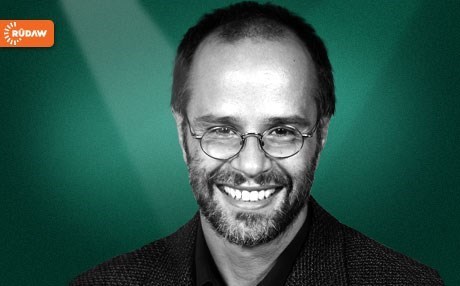
Saudi Arabia’s gruesome murder of dissident journalist Jamal Khashoggi in its Istanbul consulate on October 2 seems to have backfired spectacularly for the kingdom. If he was killed because of his tireless efforts to undermine the Saudi government and its reputation, one could hardly think of a worse outcome for the Saudis. Almost three weeks after his initial “disappearance,” the media storm over the issue still shows no signs of dissipating.
Everyone is still talking about it: Liberal and Left-of-center media outlets continue to bemoan his murder and the Saudi record on human rights, Iranian and Turkish media are having a true field day with the topic, non-Saudi Islamist media likewise will run with the story as long as they can, more conservative Western media pose questions about Saudi Arabia’s political direction in general, and even media outlets specializing in anti-Israeli rhetoric have jumped on the bandwagon with a slew of articles linking Israel to Saudi Arabia (for the latter sort of media, everything is always about Israel, of course).
All of which makes one wonder: Why so much attention for this? Many in the West and the Middle East appear intent on lionizing Khashoggi as if he were some saintly voice fighting for democracy. Especially if one includes what the man wrote in Arabic rather than just his English columns for the Washington Post, however, a very different picture emerges: A picture of someone who supported Islamist groups across the region (particularly Palestinian Hamas and their suicide bombing campaigns), a man who used to work for the top levels of the Saudi regime effectively censoring free speech in the Kingdom, a personal friend of vaunted democrats such as Recep Tayyip Erdogan and Osama bin Laden, a veteran of the Mujahadeen in Afghanistan, someone who advocated for Sharia' law wherever possible, and a cheerleader of the Turkish invasion of Afrin.
While these activities could make Mr. Khashoggi popular in some quarters, they hardly qualify him for any sort of lionization in the broader media world. While no one is saying a journalist such as him, no matter what their opinions, deserved such a terrible fate, surely there are other state victims more worthy of the attention? What of the political prisoners executed by Iran on an almost daily basis, most of whom are Kurdish? What of the hundreds of journalists imprisoned in Turkey, or the scores of Kurdish journalists that were “disappeared” during Ankara’s dirty wars going back to the 1980s? What of journalists who disappeared under mysterious circumstances and were later found dead in Iraq? What of Iran’s assassination of prominent Kurdish leaders in Berlin, Vienna, Cyprus and elsewhere? What of the 150 civilians burned alive by the Turkish army in Cizre in 2005? Or the Kurdish smugglers trying to make a living in Iran or Turkey and regularly targeted and killed by Tehran and Ankara?
One might respond that “Clearly, Mr. Khashoggi was not Kurdish.” This probably does not have to do with ethnicity, however. States including Russia, North Korea, Iran, China, France, Israel and the United States have assassinated plenty of people abroad with little fallout. In all likelihood, the improbable and gruesome details surrounding Mr. Khashoggi’s murder simply fascinate us. It also helps that the man worked for a prominent American newspaper when he was killed, or that Saudi Arabia is an American ally. The savvy Turkish media strategy of releasing a few details at a time incriminating their Saudi rivals likewise plays a role keeping the story alive. The whole thing has become something like a political thriller novel.
All of which goes to show that people focus on the personal, the anecdotal cases that spark their imagination. They remain much more numb to statistics, no matter what the scale and how horrible. So while hundreds of thousands killed by the Assad regime in Syria or the millions butchered in the Congo no longer register very much, Mr. Kashoggi’s slaying does.
In a similar vein, the image of the Syrian Kurdish boy Alan Kurdi washed up drowned on a beach in Turkey generated much more attention and sympathy than the gruesome statistics of migrant drownings every year in the Mediterranean (although most media sites simply referred to him as a “Syrian boy”). The photo of a Kurdish man with a baby in his arms, both gassed to death in Halabja in 1988, likewise struck much more of a nerve than the almost two hundred thousand killed by Saddam in the Anfal campaigns.
If there is a lesson in this for Kurds needing more international attention for their plight under various repressive regimes, it is to carry cameras with them at all times and to render their stories as personal as possible. It is for this reason that Turkey (the same state making a big deal about Mr. Kashoggi) does not like to permit journalists to roam the southeast of the country freely, and why Iran likewise bars the media from places like Mahabad, Sanandaj and Mariwan.
David Romano has been a Rudaw columnist since 2010. He holds the Thomas G. Strong Professor of Middle East Politics at Missouri State University and is the author of numerous publications on the Kurds and the Middle East.
The views expressed in this article are those of the author and do not necessarily reflect the position of Rudaw.
Everyone is still talking about it: Liberal and Left-of-center media outlets continue to bemoan his murder and the Saudi record on human rights, Iranian and Turkish media are having a true field day with the topic, non-Saudi Islamist media likewise will run with the story as long as they can, more conservative Western media pose questions about Saudi Arabia’s political direction in general, and even media outlets specializing in anti-Israeli rhetoric have jumped on the bandwagon with a slew of articles linking Israel to Saudi Arabia (for the latter sort of media, everything is always about Israel, of course).
All of which makes one wonder: Why so much attention for this? Many in the West and the Middle East appear intent on lionizing Khashoggi as if he were some saintly voice fighting for democracy. Especially if one includes what the man wrote in Arabic rather than just his English columns for the Washington Post, however, a very different picture emerges: A picture of someone who supported Islamist groups across the region (particularly Palestinian Hamas and their suicide bombing campaigns), a man who used to work for the top levels of the Saudi regime effectively censoring free speech in the Kingdom, a personal friend of vaunted democrats such as Recep Tayyip Erdogan and Osama bin Laden, a veteran of the Mujahadeen in Afghanistan, someone who advocated for Sharia' law wherever possible, and a cheerleader of the Turkish invasion of Afrin.
While these activities could make Mr. Khashoggi popular in some quarters, they hardly qualify him for any sort of lionization in the broader media world. While no one is saying a journalist such as him, no matter what their opinions, deserved such a terrible fate, surely there are other state victims more worthy of the attention? What of the political prisoners executed by Iran on an almost daily basis, most of whom are Kurdish? What of the hundreds of journalists imprisoned in Turkey, or the scores of Kurdish journalists that were “disappeared” during Ankara’s dirty wars going back to the 1980s? What of journalists who disappeared under mysterious circumstances and were later found dead in Iraq? What of Iran’s assassination of prominent Kurdish leaders in Berlin, Vienna, Cyprus and elsewhere? What of the 150 civilians burned alive by the Turkish army in Cizre in 2005? Or the Kurdish smugglers trying to make a living in Iran or Turkey and regularly targeted and killed by Tehran and Ankara?
One might respond that “Clearly, Mr. Khashoggi was not Kurdish.” This probably does not have to do with ethnicity, however. States including Russia, North Korea, Iran, China, France, Israel and the United States have assassinated plenty of people abroad with little fallout. In all likelihood, the improbable and gruesome details surrounding Mr. Khashoggi’s murder simply fascinate us. It also helps that the man worked for a prominent American newspaper when he was killed, or that Saudi Arabia is an American ally. The savvy Turkish media strategy of releasing a few details at a time incriminating their Saudi rivals likewise plays a role keeping the story alive. The whole thing has become something like a political thriller novel.
All of which goes to show that people focus on the personal, the anecdotal cases that spark their imagination. They remain much more numb to statistics, no matter what the scale and how horrible. So while hundreds of thousands killed by the Assad regime in Syria or the millions butchered in the Congo no longer register very much, Mr. Kashoggi’s slaying does.
In a similar vein, the image of the Syrian Kurdish boy Alan Kurdi washed up drowned on a beach in Turkey generated much more attention and sympathy than the gruesome statistics of migrant drownings every year in the Mediterranean (although most media sites simply referred to him as a “Syrian boy”). The photo of a Kurdish man with a baby in his arms, both gassed to death in Halabja in 1988, likewise struck much more of a nerve than the almost two hundred thousand killed by Saddam in the Anfal campaigns.
If there is a lesson in this for Kurds needing more international attention for their plight under various repressive regimes, it is to carry cameras with them at all times and to render their stories as personal as possible. It is for this reason that Turkey (the same state making a big deal about Mr. Kashoggi) does not like to permit journalists to roam the southeast of the country freely, and why Iran likewise bars the media from places like Mahabad, Sanandaj and Mariwan.
David Romano has been a Rudaw columnist since 2010. He holds the Thomas G. Strong Professor of Middle East Politics at Missouri State University and is the author of numerous publications on the Kurds and the Middle East.
The views expressed in this article are those of the author and do not necessarily reflect the position of Rudaw.
Comments
Rudaw moderates all comments submitted on our website. We welcome comments which are relevant to the article and encourage further discussion about the issues that matter to you. We also welcome constructive criticism about Rudaw.
To be approved for publication, however, your comments must meet our community guidelines.
We will not tolerate the following: profanity, threats, personal attacks, vulgarity, abuse (such as sexism, racism, homophobia or xenophobia), or commercial or personal promotion.
Comments that do not meet our guidelines will be rejected. Comments are not edited – they are either approved or rejected.
Post a comment