


The fourth annual Kurdistan Oil and Gas conference came to London last week for a whirlwind of high-profile speeches by senior politicians and industry leaders at the end of Kurdistan's most momentous year since 1991.
A British newcomer to Erbil said he wasn't initially sure whether he would be hurriedly evacuated by military helicopter or eventually catch a direct flight back to London - a change that is seen as possible next year. That would be a very powerful sign of the improved position of Kurdistan after this annus horribilis.
That is very much helped by the December deal between Baghdad and Erbil and which was much discussed at the conference in Westminster. The restoration of Baghdad's budget payments to Erbil and funding for the first time of the Peshmerga can increase economic confidence and security, and get Kurdistan's multi-billion capital investment programme back on the road again. Canny investors should realise that it is better to show willing in a trough of economic activity rather than wait for it to peak. The deferred agenda of encouraging British companies to bid for projects and services where they have a cutting edge is about to get up and running again.
Having been sceptical about the plans of the new Iraqi Prime Minister Haider al Abadi, with whom I once worked, I concede that he has so far proved to be a new broom. The deal was made much more urgent by the existential threat of Daish and by falling oil prices. One joke last week was: what do Putin, the rouble and the oil price have in common? The answer is that they will all be 63 next year. $63 a barrel may be optimistic and no one can be sure where the price will go in the coming months. But maximising production is essential in any case.
The Baghdad-Erbil entente is, however, a temporary deal which has to be translated into a permanent and comprehensive one in 6-12 months time. As the Daish threat recedes and as anti-Kurdish forces in Baghdad have more say there may be greater contestation.
The conference allowed KRG Natural Resources Minister, Dr Ashti Hawrami to lay down Kurdish red lines for a durable settlement of the long-running dispute with Baghdad, including the KRG's right to export and market oil not included in the current arrangements.
Dr Hawrami insists that the KRG has the right to independently export, has already done so, and that the proceeds of further surplus production will be subject to the 17/83% revenue split after expenses for the oil companies under the KRG's separate production deals, and for budget arrears. Baghdad should never again have the ability to cut the Kurdish financial lifeline.
A very powerful symbol of how the Kurdistan Region is seen with increasing sympathy in the UK was a brief speech made by the Conservative MP Sir Nicholas Soames at a conference dinner. As well as being President of the influential Conservative Middle East Council, Soames is the grandson of Winston Churchill. How things are changing nearly a century after the formation of Iraq.
The issue of independence was raised in the conference. British Energy Minister Matthew Hancock stressed the importance of a united Iraq and a serving American diplomat told me that the One Iraq policy remained US policy. I would have been shocked if they had said anything else. That is the line to take, the talking point for such occasions.
But last week also saw a major change in American foreign policy - the beginning of the end of the 56 year old embargo of Cuba. If you had asked any American diplomat before the announcement they would have defended the embargo although everyone knew it wasn't working and would have to go one day. Now it has. One day, the same could happen to the One Iraq policy.
The conference was also the last major public event for the KRG's High Representative to London, Bayan Sami Abdul Rahman before she heads off to head the KRG Representation in Washington DC. I have worked with her for nearly ten years and pay tribute to her considerable diplomatic skills as a respected and eloquent advocate of Kurdistan. She has done so much to break down barriers to bigger and better British understanding of and links with Kurdistan. That is much needed in America where it can do much to make sure that 2015 is the year of recovery for Kurdistan, which has survived this year and is now seen as an essential and effective ally in the fight against extremism and for pluralism.
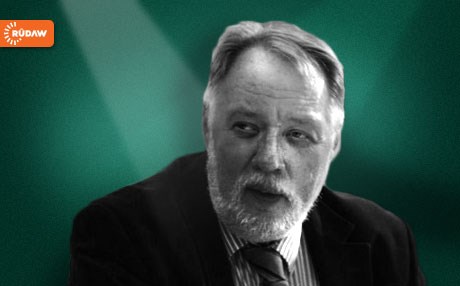
* Gary Kent is the director of All Party Parliamentary Group (APPG). He writes this column for Rudaw in a personal capacity.
The address for the all-party group is appgkurdistan@gmail.com
The views expressed in this article are those of the author and do not necessarily reflect the position of Rudaw.
Comments
Rudaw moderates all comments submitted on our website. We welcome comments which are relevant to the article and encourage further discussion about the issues that matter to you. We also welcome constructive criticism about Rudaw.
To be approved for publication, however, your comments must meet our community guidelines.
We will not tolerate the following: profanity, threats, personal attacks, vulgarity, abuse (such as sexism, racism, homophobia or xenophobia), or commercial or personal promotion.
Comments that do not meet our guidelines will be rejected. Comments are not edited – they are either approved or rejected.
Post a comment