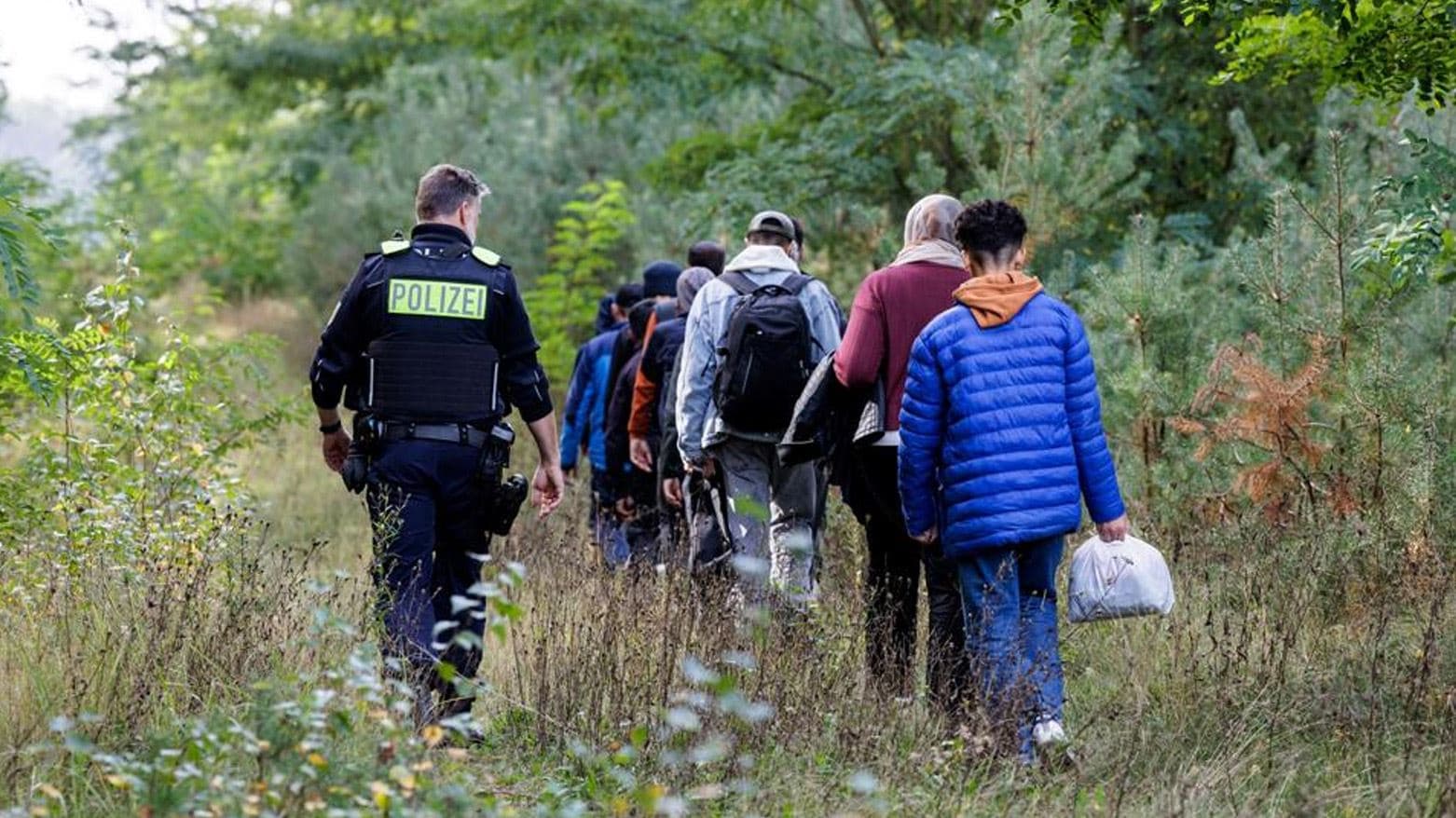

ERBIL, Kurdistan Region - Nearly 40 undocumented Iraqis have been deported from the German state of Saxony since the start of the year, according to official data provided to Rudaw.
An additional 62 individuals from Turkey and one person from Iran were also deported from the same eastern state during the same period.
“As of October 31, 2025, the Free State of Saxony carried out 39 deportations to Iraq, 62 to Turkey, and one to Iran,” Martin Strunden, spokesperson for Saxony’s interior ministry, told Rudaw on Wednesday.
Strunden added that Saxony operates 58 detention facilities designated for individuals awaiting deportation.
When asked how much it costs the German federal government to deport a rejected asylum seeker, Strunden said the expenses vary widely by case and circumstances.
“The costs depend on, among other things, whether and for how long detention pending deportation was necessary, the destination country, whether the return is conducted individually or via a collective charter flight, and whether accompanying officers or medical support are required,” he explained.
Germany has recently intensified deportations, prompting criticism from opposition parties and rights groups who warn of potential violations and insufficient safeguards.
Despite stricter enforcement, Germany remains a major destination for tens of thousands of people from across the Middle East seeking to reach Europe each year, often through dangerous smuggling routes.
The country also operates a voluntary return program that offers financial and logistical support to migrants wishing to return to their home countries or relocate to a third country. Families can receive up to €4,000 if they opt for voluntary return.
“To promote voluntary return, there is the REAG/GARP program (Reintegration and Emigration Programme for Asylum-Seekers in Germany/Government Assisted Repatriation Programme), which immigration authorities provide information on,” Strunden said.
He noted that funding options can include coverage of travel costs and, where applicable, travel and start-up assistance.
“For certain nationalities, additional reintegration support is also available through REAG/GARP or other reintegration programs,” he added.
Kehy Mahmoud contributed to this article from Erbil, Kurdistan Region.