


World

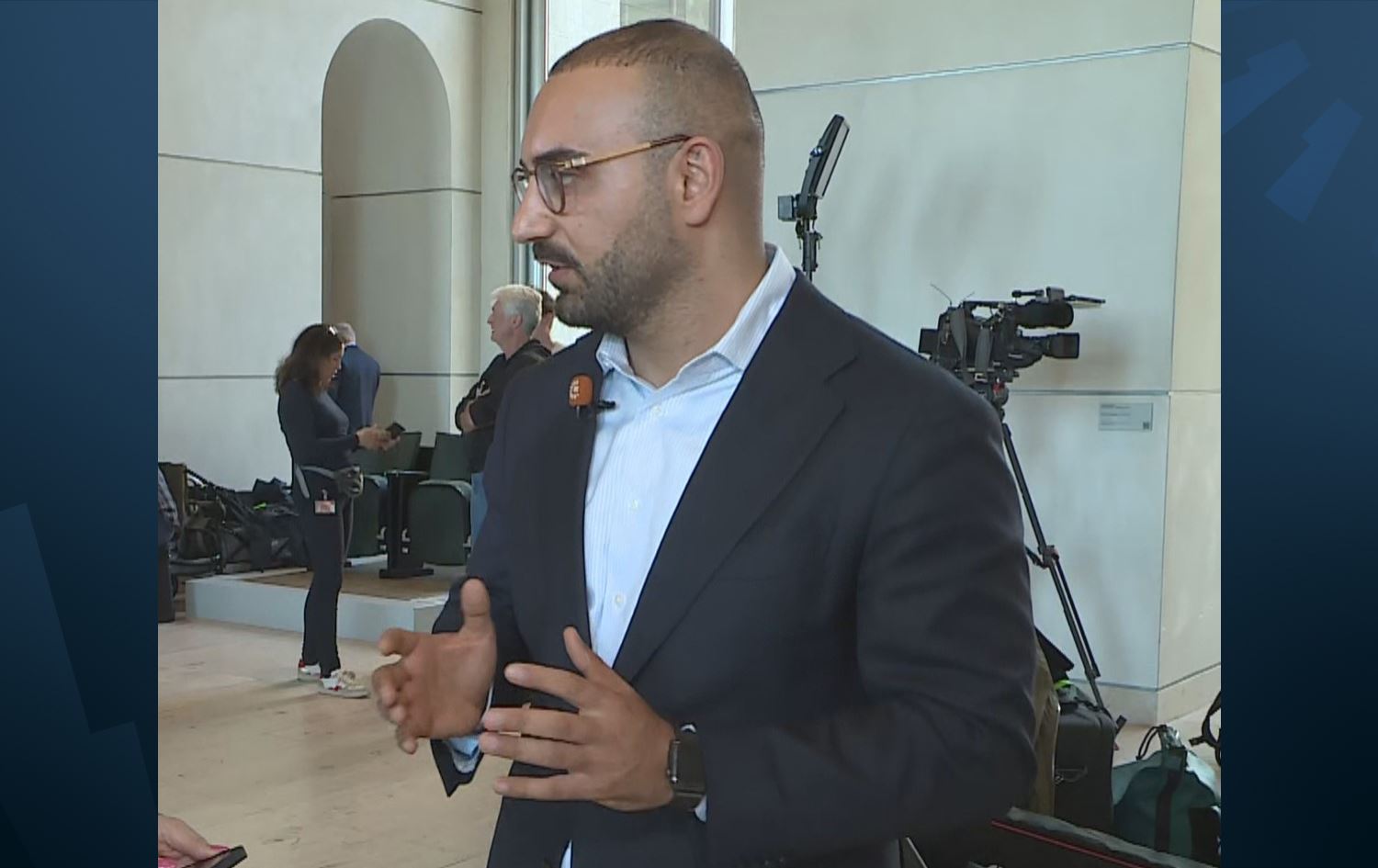
Kassem Taher Saleh, German Green Party lawmaker, speaking to Rudaw on May 6, 2025. Photo: screengrab/Rudaw
ERBIL, Kurdistan Region - German Green Party lawmaker Kassem Taher Saleh underscored the political influence of Kurdish representatives in parliament and highlighted Germany’s need for refugees to counter its aging population, while criticizing far-right calls for stricter immigration controls. Another parliamentarian from the same party said the country needs skilled workers.
“We [Kurds] have 85 seats in the German Federal Parliament. This is a very significant support for Kurdistan as well. It is the first time we have formed a special Kurdish group in the German Parliament,” Saleh Rudaw on Tuesday.
The Green Party secured fourth place in the last parliamentary elections, right behind the Social Democratic Party (SPD). It is considered center-left. They are committed to ecological, economic, and social sustainability. Their long-term goal is a federal European republic.
“We are also working to secure Kurdish votes in the German Parliament. There are many Kurds in Germany, approximately two million Kurds live here. Many of them have citizenship. Therefore, their votes are important to us,” Saleh said.
Saleh underscored the importance of refugees in Germany, emphasizing that the country needs them to help address its aging population crisis.
“Here we will need refugees because German society is aging. This country needs a workforce, but those who commit crimes, don't learn the language, and do not fulfill the requirements should return to their countries,” Saleh added.
Germany is confronting the most significant labor force decline among G7 nations as immigration slows and baby boomers retire, placing pressure on GDP growth, pensions, and healthcare systems. The International Monetary Fund projects the country's annual economic growth to slow to approximately 0.7 percent over the medium term due to these demographic shifts.
The Alternative for Germany (AfD) is a far-right party that opposes integration and migration. It also publicly condones mass deportations.
“We do not say it is all wrong, because Europe's borders are largely open. This openness has benefits for Europe in several aspects. If the Christian Democrats come and completely close these borders, that would be wrong. The Luxembourg minister said it's wrong,” Saleh said, citing opposition from other European leaders to restrictive border policies.
“The French minister said it is wrong. Poland said the same. Our friends in Europe say this policy is wrong. They say the doors should be opened for refugees to come here, learn the language, obey the laws, and work officially. Otherwise, they will be sent back,” he added.
Germany deported more than 200 refugees to the Kurdistan Region in the first three months of 2025, the head of a Kurdistan Region refugee association said in March.
Germany hosts one of the largest refugee populations worldwide. In late January, the German parliament passed a motion that tightened migration rules. It contains five points: preventing illegal immigration, deporting illegal immigrants, deporting foreign criminals, imprisoning immigrants who must leave Germany, and ending family reunification.
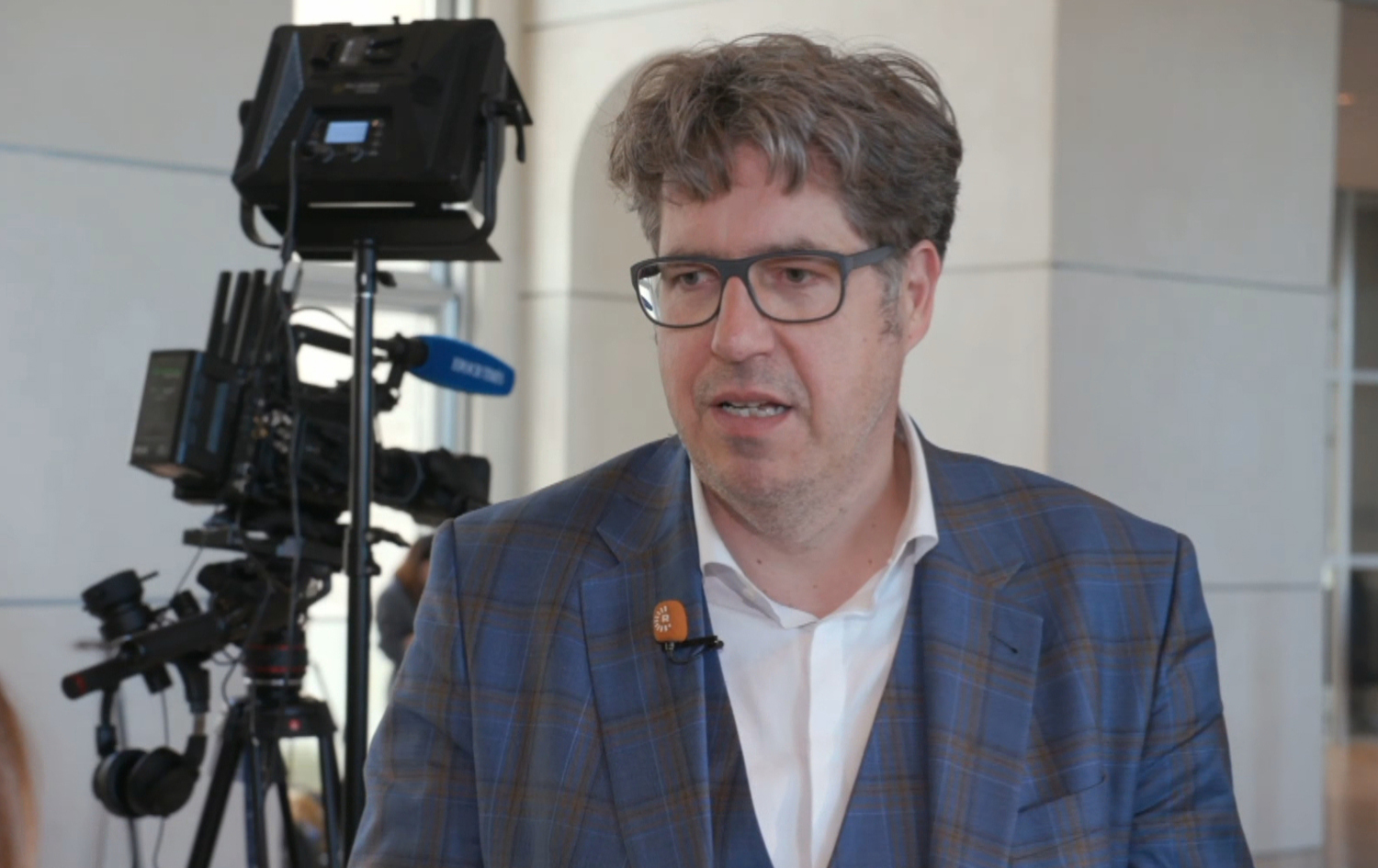
Michael Kellner is a member of the Green Party and a lawmaker. He said that Germany needs skilled workers.
"Germany needs skilled worker immigration. We have a major demographic change, and I feel this discussion in Germany is somewhat secondary, because we are a country that also needs skilled worker immigration,” he told Rudaw on Tuesday.
“Those who want to work here should be given the opportunity and be able to integrate here; also through work, this is important. We are looking for fake solutions. This does not mean that people who do not want to integrate here, but have committed crimes, can all stay. Certainly not. But we must also clarify that we have many people who live here, work here, are welcomed here, we need them, and we have always been an open and diverse country,” he added.


Comments
Rudaw moderates all comments submitted on our website. We welcome comments which are relevant to the article and encourage further discussion about the issues that matter to you. We also welcome constructive criticism about Rudaw.
To be approved for publication, however, your comments must meet our community guidelines.
We will not tolerate the following: profanity, threats, personal attacks, vulgarity, abuse (such as sexism, racism, homophobia or xenophobia), or commercial or personal promotion.
Comments that do not meet our guidelines will be rejected. Comments are not edited – they are either approved or rejected.
Post a comment