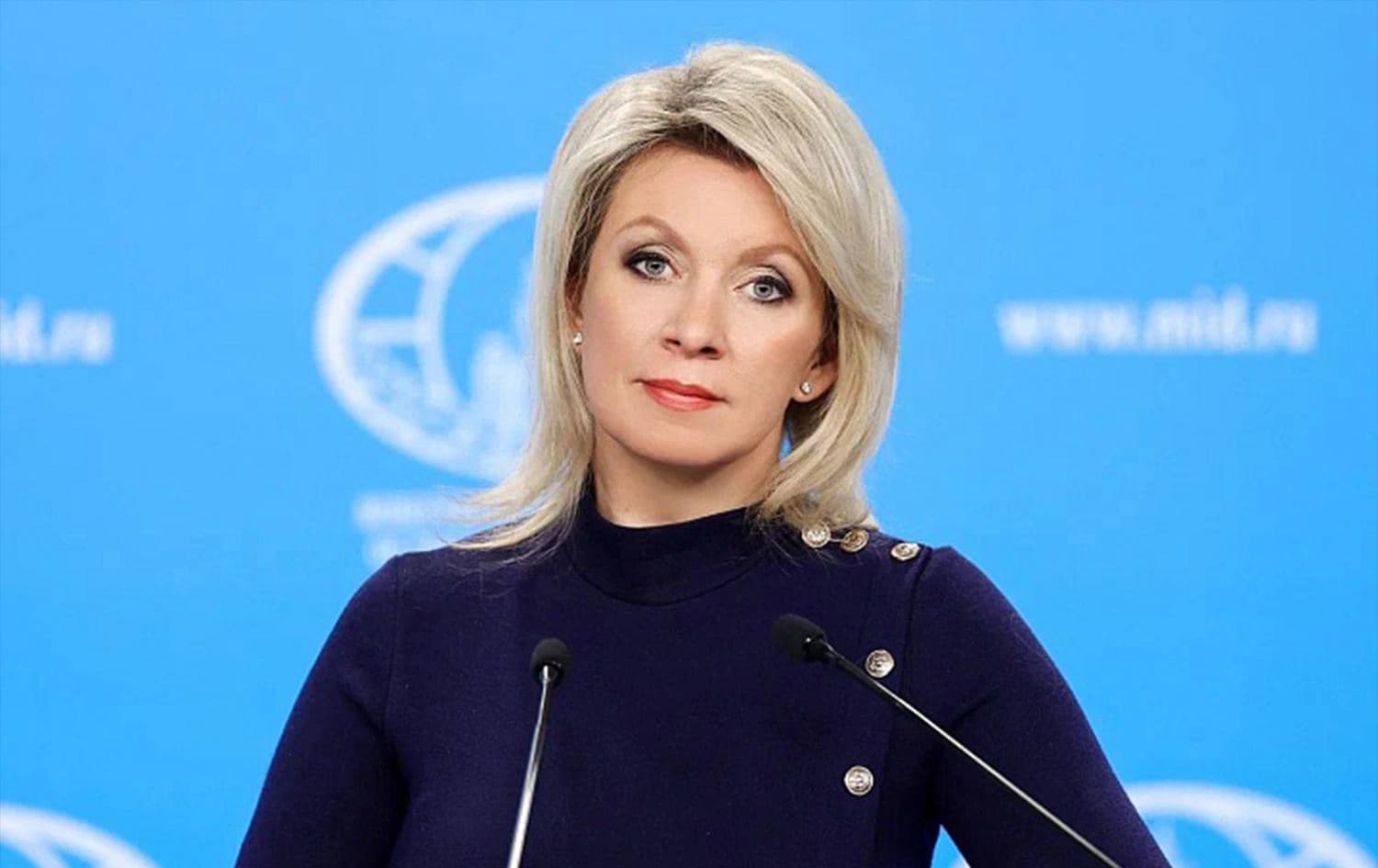

ERBIL, Kurdistan Region - The Russian foreign ministry spokesperson Maria Zakharova stated on Wednesday that Moscow welcomes the recent "arrangements" between the Kurdish-led Syrian Democratic Forces (SDF) and Damascus, urging an end to foreign interference.
“We welcome the achieved arrangements to return northeast Syria to the Syrian state. Taking into account legitimate interest and rights of all ethnic and religious groups living in this region, we believe the fate of the country should be shaped by Syrians within a broad and national dialogue without any interference from abroad,” Zakharova told Rudaw’s Niyaz Mustafa during a press briefing.
Syria’s interim President Ahmed al-Sharaa and SDF chief Mazloum Abdi signed a landmark agreement last month to integrate all civil and military institutions in the predominantly Kurdish northeast Syria (Rojava) into state institutions. . The agreement also included the transfer of control over border crossings and oil fields to the Syrian government.
More recently, the SDF and the Damascus leadership on Tuesday struck an agreement to exchange all prisoners and allow SDF-affiliated internal security forces (Asayish) to maintain their presence in the predominantly Kurdish neighborhoods of Ashrafiyeh and Sheikh Maqsood, in northern Aleppo. They swapped nearly 250 prisoners on Thursday.
Zakharova on Wednesday described the SDF-Damascus agreement as “an important step towards rebuilding unity of Syria and strengthening its security and stability. We understand that ensuring practical implementation of these arrangements will be linked with various problems, various nature.”
Russia, which was a longstanding supporter of toppled Syrian dictator Bashar al-Assad, and the destination he fled to with his family following his ouster, has made efforts to restore ties with the new rulers in Damascus.
Of note, liaison between the SDF and the Assad regime previously took place under Russian mediation.
The SDF is the main ally of the US-led global coalition to defeat the Islamic State (ISIS) in Syria. It also acts as the de facto army of northeast Syria (Rojava).