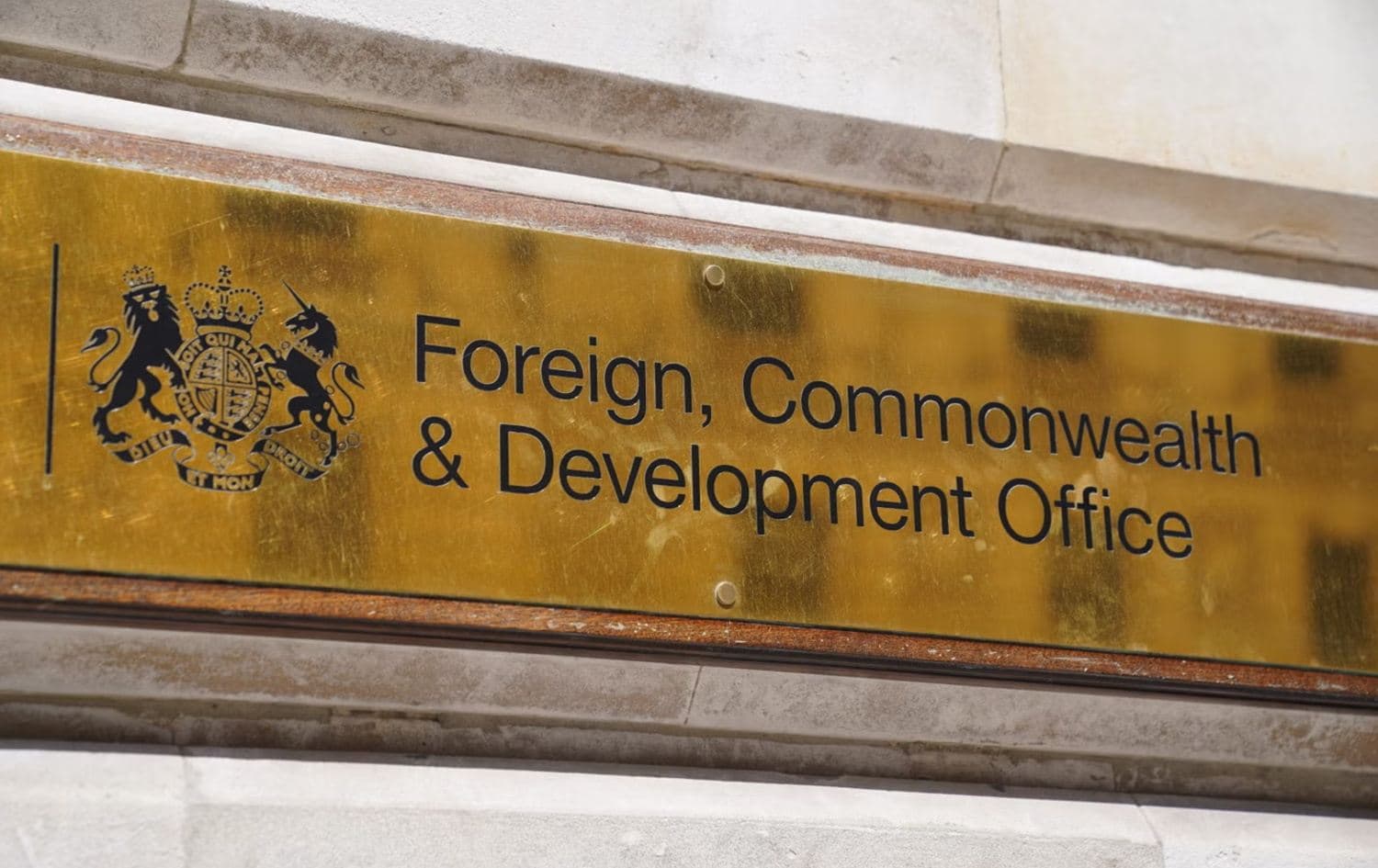

ERBIL, Kurdistan Region - The United Kingdom on Monday added a dozen individuals and groups linked to Iran, accusing them of planning or facilitating “hostile activity” on behalf of the Iranian government, London’s Foreign, Commonwealth and Development Office (FCDO) said in a notice.
The notice details that the designations include nine individuals - seven of them of Iranian descent - some of whom are suspected of being “involved in hostile activity by the Government of Iran” or by an “armed group backed by the Government of Iran,” including “threatening, planning or conducting attacks against persons and assets in the United Kingdom or any other country.”
Furthermore, some individuals are accused of conduct that “facilitates (or is intended to facilitate) or gives support or assistance” to hostile acts, including “providing financial services to individuals and entities involved in activity which is intended to cause the destabilisation of the United Kingdom or any other country.”
Meanwhile, the three sanctioned entities include the Zindashti network, which the FCDO said “is or has been involved in hostile activity by an armed group backed by the Government of Iran, including threatening, planning or conducting attacks against persons and assets in the United Kingdom or any other country.”
The other two entities are identified as Berelian Exchange and GCM Exchange, which the Office said are linked to “conduct which facilitates hostile activity by the Government of Iran, namely providing financial services to individuals and entities involved in activity which is intended to cause the destabilisation of the United Kingdom or any other country.”
The UK government had in February sanctioned ten individuals and one organization it said were involved in the crackdown on pro-reform demonstrations that swept through Iran earlier this year.
The sanctions targeted parts of the Iranian security apparatus, starting with the Law Enforcement Forces (FARAJA), which were designated for their “prominent role in policing protests in Iran,” as well as several individuals, including Interior Minister Eskandar Momeni, whom London accused of being “responsible for serious human rights violations or abuse in Iran” and “police violence against protestors.”
Moreover, the February notice included provincial commanders and judges linked to “lethal violence” on the ground, as well as judicial figures accused of abuses such as “sentencing a labour rights activist to death” and “imposing excessive sentences on women’s rights activists.”
Notably, the designations included businessman Babak Zanjani, who was accused of running a network that “generates funds and enables the criminal activities of the IRGC, including its suppression of protesters.”
British Foreign Secretary Yvette Cooper said at the time that “the Iranian people have shown extreme courage in the face of brutality and repression over recent weeks simply for exercising their right to peaceful protest.”