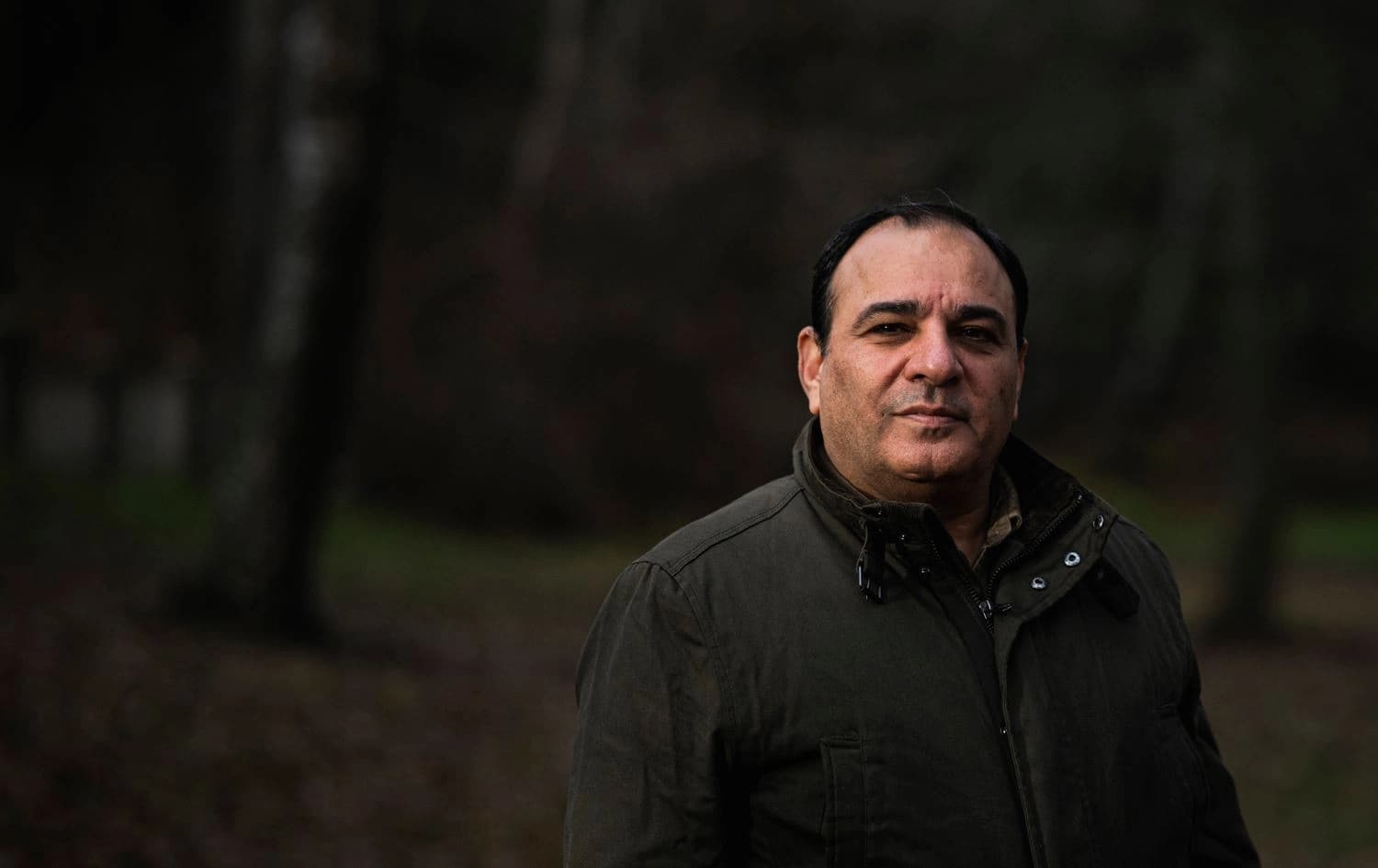

STOCKHOLM, Sweden - A Turkish journalist exiled in Stockholm is increasingly worried he will be used as a bartering chip after Turkey's president singled out his extradition as key to approving Sweden's NATO bid.
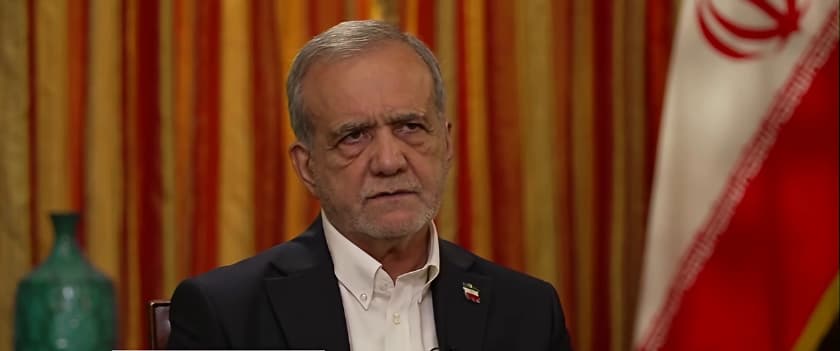
Bulent Kenes, the former editor-in-chief of the Zaman daily, is the only person President Recep Tayyip Erdogan has identified by name among the dozens Ankara wants extradited in exchange for approving Sweden's membership bid.
Kenes told AFP he was having dinner on Tuesday with his wife and son, watching an Erdogan press conference on his mobile phone, when he heard the Turkish leader speak his name.
Erdogan told reporters, when pressed about the "terrorists" he wants extradited from Sweden, that Kenes was on the list.
"And it's only my name. Not a list of other people, just my name", says the 53-year-old former columnist on Ankara's blacklist for his support of a movement founded by Fethullah Gulen, the US-based preacher wanted over a failed 2016 coup in Turkey.
While Kenes was aware of Ankara's extradition request for him, hearing his name spoken like that "came as a surprise to me (and) it had a shocking effect for my wife. She couldn't say anything for minutes".
Ankara has blocked Sweden's membership process, with the extradition of Kurdish refugees and other Turkish dissidents the main sticking point.
Stockholm has repeatedly stressed that its judiciary is independent and has the final say in extraditions.
- 'I trust Sweden, but not sure' -
Ankara has over time increased the number of people it wants extradited: first 33, then 45, then 73, in unofficial lists published by media close to the Turkish government.
Kenes believes Erdogan mentioned his name "because he has known me for decades" due to his long career as a journalist, and because it was the first name he came up with off the top of his head.
"The other explanation is much more pessimistic and serious and that's that he really hates me... and that was the opportunity to express his hate once more".
Kenes has lived since 2017 in Sweden, where he has political asylum.
The country's Supreme Court is expected to rule on his extradition before the end of the year.
Is he worried about the ruling?
"If you had asked me this question six or seven months ago, I would have said that I have no concerns.
"But the Nato membership application is a big game changer, a paradigm change for Sweden ... so I am not 100 percent sure about the result."
He said he still had "trust in the Swedish legal system and the rule of law to protect my rights", and said his extradition would be "a huge, illegal scandal".
Kenes fled Turkey in 2016 several days after a failed coup that Ankara blamed on the Gulen movement.
"I have nothing to do with terrorism, I have nothing to do with violence, I have nothing to do with a coup," he said.
"I do my journalism and just because of that Erdogan and his regime followed me, prosecuted me and chased me."
- From pro- to anti-Erdogan -
As for the Gulen movement, "I respect what the Gulen movement does ... . This is a humanitarian movement in my eyes", he said.
But, he noted, he also "wrote a 90-page report about my criticism towards the movement".
Kenes recalled that he was also initially positive to Erdogan and his AKP party during his first two mandates in the early 2000s.
But in 2011, they went "from democratic to anti-democratic to build a kind of despot, a one-man rule, first in Turkey then in a greater region", at which point he became "highly critical".
"They felt that I betrayed their cause", he said.
Kenes' columns increasingly angered Ankara and the court cases piled up, to the point where he had to resign as editor-in-chief at the end of 2015.
In Sweden, he now works for the Stockholm Center for Freedom, an association founded by other Turkish dissidents in exile whose names also appear on some of the lists in Turkish media, such as Abdullah Bozkurt and Levent Kenez.
Kenes thinks Stockholm was wrong to launch negotiations directly with Turkey, and says it would have been smarter to let NATO's superpowers, such as the US, lead the talks.
"Swedish authorities made a big mistake by sitting at the bargaining table with a despot to protect itself against the aggression of another despot, Vladimir Putin," he said.
by Marc Preel