
ERBIL, Kurdistan Region - US President Donald Trump on Thursday warned that Iran must resolve its nuclear program or face “very traumatic” consequences.
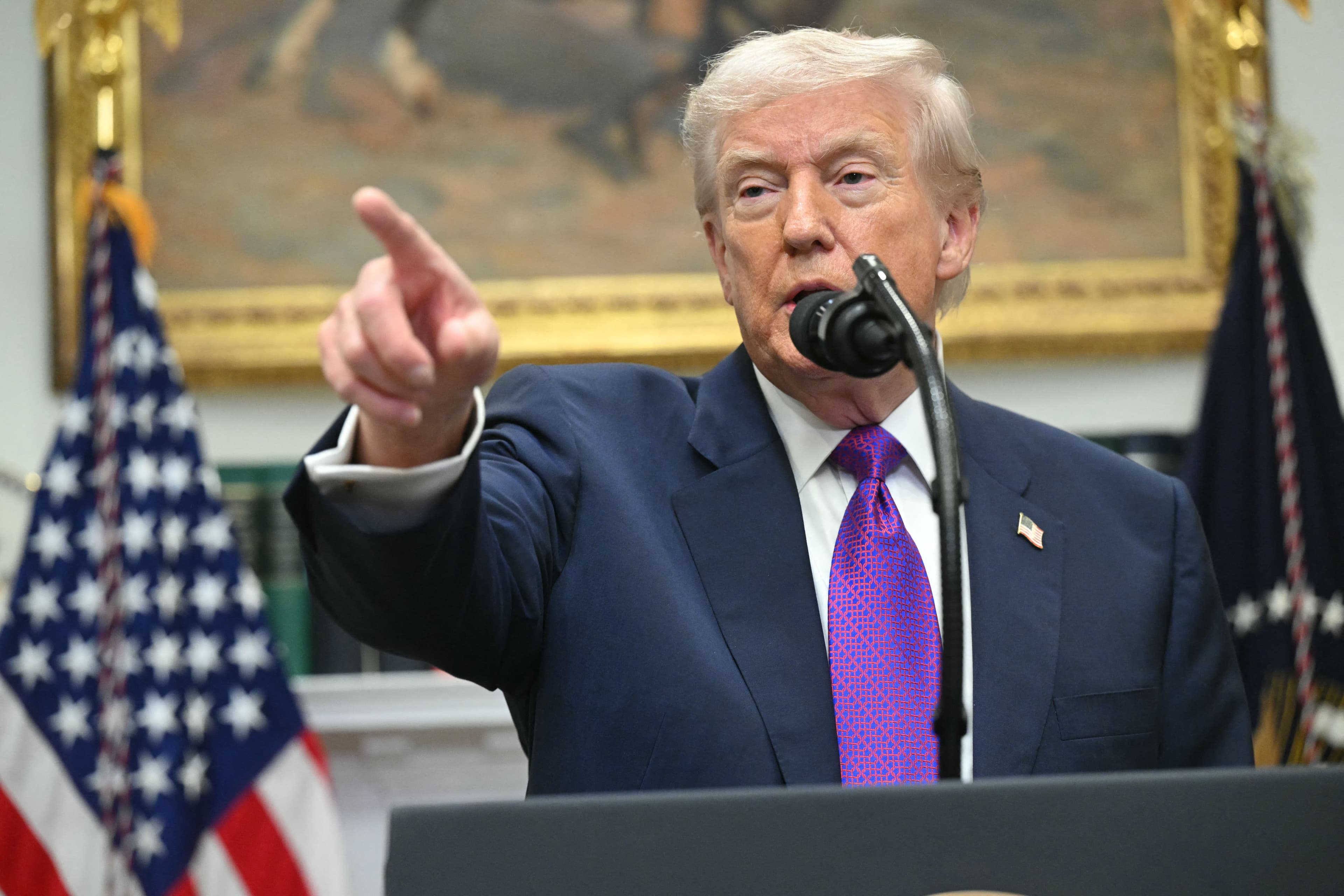
Speaking at a press conference in Washington, Trump said he expects Iran will resolve its nuclear negotiations with the US within the next month, warning, “We have to make a deal; otherwise it’s going to be very traumatic, very traumatic. I don’t want that to happen, but we have to make a deal.”
“This will be very traumatic for Iran, if they don’t make a deal,” he said, referencing “Midnight Hammer,” the June 2025 US military strikes on Iranian nuclear sites.
Trump said US negotiations with Iran will continue after meeting with Israeli Prime Minister Benjamin Netanyahu at the White House on Wednesday.
Israel, the main US ally in the Middle East, has expressed reservations about the negotiations and is demanding that Iran cut support for Hezbollah and Hamas along with its ballistic missile program.
Iran’s nuclear program remains a central point of contention with Washington, which has repeatedly called on Tehran to curb its uranium enrichment, while Iran insists its program is conducted for peaceful purposes. US and Iranian negotiators held the first round of indirect negotiations in Oman last week with no follow up schedule despite both sides indicating they were open to additional talks.
Iran has proposed limiting uranium enrichment in exchange for lifting sanctions that have crippled the country’s economy, but has refused to discuss ballistic missiles or its support for armed groups. The economic crisis and demands for government reforms have sparked widespread protests, with crackdowns killing at least 7,000 people, the US-based Human Rights Activists News Agency (HRANA) reported Thursday.
Trump described his meeting with Netanyahu as “very good” despite Israel’s concerns about the Iran talks.
Trump said that Netanyahu “understands, but it’s ultimately up to me.”
Trump pressed for a “very fair” deal with Iran, but warned “it’s going to be a very difficult time for them” if negotiations fail.
Following the Wednesday meeting with Netanyahu, Trump posted on his Truth Social platform, "There was nothing definitive reached other than I insisted that negotiations with Iran continue to see whether or not a deal can be consummated."
Iran’s consul-general to Erbil, Faramaz Asadi, said Tuesday that Tehran remains open to negotiations with the United States if talks are conducted with “mutual respect.”
Iranian Foreign Minister Abbas Araghchi last week said Tehran plans to continue indirect talks with the United States in Oman, describing the latest round of negotiations in Muscat as constructive and a critical phase in nuclear diplomacy.