NEW YORK - The treaty that has helped prevent the spread of nuclear weapons for more than 50 years is at risk of unraveling because countries are failing to live up to its core bargain, a senior UN disarmament official warned on Wednesday.
“This treaty might not implode overnight,” Christopher King, chief of the Weapons of Mass Destruction Branch at the UN Office for Disarmament Affairs, told reporters at United Nations headquarters, “but if it is not given the tending, if the bargain is not respected, it will over time unravel, and that is a very, very dangerous thing for international peace and security.”
The warning comes as diplomats prepare for talks in a sharply worsening security climate marked by war, deepening distrust among major powers and strains on the arms control system.
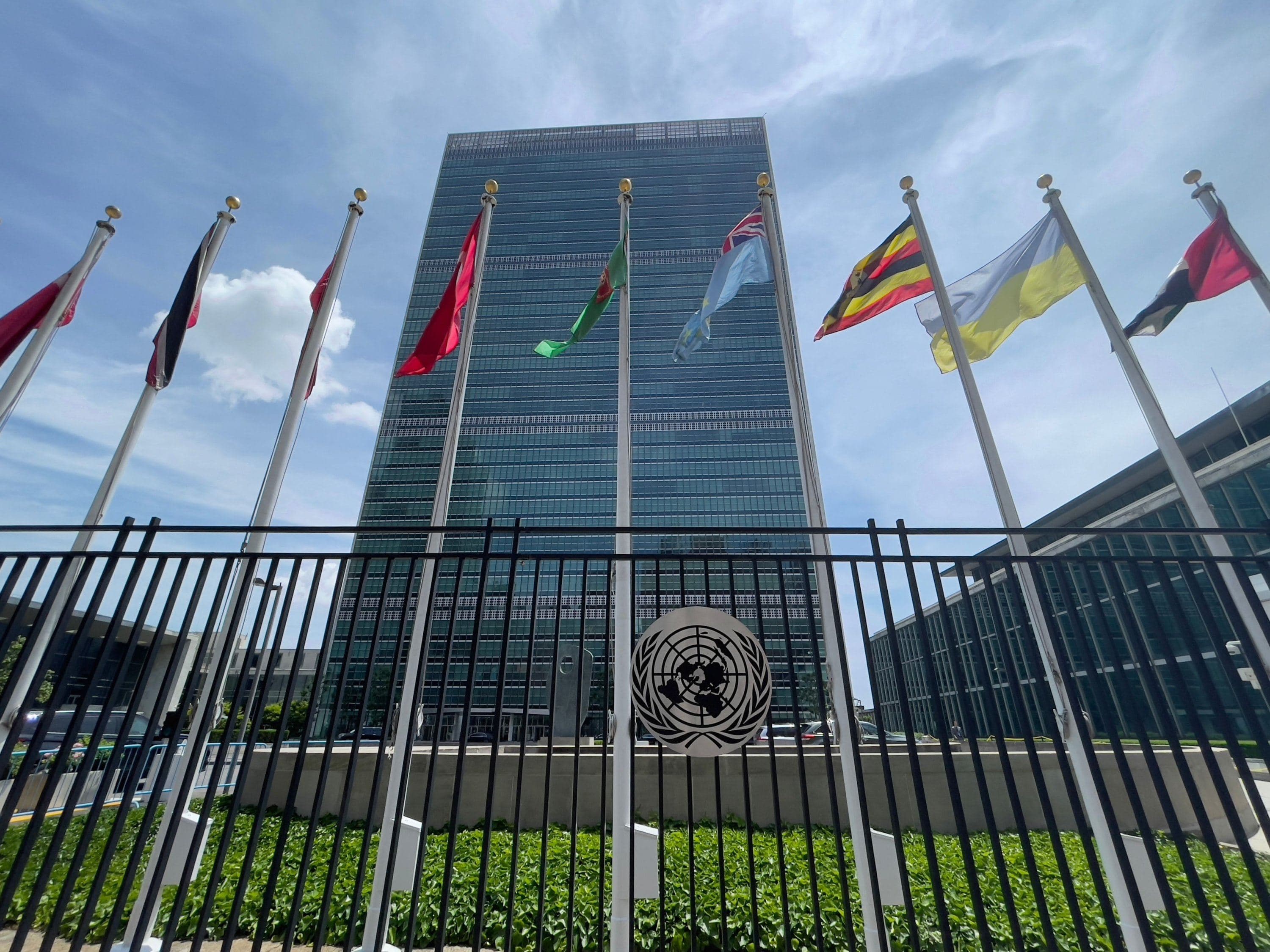
The United Nations will host the Eleventh Review Conference of the Parties to the Treaty on the Non-Proliferation of Nuclear Weapons, or NPT, in New York from April 27 to May 22.
Rudaw has learned that the conference is expected to be attended largely by ministerial-level and other senior officials rather than heads of state, as was the case in the past, reflecting limited expectations for a major breakthrough.
The NPT, which entered into force on March 5, 1970 and has 191 states-parties, is widely seen as the cornerstone of the global nuclear non-proliferation order. India, Israel and Pakistan have never joined the treaty, while North Korea joined and later announced its withdrawal.
The last NPT review conference, in 2022, ended without agreement after Russia blocked consensus over language related to the safety situation at Ukraine’s Zaporizhzhia nuclear power plant.
Diplomats and security analysts have also been grappling with a broader fear: that attacks by nuclear-armed states on non-nuclear states, and doubts about the credibility of security guarantees, could encourage more countries to seek nuclear weapons or expand their arsenals.
Last month, France announced it was intending to increase its nuclear warheads.
“We will no longer communicate the size of our nuclear arsenal," said French President Emmanuel Macron.
Concern has also sharpened over Iran after the recent US-Israeli war, with some analysts and officials warning that military action intended to stop Tehran from acquiring a bomb could instead strengthen arguments for pursuing one.
In March, Russian Foreign Minister Sergei Lavrov said the war risked spurring Iran and Arab states to pursue nuclear arms.
Russia’s invasion of Ukraine has sparked similar fears in Europe, especially as doubts have grown in some capitals about the long-term reliability of US-led security guarantees.