ERBIL, Kurdistan Region - The experience of preserving the memory of genocide at Auschwitz-Birkenau offers important lessons for the Kurdistan Region, where much of the documentation of past atrocities remains fragmented or at risk of being lost, according to the Kurdistan Regional Government’s (KRG) representative in Poland.
During World War II, hundreds of thousands of people were transported by train to Auschwitz, including Jews, Roma, Soviet prisoners of war, and members of the Polish resistance. Regardless of nationality or background, most were subjected to systematic killing through gas chambers, executions, or starvation. Around 1.1 million people are believed to have perished at the camp, with a majority being Jews.
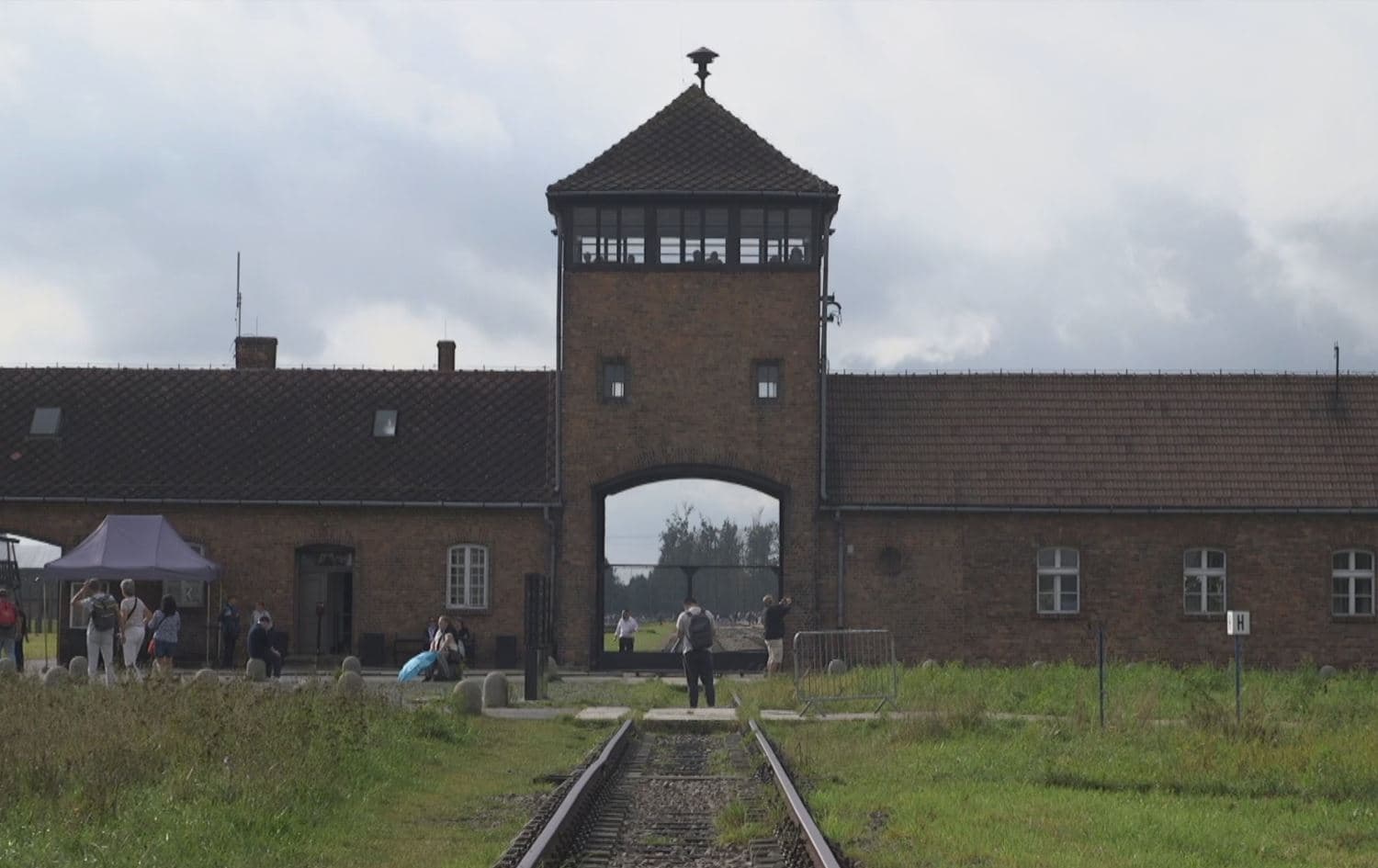
Today, Auschwitz functions as a vast museum and educational institution that documents the lives and deaths of its victims. The site contains national exhibitions for several European countries and a dedicated section for Roma victims, reflecting an effort to acknowledge each affected community. Jews, along with Sinti and Roma, were among those deported to the camp.
Beyond its role as a memorial, Auschwitz operates as an educational center aimed at preventing the repetition of genocide. Its programs target a wide range of social groups and are designed primarily for visitors aged 14 and older, emphasizing understanding and reflection rather than symbolic visits.
The museum, established in 1947 at the initiative of former prisoners, was designed to preserve victims’ belongings, archive historical records, and provide resources for education, research, and filmmaking. Personal items such as shoes, suitcases, and everyday objects are displayed to convey the scale of loss and the individuality of each victim.
Ziad Raouf, the KRG representative in Poland, told Rudaw in an interview at the Museum that Poland has succeeded in transforming a tragic past into a foundation for education and reconciliation. He pointed to the use of modern technology, research centers, and conference facilities to communicate historical facts to younger generations in an accessible way.
Raouf contrasted this with the situation in the Kurdistan Region, where documentation of genocides such as Anfal and Halabja remains incomplete. He warned that many records and testimonies are either missing or vulnerable to deterioration, limiting their use in education and international advocacy.
According to Raouf, Polish institutions and experts have repeatedly expressed readiness to assist Kurdistan in archiving genocide-related materials and developing educational frameworks. Delegations from the Kurdistan Region, including officials from the Ministry of Martyrs and Anfal Affairs, have previously visited Poland to study its approach. However, he noted that concrete follow-up from Kurdish authorities has yet to materialize, despite the offer remaining open.
Raouf also highlighted Poland’s emphasis on collective responsibility without transferring guilt to future generations. He explained that Polish education does not distinguish between the descendants of victims and perpetrators.
Hemen Abdullah contributed to this report from the Auschwitz-Birkenau State Museum, Oswiecim, Poland.