World
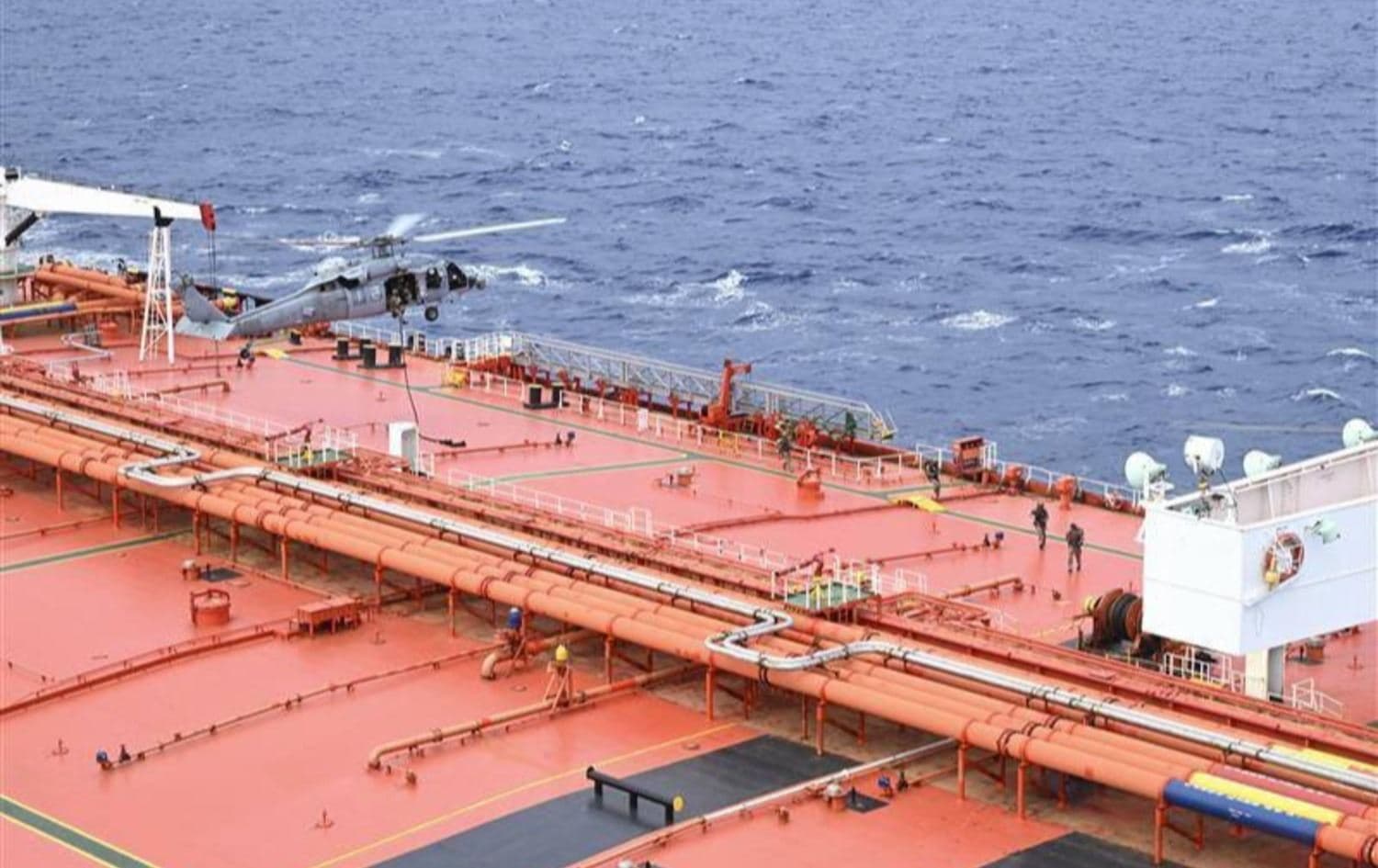
US forces boarding the oil tanker TIFANI in the indian ocean on April 21, 2026. File Photo: Department of War
ERBIL, Kurdistan Region - The United States military on Tuesday said it stopped and boarded a “stateless” vessel headed to Iran, as part of its maritime enforcement campaign against Tehran, as a ceasefire between the two countries is set to expire on Wednesday.
“Overnight, U.S. forces conducted a right-of-visit, maritime interdiction and boarding of the stateless sanctioned M/T Tifani without incident in the INDOPACOM area of responsibility,” the US military said.
The US Indo-Pacific Command (INDOPACOM) oversees operations across the Indian and Pacific oceans and surrounding regions, rather than the Persian Gulf or the Strait of Hormuz, which fall under US Central Command (CENTCOM).
The move comes as both sides continue escalatory actions despite a two-week ceasefire between Washington and Tehran that ended nearly six weeks of war triggered by a US and Israeli military campaign against Iran.
On April 13, Washington imposed a naval blockade on vessels traveling to and from Iran. The US military said Sunday it has turned around nearly two dozen ships. In response, Iran continued restrictions on the strategic waterway, through which roughly one-fifth of global energy supplies pass.
The department said in its Tuesday statement, “we will pursue global maritime enforcement efforts to disrupt illicit networks and interdict sanctioned vessels providing material support to Iran—anywhere they operate.”
US President Donald Trump said in a social media post on Tuesday that Tehran has violated the ceasefire “numerous” times.
US and Iranian officials have since exchanged threats over the future of talks, with Tehran saying it will not negotiate under pressure.
“Overnight, U.S. forces conducted a right-of-visit, maritime interdiction and boarding of the stateless sanctioned M/T Tifani without incident in the INDOPACOM area of responsibility,” the US military said.
The US Indo-Pacific Command (INDOPACOM) oversees operations across the Indian and Pacific oceans and surrounding regions, rather than the Persian Gulf or the Strait of Hormuz, which fall under US Central Command (CENTCOM).
The move comes as both sides continue escalatory actions despite a two-week ceasefire between Washington and Tehran that ended nearly six weeks of war triggered by a US and Israeli military campaign against Iran.
On April 13, Washington imposed a naval blockade on vessels traveling to and from Iran. The US military said Sunday it has turned around nearly two dozen ships. In response, Iran continued restrictions on the strategic waterway, through which roughly one-fifth of global energy supplies pass.
The department said in its Tuesday statement, “we will pursue global maritime enforcement efforts to disrupt illicit networks and interdict sanctioned vessels providing material support to Iran—anywhere they operate.”
US President Donald Trump said in a social media post on Tuesday that Tehran has violated the ceasefire “numerous” times.
US and Iranian officials have since exchanged threats over the future of talks, with Tehran saying it will not negotiate under pressure.
Comments
Rudaw moderates all comments submitted on our website. We welcome comments which are relevant to the article and encourage further discussion about the issues that matter to you. We also welcome constructive criticism about Rudaw.
To be approved for publication, however, your comments must meet our community guidelines.
We will not tolerate the following: profanity, threats, personal attacks, vulgarity, abuse (such as sexism, racism, homophobia or xenophobia), or commercial or personal promotion.
Comments that do not meet our guidelines will be rejected. Comments are not edited – they are either approved or rejected.
Post a comment