


World

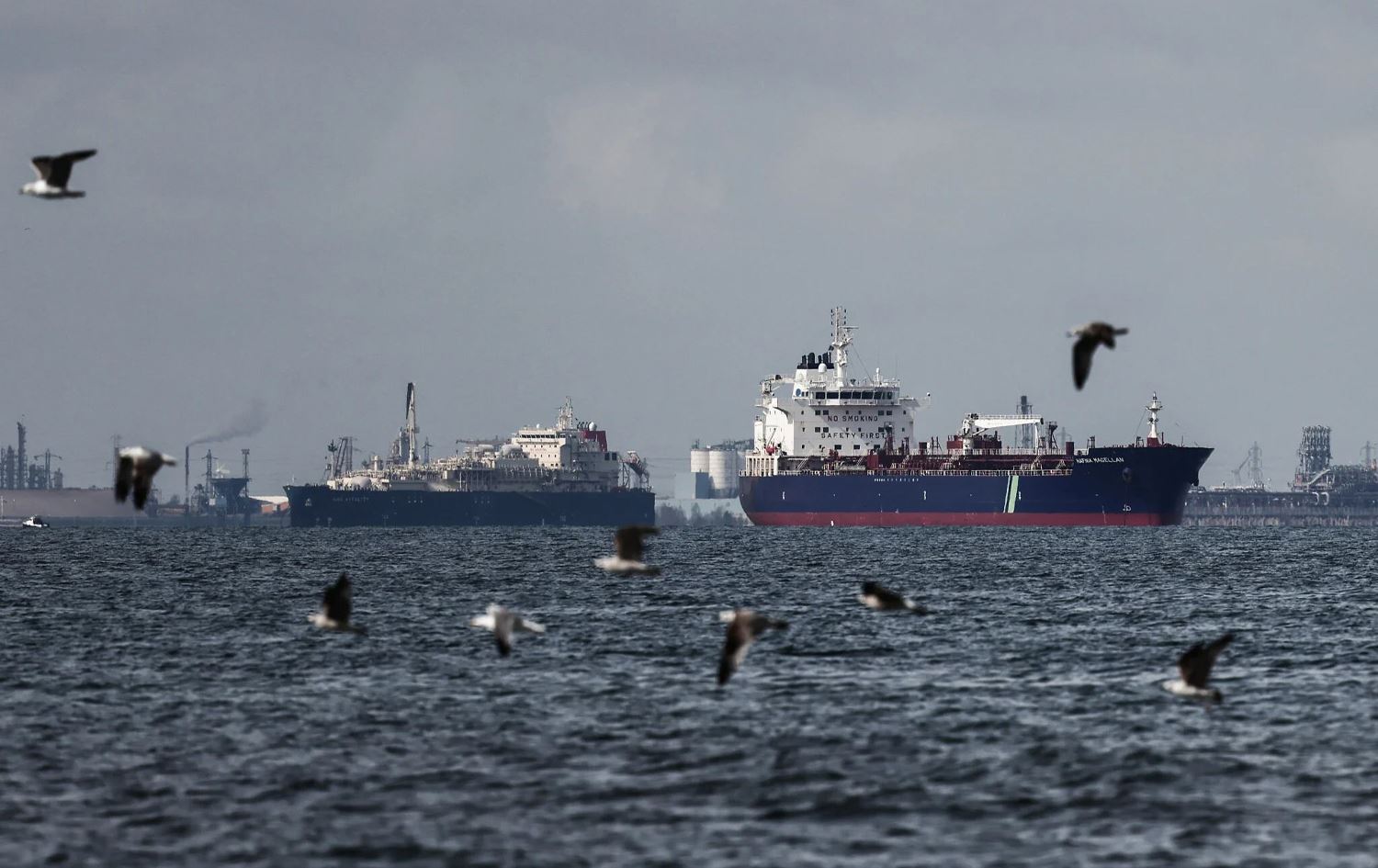
Smoke rising from a Thai bulk carrier near the Strait of Hormuz after an attack on March 11, 2026. Photo: AFP
ERBIL, Kurdistan Region - The head of the International Energy Agency (IEA) warned Monday that the global economy faces a “major threat” amid soaring oil and gas prices as Iran continues to blockade the strategic Strait of Hormuz on the Persian Gulf.
"The global economy is facing a major, major threat today, and I very much hope that this issue will be resolved as soon as possible," IEA head Fatih Birol said in an address to Australia's National Press Club.
Oil prices have surged since February 28, when the US and Israel launched an extensive aerial bombing campaign across Iran, striking thousands of mostly military targets. Iran responded by closing the Strait of Hormuz, which carries roughly 20 percent of the world’s oil and liquefied natural gas supplies.
"This crisis, as things stand, is now two oil crises and one gas crash put all together," Birol said, comparing the current situation to oil shocks in the 1970s and the fallout from the Russia-Ukraine conflict.
A series of Iranian strikes since early March on Qatar’s Ras Laffan Industrial City - the world’s largest liquefied natural gas (LNG) facility - have also caused gas shortages and rising prices.
"No country will be immune to the effects of this crisis if it continues to go in this direction. So there is a need for global efforts," Birol said in his address.
Iranian state media on Monday continued to display their belligerent message on the Strait, calling the Islamic Revolutionary Guard Corps (IRGC) the “lord of the Hormuz,” a reference to the IRGC navy imposing a $2 million levy on ships crossing the Strait.
US President Donald Trump on Saturday gave an ultimatum to Tehran to open the strait, warning that the US “will hit and obliterate” Iran’s power plants - starting with the largest - if it does not fully reopen the chokepoint within 48 hours. Iran’s spokesperson for the Khatam al-Anbiya Central Headquarters responded within hours, threatening to strike US energy infrastructure across the region.
"The single most important solution to this problem is opening the Hormuz Strait,” the IEA chief added.
Iran has said it has effectively shut the strait, allowing only a limited number of ships from non-hostile countries to pass. Around 3,000 vessels pass through the waterway each month in peacetime, with Iran striking around 21 ships in the process, according to an AFP tally published on March 18.
The IEA said its member states agreed on March 11 to release a record 400 million barrels of oil from strategic stockpiles to counter the spike in global crude prices, representing about 20 percent of overall stocks.


Comments
Rudaw moderates all comments submitted on our website. We welcome comments which are relevant to the article and encourage further discussion about the issues that matter to you. We also welcome constructive criticism about Rudaw.
To be approved for publication, however, your comments must meet our community guidelines.
We will not tolerate the following: profanity, threats, personal attacks, vulgarity, abuse (such as sexism, racism, homophobia or xenophobia), or commercial or personal promotion.
Comments that do not meet our guidelines will be rejected. Comments are not edited – they are either approved or rejected.
Post a comment