


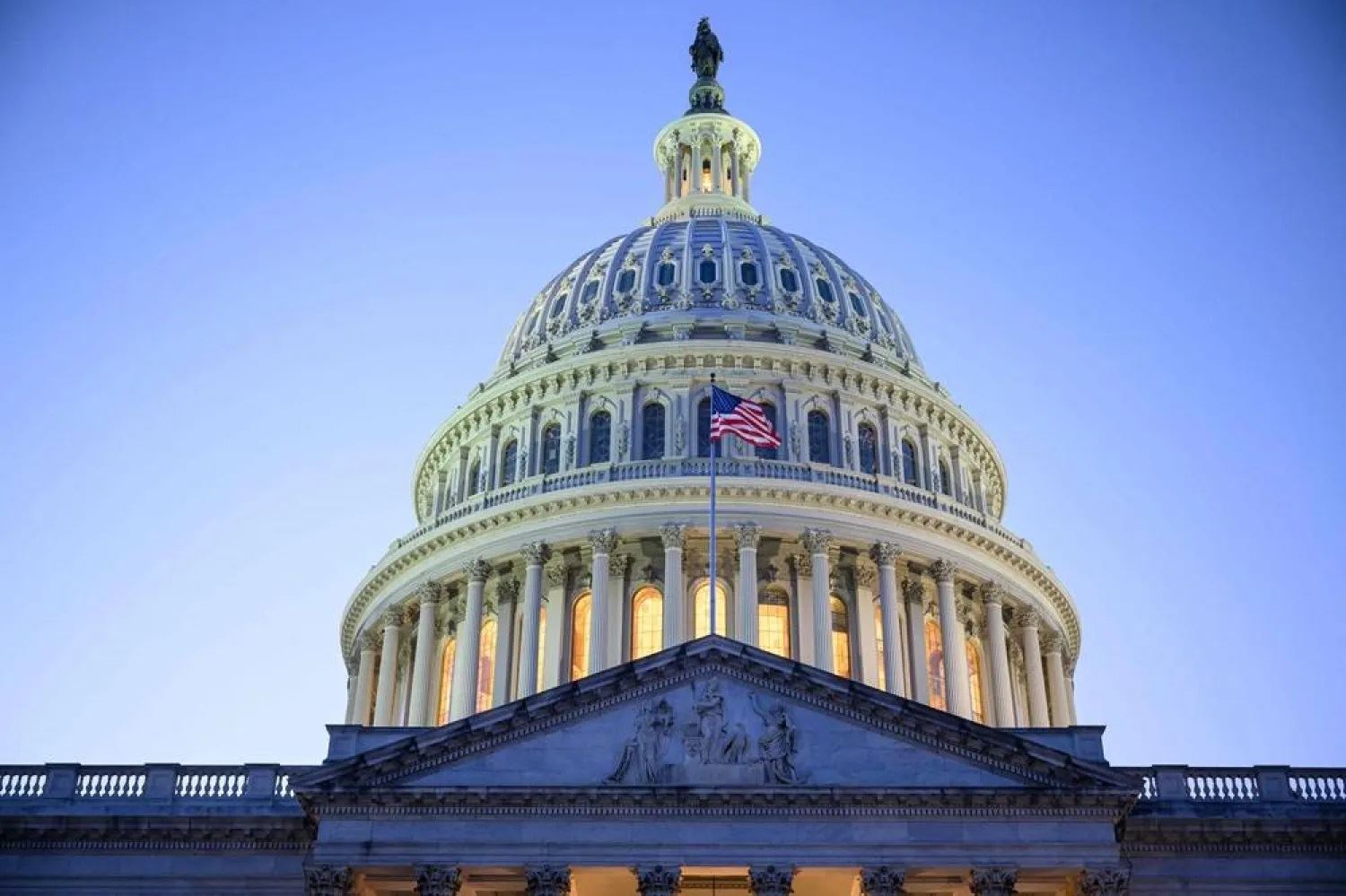
WASHINGTON DC – A ceasefire between Iran and Israel took effect Tuesday, following ten days of escalating hostilities that included direct military strikes on Iranian nuclear targets by the United States. In Washington, the developments have sparked a partisan debate with Republicans backing President Donald Trump’s “peace through strength” approach, while Democrats call for diplomacy and greater congressional oversight.
Tensions between Israel and Iran began on June 13, when Israeli airstrikes inside Iran killed senior military commanders and nuclear scientists. Iran responded with missile and drone barrages targeting Israel.
The situation further escalated when the US launched strikes on Sunday against three key Iranian nuclear sites - Fordow, Isfahan, and Natanz. Tehran retaliated the next day with a ballistic missile attack on al-Udeid Air Base in Qatar, the largest US military installation in the region.
Speaking to Rudaw on Tuesday, Republican Congressman Dan Meuser of Pennsylvania strongly endorsed the Trump administration’s handling of the crisis. He praised the Abraham Accords as “worthy of a Nobel Peace Prize,” adding that Trump “was deserving of it.”
The Abraham Accords are a series of normalization agreements between Israel and several Arab countries - beginning with the United Arab Emirates and Bahrain in 2020 - brokered by the US under Trump’s first term in office. These accords established formal ties in areas like diplomacy, security and trade.
Calling Iran “the worst country on earth,” Meuser backed the administration’s “peace through strength” philosophy and defended the recent US strikes on Iranian nuclear facilities. “We were right in bombing their nuclear reactors because they were trying to develop a nuclear bomb,” he said.
Looking ahead, Meuser urged an uncompromising stance in any negotiations with Tehran. “We should very simply lay out whatever is even close to fair for Iran and demand they abide by it,” he said, emphasizing key demands such as ending terrorism funding and halting nuclear development. He warned that further military action may be necessary if Iran fails to comply. “That will happen again,” he cautioned, referring to the strikes.
Echoing Meuser’s views, Republican Congressman Greg Murphy of North Carolina strongly defended President Trump’s military actions against Iran and expressed cautious optimism about the ceasefire between Israel and Iran.
Murphy underscored the need to neutralize Iran’s nuclear program, stating, “Iran needed to have its nuclear program eliminated because we cannot trust them. I feel they would have used a nuclear weapon for nefarious purposes.”
Addressing concerns over the lack of congressional authorization for the strikes, Murphy argued that Trump “did not need authorization from Congress,” citing historical precedent. He claimed that involving Congress could have risked operational security due to potential leaks.
“Sometimes you have to bite off the head of the snake to kill it,” he said, defending the swift action.
Republican Congressman Ralph Norman of South Carolina also offered staunch support for Trump's approach to Middle East stability. A prominent voice within the conservative camp, Norman asserted that Trump's actions have made "the world safer. Israel is safer."
Justifying the US strikes on Iran’s nuclear facilities, he described Iran as “the number one sponsor of terror,” adding, “I don’t know how many more times they had to say ‘Death to America.’ So it was a great day for the world, a great day for America.”
Norman also backed calls for Trump to receive the Nobel Peace Prize, praising the former president’s “courage to do what he did.” On future negotiations, he insisted any deal with Iran must include enforceable metrics such as inspections. “If they think after this they can go back to enriching uranium and building a nuclear weapon, that’s not going to work,” Norman warned.
In contrast, Democratic Congressman Vicente Gonzalez of Texas called for a more measured, diplomatic approach. He criticized the Trump administration for bypassing Congress before taking military action. “I believe the President should have come to the United States Congress to get authorization for any kind of military strikes,” Gonzalez said. “I hope that any future strikes go through Congress.”
Gonzalez also emphasized the importance of diplomacy in resolving tensions with Iran. “We need to find a diplomatic solution,” he said, calling for a regional peace process involving Iran, Israel, and other stakeholders. Asked whether the ceasefire could pave the way for nuclear negotiations, Gonzalez was cautious. “I don’t know. I hope so,” he said, suggesting that a neutral third-party country might be needed to mediate a lasting agreement.


Comments
Rudaw moderates all comments submitted on our website. We welcome comments which are relevant to the article and encourage further discussion about the issues that matter to you. We also welcome constructive criticism about Rudaw.
To be approved for publication, however, your comments must meet our community guidelines.
We will not tolerate the following: profanity, threats, personal attacks, vulgarity, abuse (such as sexism, racism, homophobia or xenophobia), or commercial or personal promotion.
Comments that do not meet our guidelines will be rejected. Comments are not edited – they are either approved or rejected.
Post a comment