


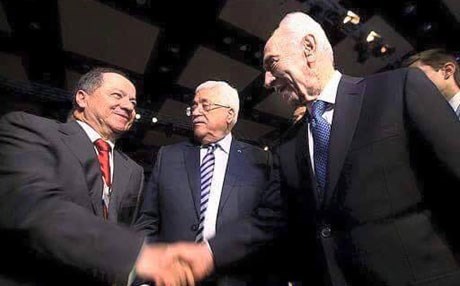
ERBIL, Kurdistan Region – Two years before his death overnight Tuesday at age 93, elderly Israeli statesman Shimon Peres had commented that Iraq’s Kurds had created their own “de facto” state in northern Iraq.
Peres, who shared a Nobel Prize in 1994 for forging ties between Israel and the Palestinians, had suffered a massive stroke two weeks ago from which he never recovered.
Born on August 2, 1923 in Wisniew, Poland, the statesman spent decades of his life in Israeli politics, serving in top leadership posts that included president and prime minister, a post he held three times.
During his 50 years in politics, he also served as defense minister.
In 2014, when Israel was advising the United States that Kurdish independence in northern Iraq was a "foregone conclusion" and Israeli experts were predicting the Jewish state might be among the first to recognize an independent Kurdish state, Peres publicly spoke out in favor of the Kurds, praising their “democracy.”
"The Kurds have, de facto, created their own state, which is democratic,” he said in a meeting with US President Barack Obama. “One of the signs of a democracy is the granting of equality to women," he added.
For decades, Israel has enjoyed clandestine ties with the Kurds, who share none of the animosity of Arab nations for the Jewish state.
Israeli cooperation with Iraq’s Kurds reportedly has included military training when the Kurds were fighting Iraqi dictator Saddam Hussein, in exchange for helping the persecuted Jewish community leave Iraq for Israel.
In 2007, Peres became Israel's ninth President, a post he held until retiring from politics two years ago.
Comments
Rudaw moderates all comments submitted on our website. We welcome comments which are relevant to the article and encourage further discussion about the issues that matter to you. We also welcome constructive criticism about Rudaw.
To be approved for publication, however, your comments must meet our community guidelines.
We will not tolerate the following: profanity, threats, personal attacks, vulgarity, abuse (such as sexism, racism, homophobia or xenophobia), or commercial or personal promotion.
Comments that do not meet our guidelines will be rejected. Comments are not edited – they are either approved or rejected.
Post a comment